- By Admin
- Integro
- The invisible cost of 'functional' heating
- 1. Your stack temperatures are climbing while output stalls
- 2. The burner is constantly short-cycling through minor shifts
- 3. The boiler room is warmer than the production floor
- 4. Condensate isn't making it back to the loop
- 5. Your combustion air has gone unchecked for a season
- People also ask
The invisible cost of 'functional' heating
What if your most expensive utility asset is lying to you right now? Walk onto your factory floor. If your industrial heating system isn't triggering alarms, you probably assume it's running fine. But that's a costly mistake.
In my years designing custom thermal systems at Integro Process Heating Solutions, I've seen how "functional" is the enemy of profitable. An average plant loses 10 to 20 percent of its fuel input to unrecovered stack heat and combustion imbalances. Because industrial boilers can consume several times their initial capital cost in fuel every single year, even a minor 5% drop in thermal efficiency quietly drains thousands from your bottom line.
We often focus on total breakdowns, but the real margin killer is this silent, daily drift. If you aren't actively monitoring combustion parameters or upgrading to optimized industrial heaters, you are likely paying to heat excess air instead of your process load. A running burner isn't necessarily an efficient one, and ignoring this distinction is incredibly expensive.
1. Your stack temperatures are climbing while output stalls
The telling sign of soaring flue temperatures
When you monitor your daily logs, a subtle climb in flue gas temperature might seem harmless. But if your process output remains flat,or worse, starts to dip,you are looking at a classic thermal transfer bottleneck. That rising stack temperature is telling you that the energy you paid for is bypassing your process fluid and escaping straight into the atmosphere.
This issue usually tracks back to fouling or mineral scaling inside your industrial heat exchanger. In any heavy-duty industrial heating setup, even a millimeter of mineral scale acts like an insulating blanket. This barrier forces burners to fire longer and hotter to achieve the same thermal output.
At Integro Process Heating Solutions, we frequently see facilities over-firing their systems to compensate for this silent thermal resistance, accelerating equipment wear and inflating fuel bills. Instead of letting that heat escape, deploying a targeted thermal audit or upgrading to precision industrial circulation heaters can help capture and redirect this energy.
Addressing scale before it bakes into a permanent barrier prevents costly tube failures. Doing so keeps your energy bills directly aligned with actual production output, rather than letting valuable British Thermal Units drift away. After all, paying to heat the sky is never a sustainable strategy for a bottom-line-focused facility.
2. The burner is constantly short-cycling through minor shifts
The high cost of constant ignition
Imagine walking onto your production floor and hearing your burner roar to life, fire for forty seconds, shut down, and then repeat this sequence minutes later. This rapid on-off firing, known as short-cycling, is a silent profit killer in many industrial furnaces and boiler setups.
When systems fire up, they consume a massive surge of fuel to establish the flame. If your setup's constantly cycling, you're paying for continuous startup fuel without achieving steady-state industrial heating solutions. While some heavy thermal setups like industrial waste water evaporators require consistent heat inputs, unoptimized controllers on standard burners trigger rapid wear on contactors and heat exchangers.
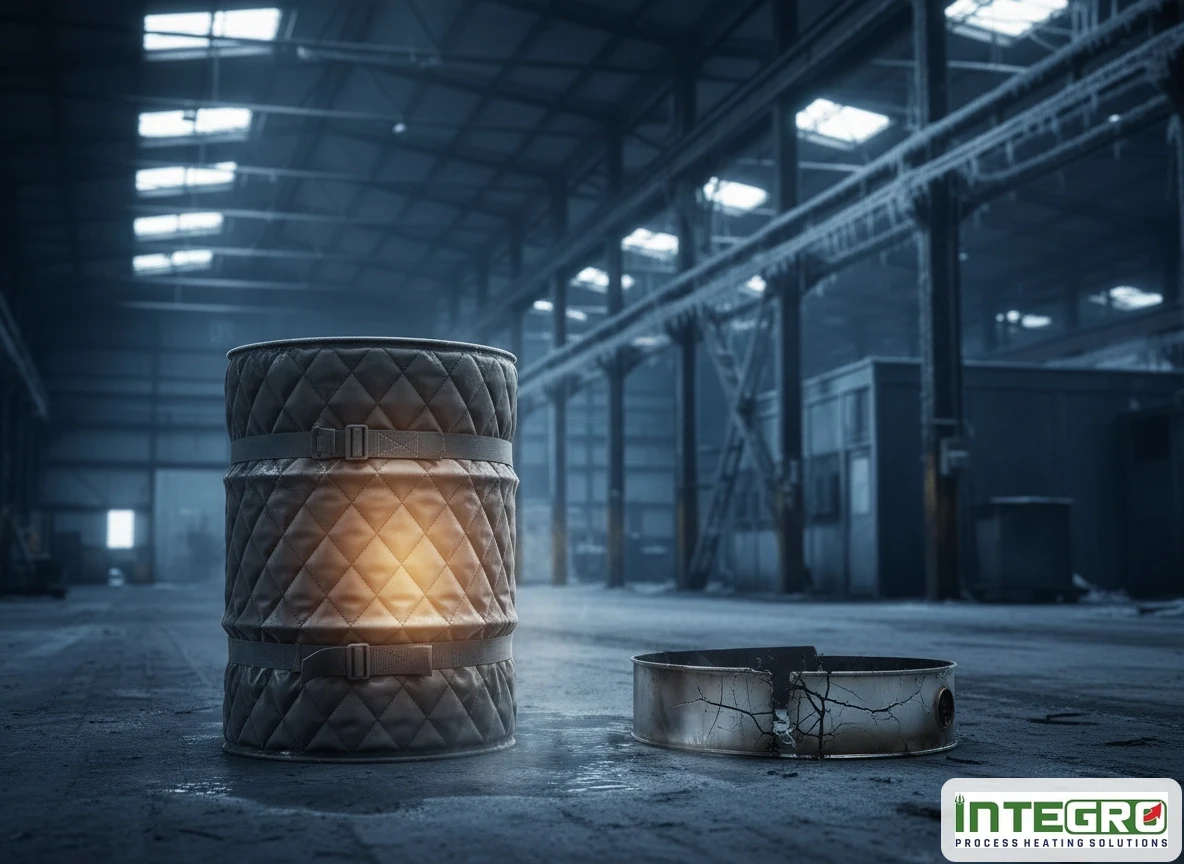
At Integro Process Heating Solutions, we've often found this occurs when a system is oversized or thermal loads are mismatched. For precise fluid heating, upgrading to modulated industrial circulation heaters from trusted manufacturers of industrial circulation heaters or exporters of industrial circulation heaters prevents this cycling. Unlike cycling burners, a properly calibrated industrial immersion heater or specialized industrial drum heaters from reputable suppliers of industrial heaters and exporters of industrial heaters maintains steady temperatures. This targeted thermal control stops the rapid thermal expansion and contraction that cracks refractory linings.
3. The boiler room is warmer than the production floor
Radiant shell losses are stealing your heat
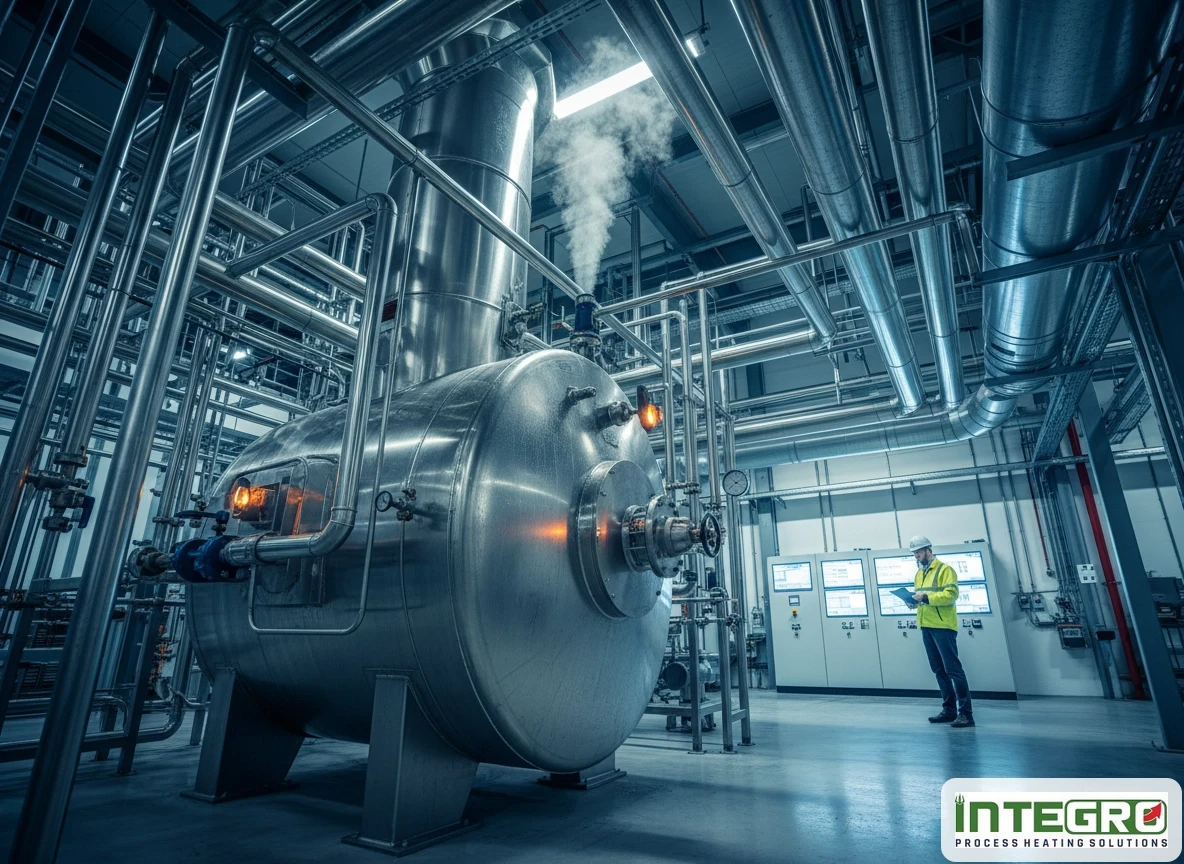
Walk into your boiler room right now. If it feels like a sauna, you are actively hemorrhaging money. This ambient heat is not a harmless byproduct; it is raw energy escaping through failing refractory and degraded vessel insulation.
In efficient industrial boiler systems, thermal energy belongs in your process, not warming empty concrete. Radiant shell losses force your burners to fire longer and harder just to maintain baseline temperatures. This constant overworking quietly but drastically inflates your annual commercial boiler cost.
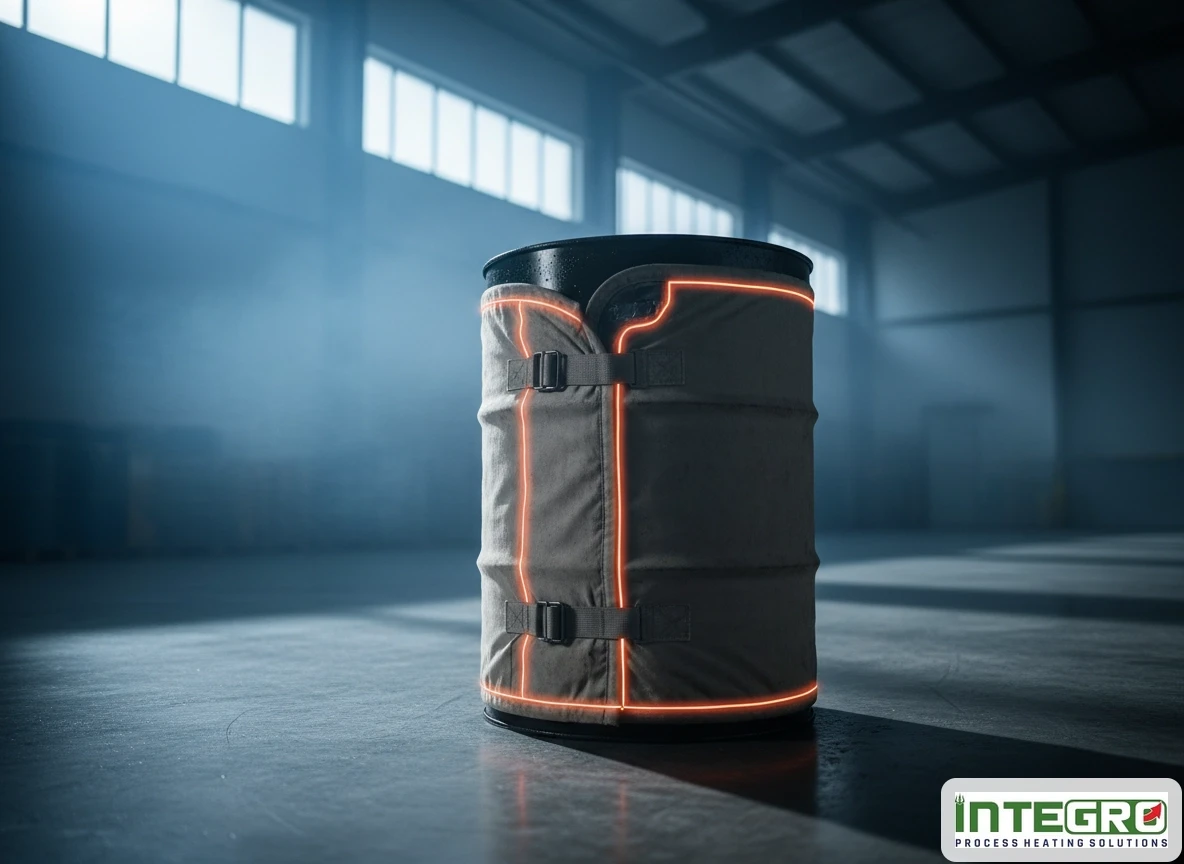
We see this issue constantly when auditing facilities. Poor insulation on heavy-duty equipment like industrial waste water evaporators turns your plant floor into a massive radiator. To prevent this, sourcing from dedicated manufacturers of industrial drum heaters ensures thermal energy stays strictly confined to the product.
For direct process fluids, partnering with premium industrial immersion heater suppliers provides localized, highly efficient heat transfer. Utilizing properly insulated industrial immersion heaters eliminates the radiant waste common in poorly managed, uninsulated central steam loops. Stop paying to heat your ceiling.
4. Condensate isn't making it back to the loop
Plant data reveals that roughly 15 to 20 percent of recoverable thermal energy is routinely abandoned in unreturned condensate. When steam traps fail open or return lines clog, hot liquid sits idle rather than cycling back to the deaerator. Your industrial hot water system suddenly relies on cold makeup water at 50 degrees Fahrenheit instead of pre-heated water at 180 degrees. The boiler burns massive quantities of extra fuel simply to bridge that thermal deficit. Upgrading your infrastructure with engineered heating solutions often helps stabilise fluid temperatures across secondary loops. But the core culprit remains neglected traps bleeding high-pressure steam straight to the drain. We see facilities lose thousands of therms monthly simply because nobody inspects the return manifold under operational load. And that expensive waste compounds every single hour your plant runs. Sometimes the problem stems from localized blockages near industrial waste water evaporators tied into the same utility header. Fixing this drain requires mapping every single trap and measuring return temperatures directly at the header. The math is simple, yet the financial leakage persists quietly in the background.
5. Your combustion air has gone unchecked for a season
The hidden cost of unmanaged draft air
Just as heating cold makeup water drains your energy budget, neglecting your air-to-fuel ratio quietly bleeds cash. It's common for an industrial heating system to run unchecked for a season as mechanical linkages wear. This drift almost always results in excessive draft air.
Instead of achieving clean combustion, your burner starts pulling in far more air than it needs. You're suddenly paying to heat massive volumes of non-reactive nitrogen and excess oxygen up to operating temperature, only to send it straight up the flue. It's a massive waste of fuel on draft air rather than productive thermal load.
At Integro Process Heating Solutions, we design industrial heating solutions that prioritize draft control. If you run heavy thermal processes, such as industrial waste water evaporators or targeted industrial drum heaters, even a 3% excess oxygen drift can quietly tank your efficiency.
Before scheduling an expensive system overhaul, start with a simple flue gas analysis. A minor burner recalibration is often the fastest, most cost-effective way to stop paying for heated exhaust and get your operational costs back where they belong.
If your facility's utility bills keep creeping up without a clear reason, Integro Process Heating Solutions can help you track down those hidden thermal losses.
People also ask
How do I know if my industrial boiler is wasting fuel?
You'll usually see it in your monthly utility bills before anything else. If your energy consumption stays high while production output drops, you're likely dealing with scale buildup or poor combustion efficiency.
Why does short-cycling happen in industrial heating systems?
It's usually caused by oversized equipment, improper thermostat placement, or restricted flow in the heat exchanger. The system hits its target temperature too fast, shuts down, and immediately loses heat, which burns through extra fuel.
Does a warm boiler room actually mean my system is inefficient?
Yes, absolutely. If the room housing your boiler is noticeably warmer than the rest of the plant, it means heat is escaping through the shell or poor insulation instead of reaching your process.
Can I fix these inefficiencies without replacing the whole heating system?
Most of the time, you don't need a full replacement. Targeted fixes like burner tuning, repairing steam traps, or adding a flue gas economizer will give you a much faster return on investment.