- By Admin
- Integro
- The mystery of the single freezing zone
- Air, pressure, and flow: what goes wrong beneath the surface
- The manifold check: how to isolate the problem room
- When furniture and insulation silently steal your heat
- Hydronic vs electric: why troubleshooting water is a different beast
- Critical diagnostic mistakes to avoid in your mechanical room
- Restoring balance to your home heating
- Frequently Asked Questions
The mystery of the single freezing zone

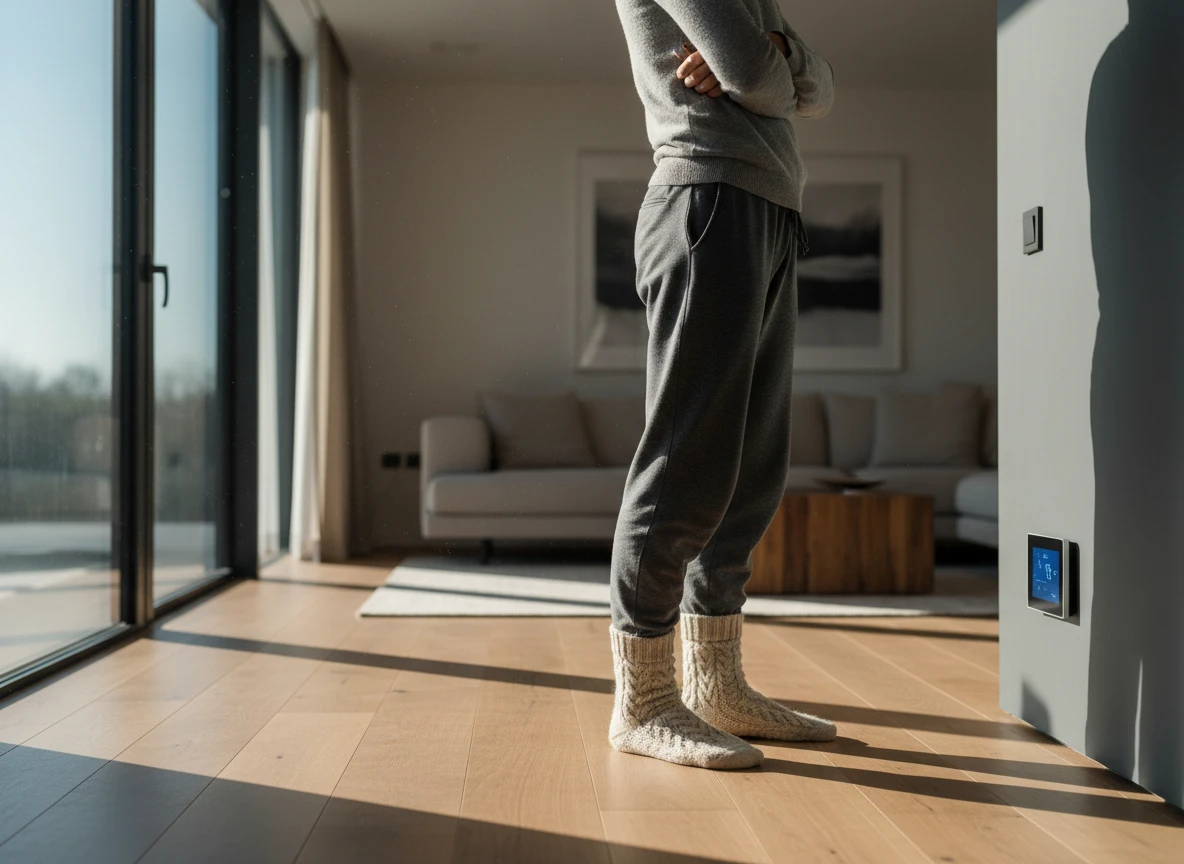
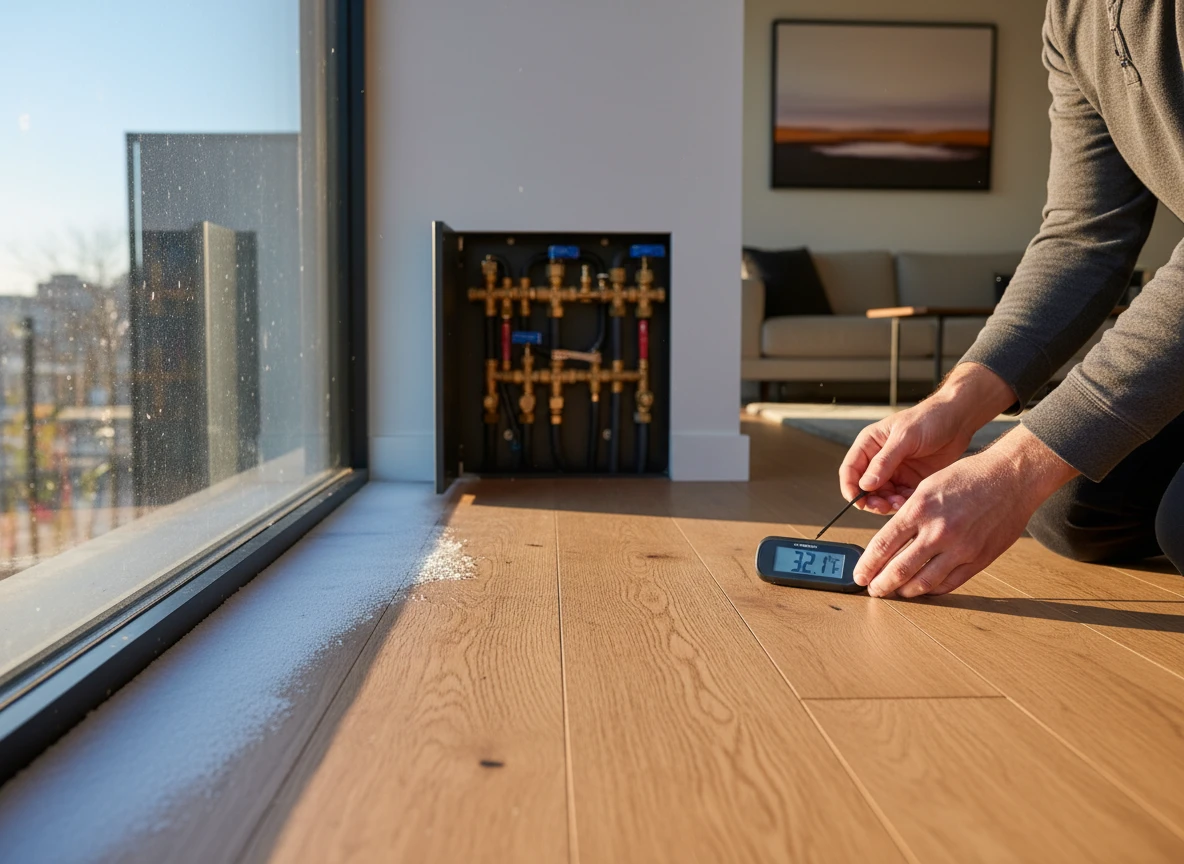
Imagine padding across a warm kitchen floor on a freezing morning, only to step into an icy dead zone right in front of the sink. It's a frustratingly common scenario. You turn up the wall thermostat, but that single patch remains stubbornly cold while the rest of the house feels like a sauna.
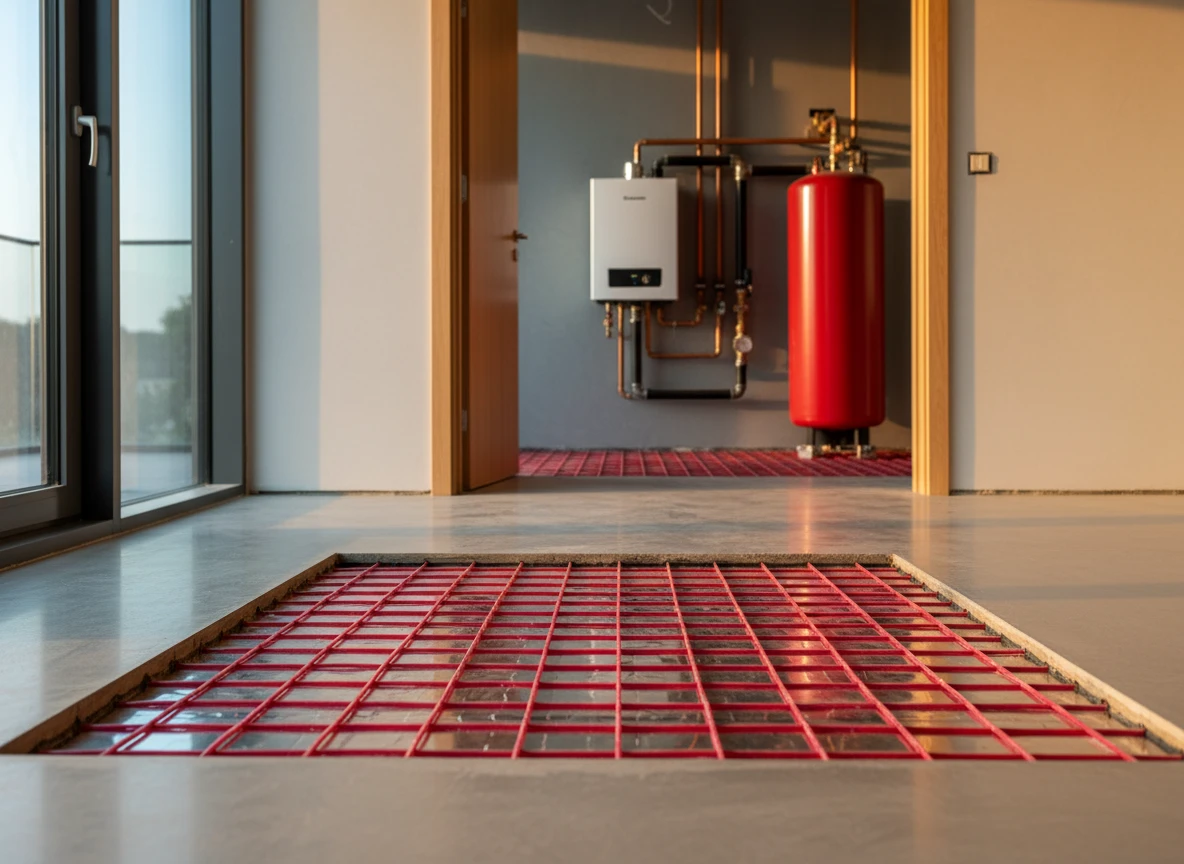
If you were dealing with electric floor heating systems, a localized cold spot would likely point to a severed heating cable. But troubleshooting a hydronic radiant floor heating system requires an entirely different mindset. Here, you aren't just managing electrical resistance; you are balancing fluid dynamics, system pressure, and thermal transfer.
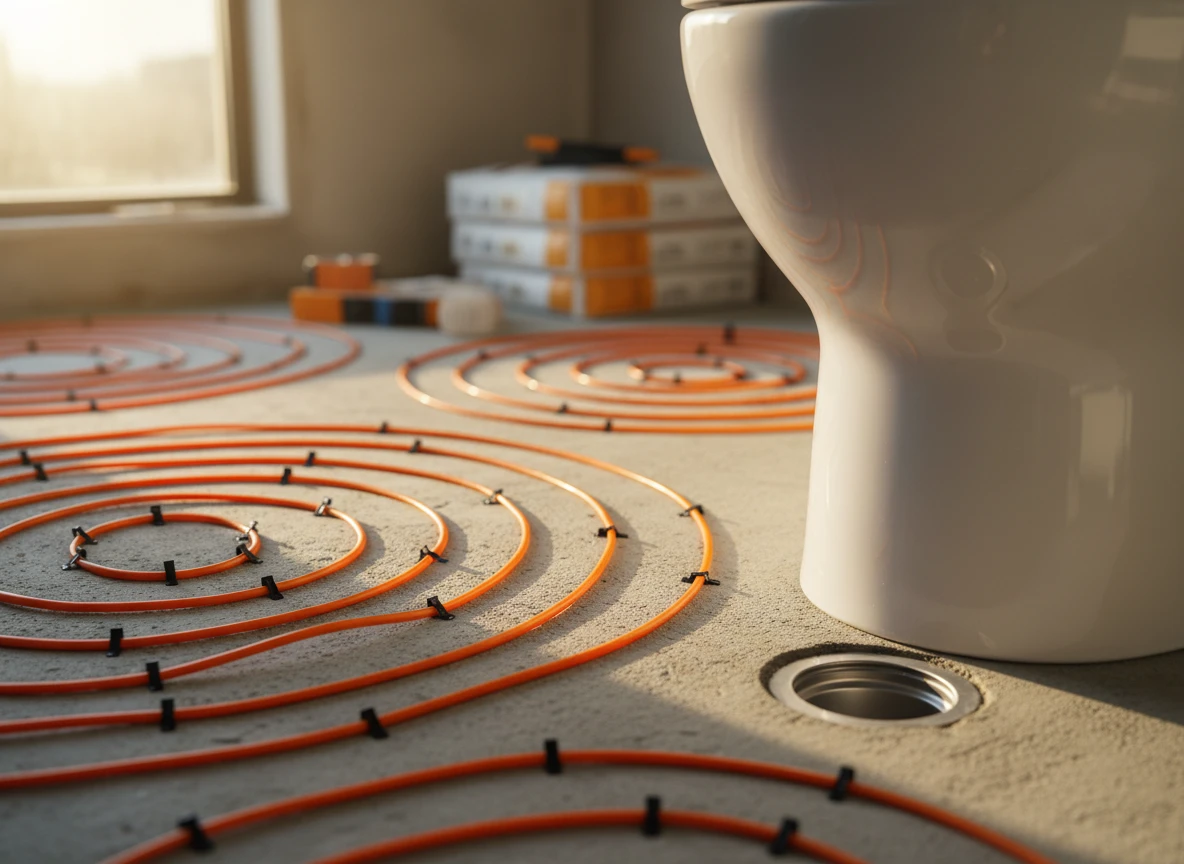
When one loop fails, your immediate instinct might be to blame a broken thermostat. However, the issue is almost always mechanical. A single freezing zone is typically caused by a stubborn airlock trapped inside the PEX tubing, or a stuck zone actuator at the manifold. Over time, even minor mineral buildup can restrict hot water flow by up to 50 percent, choking off the heat.
These hydraulic imbalances are notoriously tricky to diagnose because the rest of your home might feel perfectly comfortable. A boiler can show normal operating pressure even while a single loop is completely starved of flow. This isn't a problem you can solve by simply pushing a button; you have to physically verify that water is moving where it should.
At Integro Process Heating Solutions, we design complex thermal systems, and we know that fluid-based heat behaves predictably,until a minor pressure drop stalls a line. Troubleshooting a high-performance underfloor heating system requires stepping away from the wall dial and checking your manifold valves methodically.
Air, pressure, and flow: what goes wrong beneath the surface
Hydrodynamic realities of closed-loop circuits
When one zone stays freezing cold, look to the fluid dynamics of your closed-loop network. Water is lazy. It always takes the path of least resistance. If a PEX loop has even a minor restriction, the circulator pump just pushes the hot water elsewhere.
Air-binding is the classic culprit here. Trapped air pockets form physical blocks inside the tubing, stopping flow completely. You have to purge the manifold properly during setup, or you'll fight these airlocks forever.
Then there is internal gunk. Over years of operation, magnetite and mineral scale build up inside underfloor heating lines. This sludge coats the inner pipe walls, narrowing the diameter and choking flow rates. Sometimes it cuts flow by half. Designers of any decent underfloor heating system calculate head pressure to overcome normal friction losses, but they don't always plan for this buildup. Older systems often have weak, undersized circulators that simply cannot push water through these restricted channels.
Low static pressure makes everything worse. If system pressure drops, hot water won't reach high loops or far-off rooms. Check the expansion tank charge before you blame the pump. It needs to match the static head requirement.
You also need to look at the balancing valves. If one valve is choked down too much, that loop starves while other rooms get too hot. Don't just guess and fiddle with the main boiler control. Diagnose this systematically: check the pump curves, isolate the cold circuit, and verify that the actuator valve is actually opening fully.
The manifold check: how to isolate the problem room
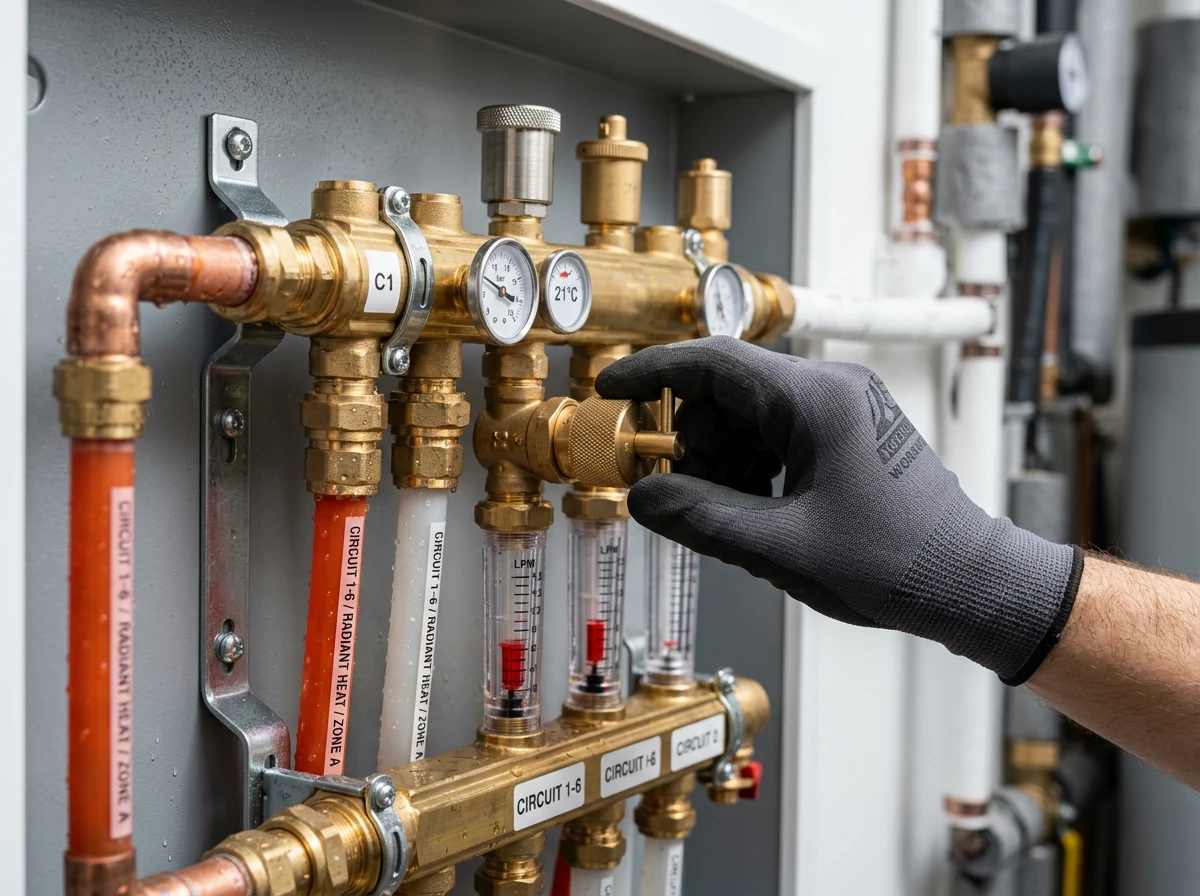
Isolating the dead loop at the manifold
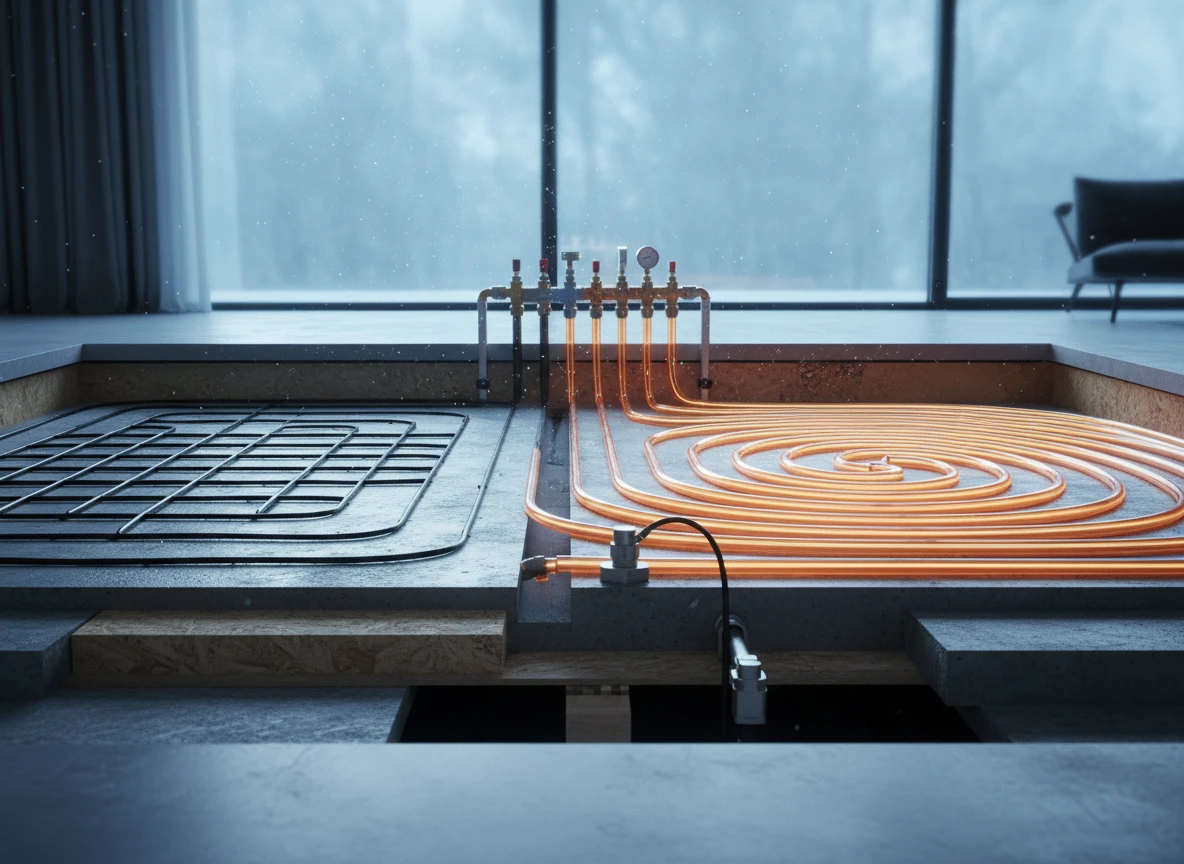
So, you know water isn't moving. Let's head down to the manifold cabinet. It's the control hub for your floor heating systems, and it's exactly where we'll isolate the cold room.
First, find the loop for that cold room. If the installer didn't label the lines, you'll have to play detective. Turn off every single thermostat except the one for the freezing room. Wait about ten minutes. Now, touch the brass manifold bar. Only one loop should feel warm, which is the one feeding your cold room.
What if it's stone-cold? Take a close look at the flow meters. They're those tiny glass cylinders with red indicators. If the red indicator sits flat at zero, you have zero flow. It's a common mechanical blockage we see all the time in both home and commercial setups.
Next up is the thermal actuator. That's the plastic cap sitting right on the return valve. When your thermostat asks for heat, this cap is supposed to slowly open the valve. To check it, unscrew the actuator and look at the small metal pin underneath. If that pin is stuck down, water is blocked. Give it a gentle tap with a wooden handle to pop it free.
If the cold spot is in a bathroom, you might worry about a blocked pipe or a bad layout. But sometimes it's just physics. In residential builds, understanding bathroom floor tile thermal lag helps rule out simple heat transfer issues before you do anything drastic to your underfloor heating systems.
Other times, the loop is just badly balanced. If your manifold uses manual balancing valves, the cold room's loop might simply be choked down too tight. Grab a hex key. Open the valve all the way by turning it counter-clockwise, then back it off half a turn. This quick fix solves a surprising number of hydronic heating troubleshooting issues without a costly service call. It might not fix a deeper issue, but it's the smartest first step.
Don't panic about permanent damage, either. Unlike electric systems, hydronic setups don't suffer from snapped under-floor wires. That means bathroom floor heating repairs are almost always mechanical and usually fixed right at the manifold.
For larger properties, you might need to source parts from reliable hydronic underfloor heating suppliers or talk to hydronic heating system manufacturers. At Integro Process Heating Solutions, we know that precision engineering is what actually solves stubborn thermal problems. Whether you're working with standard home loops or dealing with custom floor heating solutions exporters, taking a methodical approach always gets results.
When furniture and insulation silently steal your heat
Sometimes the manifold is perfectly balanced, yet a specific room stays freezing. The culprit isn't mechanical. It is physical.
When you install an underfloor heating system, you expect energy to radiate upward. But heat always follows the path of least resistance. If the installer skimped on sub-slab insulation, the thermal energy travels downward into the freezing earth. This thermal bridging drains your system's capacity, creating persistent cold floor spots that no mechanical adjustment can fix. At Integro Process Heating Solutions, we analyze thermal efficiency across all applications, and the physics remains identical: without a proper downward barrier, you're heating the soil, not your home.
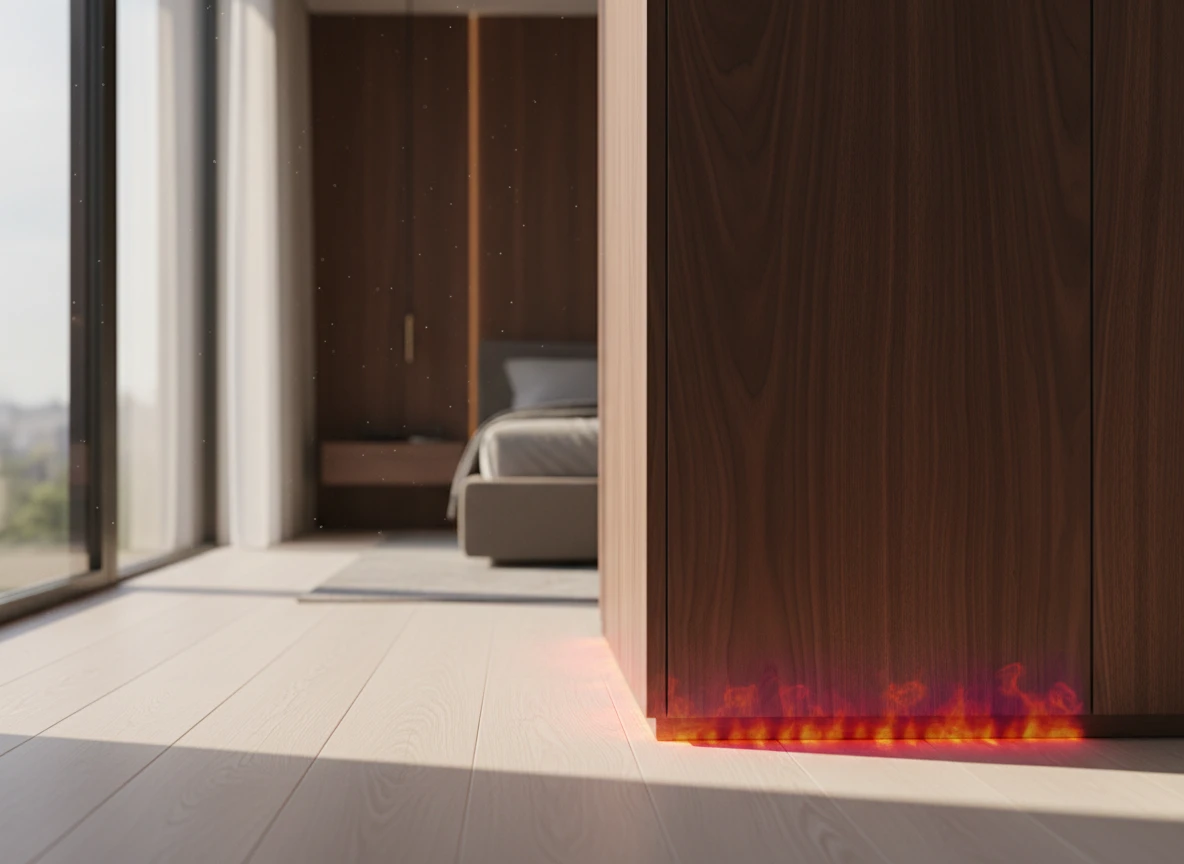
Above the finished floor, furniture and layout choices create similar blockages. Heavy, flat-bottomed dressers or solid-base sofas placed directly over radiant loops act as insulators. They trap heat underneath the wood or fabric rather than letting it circulate. The same thermal bottleneck occurs with plush, rubber-backed area rugs. They choke the heat transfer entirely.
This structural choking explains why some spaces fail to warm up. Choosing the right floor materials is vital. For instance, understanding how thick bathroom floor tile can be highlights how thermal lag limits heat output. Thick carpets or dense wood underlays have high R-values, which resist energy flow, whereas thin ceramic tiles allow quick transfer. Ideally, your total floor covering shouldn't exceed an R-value of 1.5. Anything higher acts as an unwanted barrier.
If you notice localized cold zones, audit your room layout. Swap solid-base furniture for items with raised legs (at least two inches of clearance) to allow air circulation. Replace heavy, insulated carpets with thin, woven rugs designed specifically for underfloor heating. If you must use rugs, ensure they have a low-tog rating to let the warmth penetrate.
But if the problem is a total lack of under-slab insulation, you face a structural design flaw. In these scenarios, you can't simply turn up the boiler. You must either retrofit perimeter insulation or accept lower operating efficiencies. Understanding these non-mechanical barriers is key to finding realistic floor heating solutions.
Hydronic vs electric: why troubleshooting water is a different beast
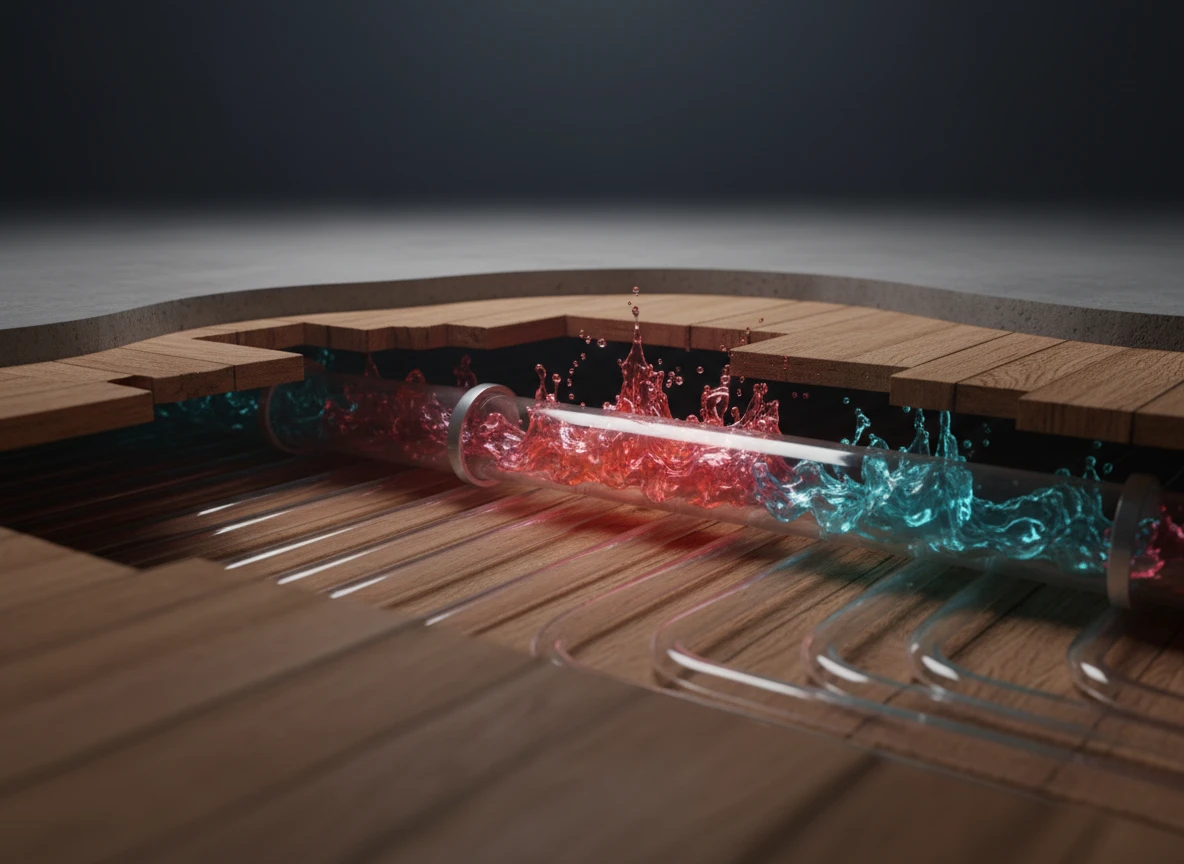
Data shows that while 95% of electrical continuity issues can be pinpointed in under ten minutes with a simple digital multimeter, troubleshooting a cold zone in water-based radiant floor heating systems requires tracking complex fluid dynamics across at least five distinct mechanical parameters. It's the classic difference between a static circuit and dynamic plumbing.
The simple diagnostic path of electric systems
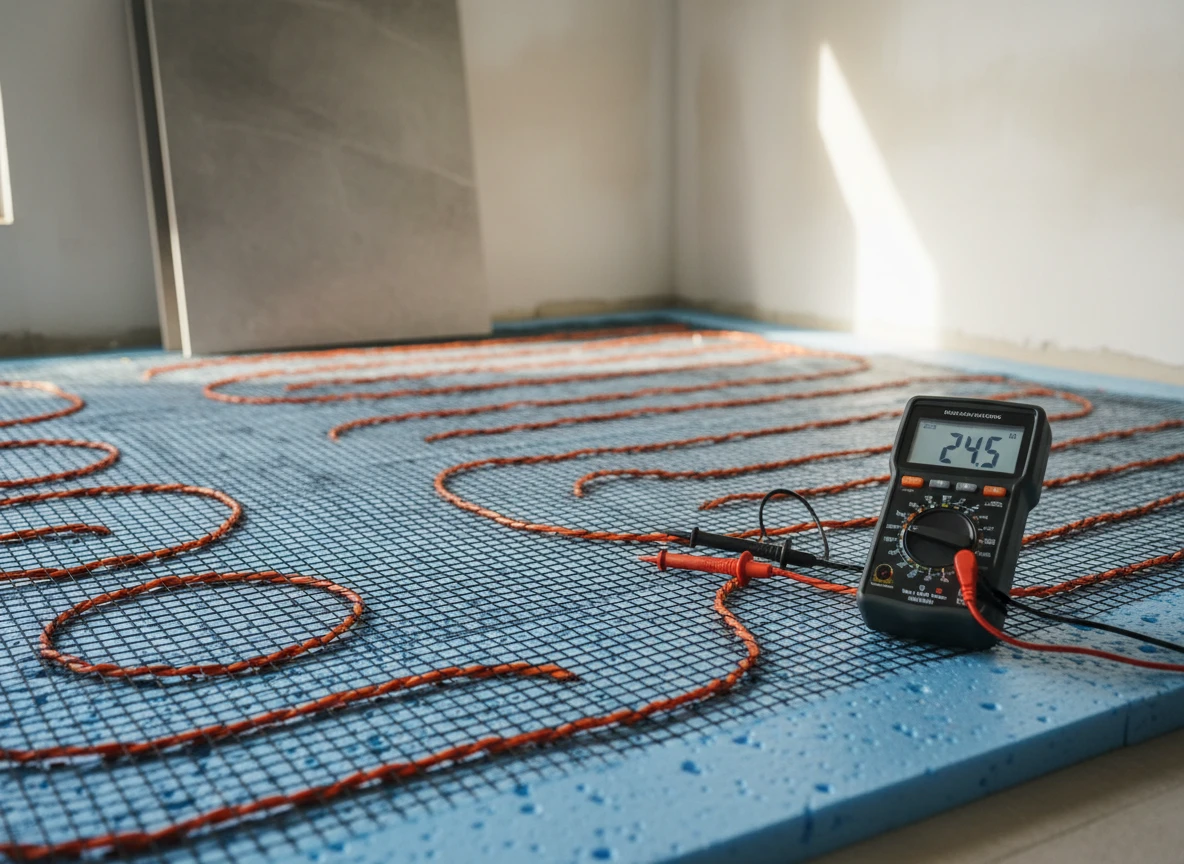
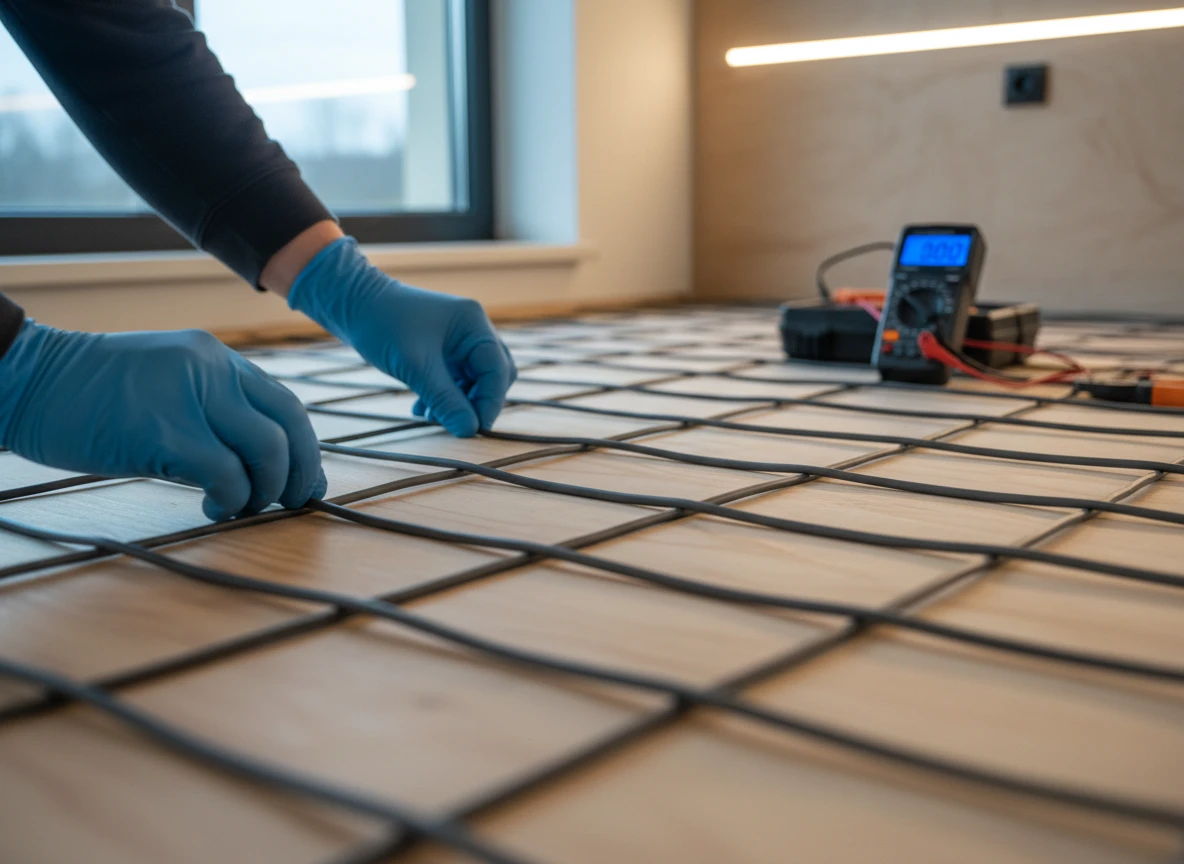
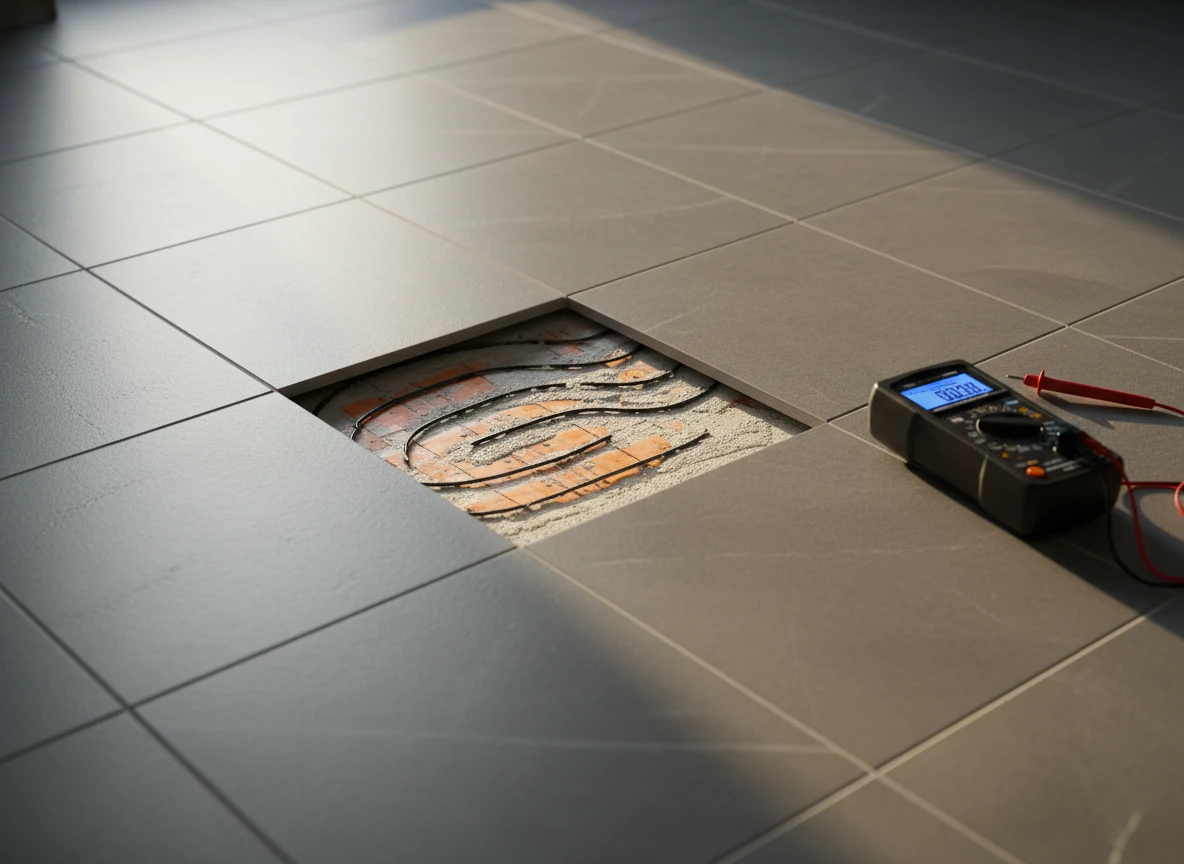
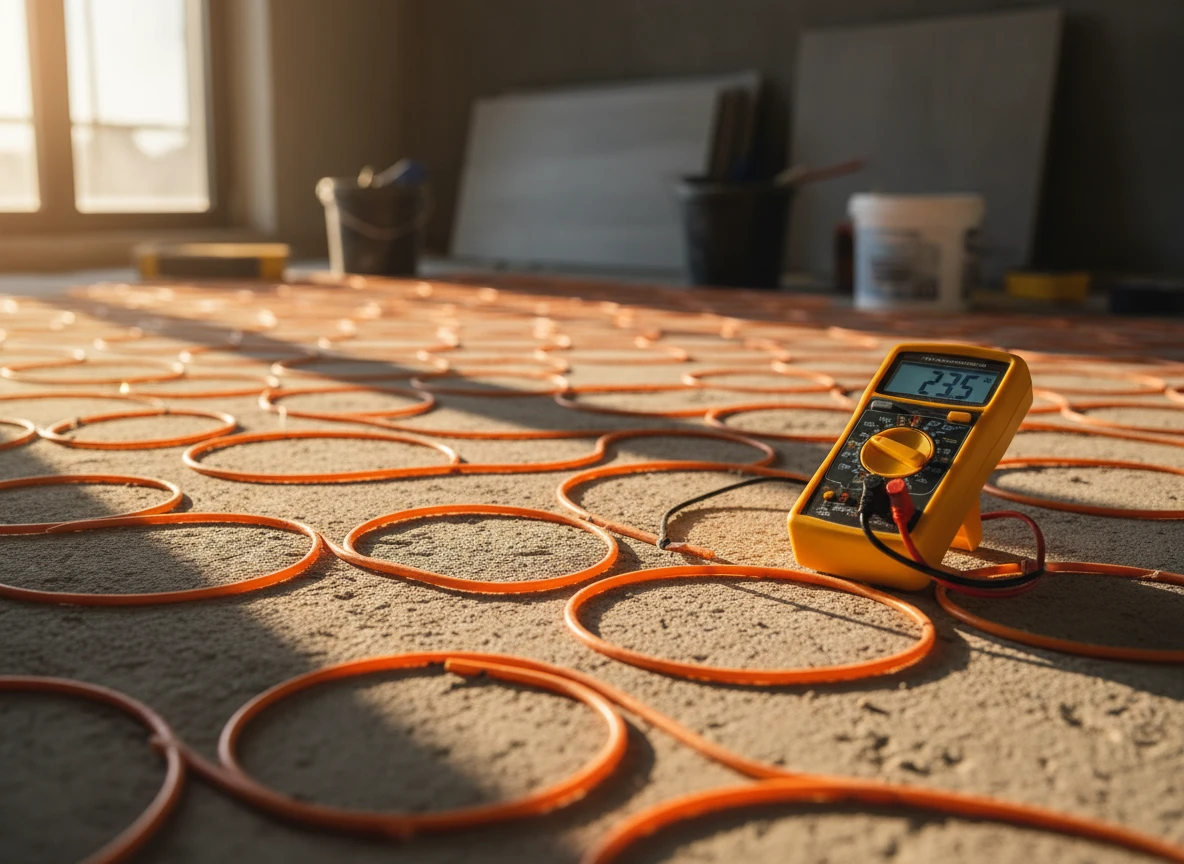
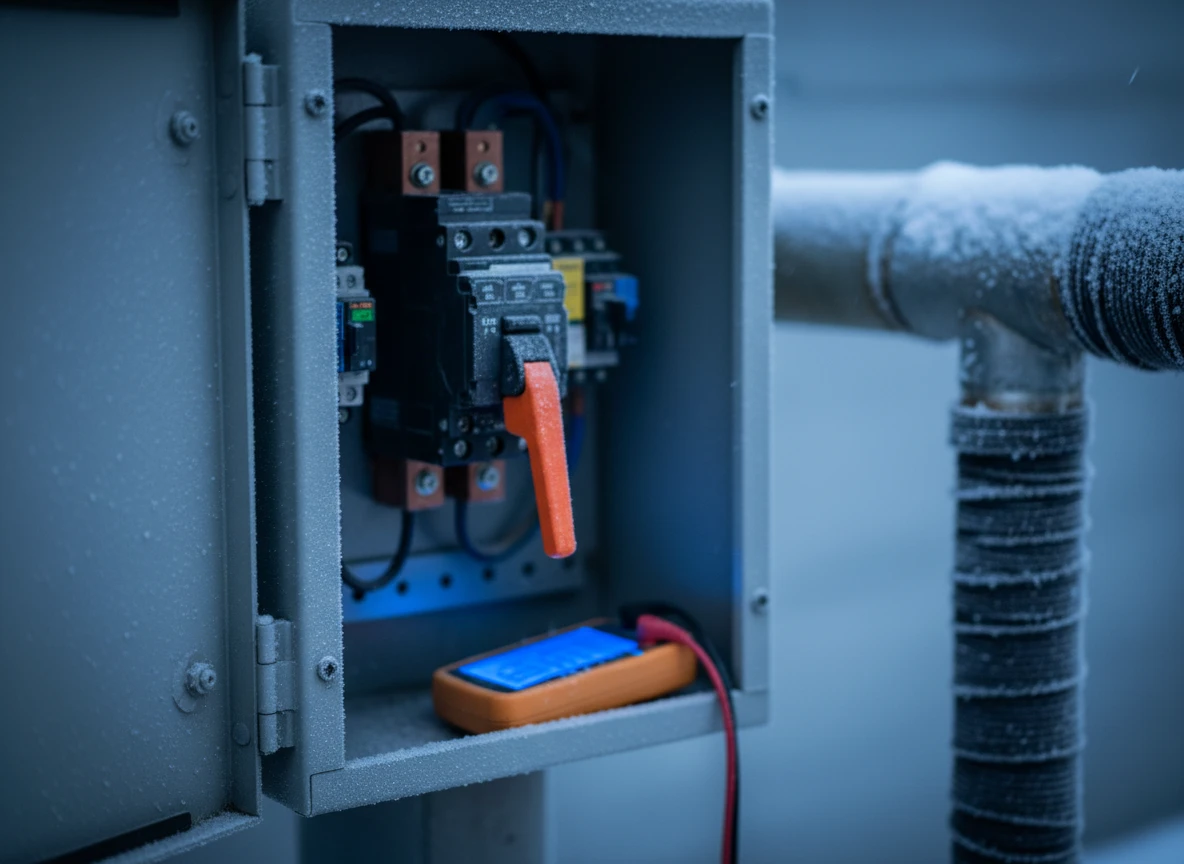
When an electric system fails, the diagnostic tree is relatively straightforward. You're dealing with copper, resistance, and voltage. If a bathroom floor heating zone goes cold, a technician checks the ohm resistance of the heating cable. A deviation from the manufacturer's specified range immediately points to a physical break in the mat or a faulty connection.
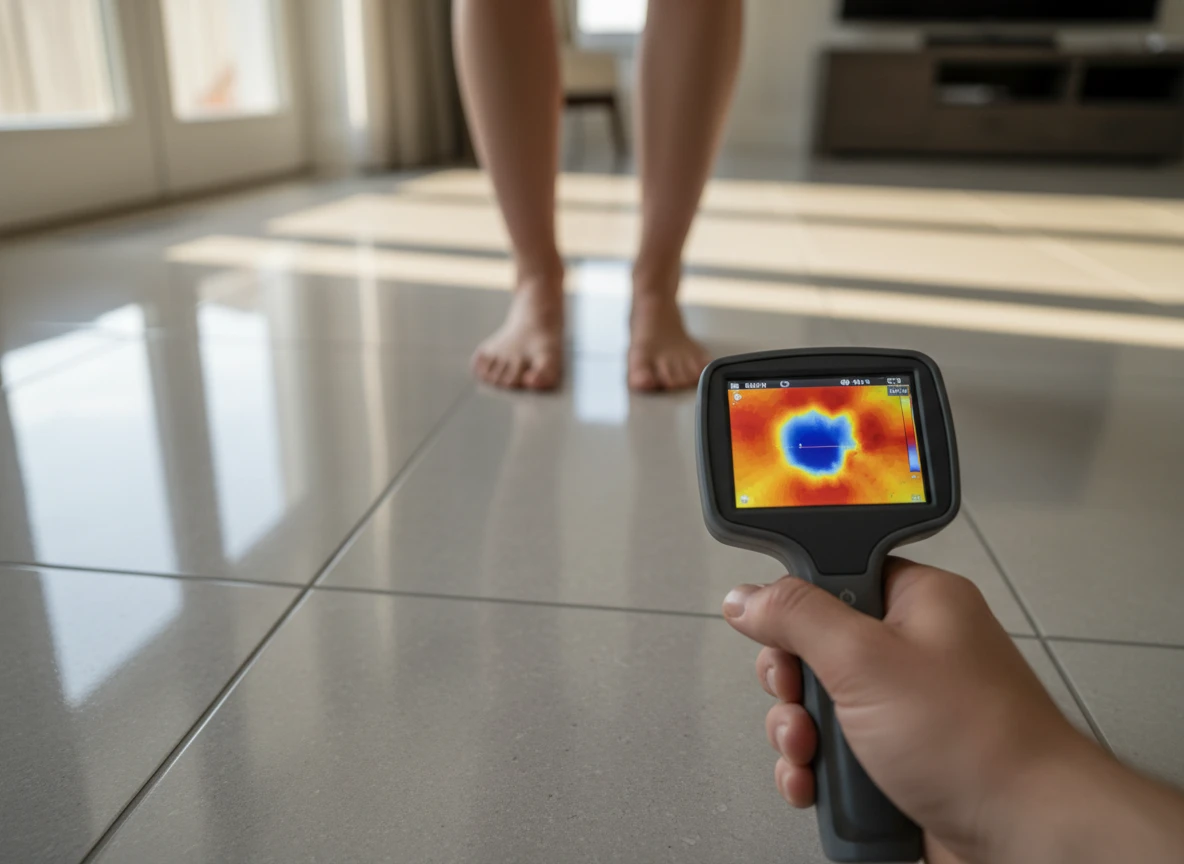
The path to radiant floor heat repair for electric setups rarely involves guessing. Thermal imaging cameras can locate the exact point of a severed cable under tile, allowing for a localized repair without disturbing the entire floor layout.
The multi-layered reality of hydronic systems
Water doesn't behave like electricity. In hydronic radiant floor heating, heat is transported by a moving mass of water that is subject to pressure drops, friction, thermal expansion, and air-binding.
When one room stays freezing, you cannot just test for continuity. You must evaluate the system's hydraulic balance. For instance, a flow rate drop of just 0.5 gallons per minute can reduce heat output by half in a long PEX loop. The problem might be an airlock, a stuck actuator pin, mineral scaling reducing the inner pipe diameter, or a poorly adjusted balancing valve at the manifold.
At Integro Process Heating Solutions, we design systems with thermal efficiency in mind. We know that fluid dynamics don't tolerate guesswork. If a single loop fails to heat, it's rarely a single component at fault. Instead, it's usually an imbalance in the broader hydraulic loop. This is why diagnosing these setups requires a methodical check of pressure, flow, and mechanical valve states rather than just toggling a digital thermostat.
Critical diagnostic mistakes to avoid in your mechanical room
Mechanical room blunders that cost thousands
Picture this: you're standing in your mechanical room with a wrench, staring at a cold master bedroom zone. You hook up a garden hose to the purge valve, planning to blast out a suspected airlock. You crank the utility water valve wide open. Hiss. A pressure relief valve pops, spraying water everywhere.
It happens. In DIY radiant floor heat repair, blind flushing at high pressure is a classic mistake. Most residential systems run on 15 to 20 PSI. Blasting them with 60 PSI of municipal water pressure will easily rupture PEX tubing or ruin your manifold seals. That's a very expensive mistake.
Another trap is assuming a cold room means a dead thermostat. At Integro Process Heating Solutions, we often see homeowners swap out perfectly good wall units when the real culprit is a seized actuator or a clogged manifold port. While diagnosing electric floor heating systems usually points directly to wiring or control units, hydronic heating troubleshooting is a different beast. You have to look at fluid flow first.
Also, please don't frantically spin your manifold balancing valves. If you crank open the flow on the cold loop without tracking your turns, you'll likely starve the rest of the house of heat. Hydronic systems are delicate. They rely on precise pressure balances, meaning a change to one valve affects every other loop on that manifold.
If you must adjust a valve on your underfloor heating system, make a tiny quarter-turn adjustment. Then, wait. Give it 12 to 24 hours to see what happens. There are no quick fixes here. Patience is your best tool.
Restoring balance to your home heating
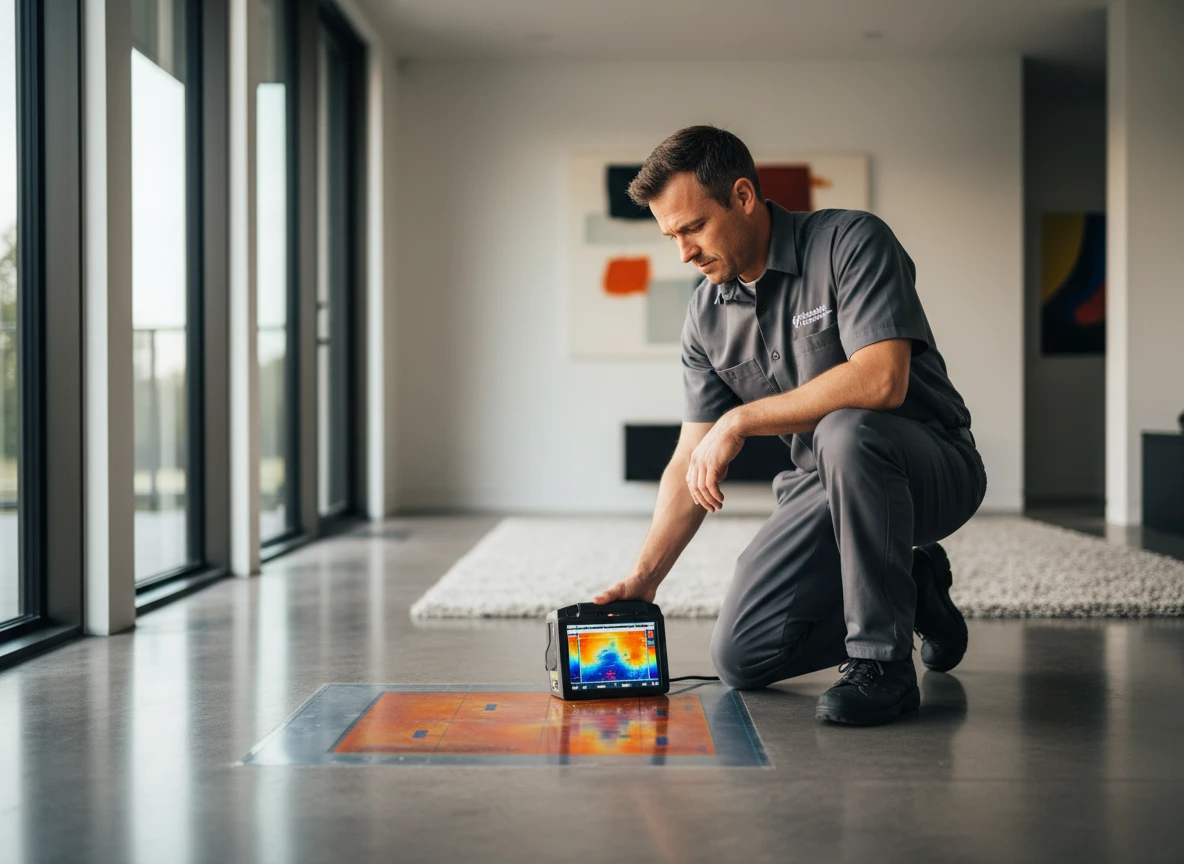
Once you have ruled out those basic mechanical room blunders, restoring your home's equilibrium requires a methodical plan. You do not want to jump straight to tearing up floors. Instead, start by tracking the actual thermal signature of your underfloor heating system.
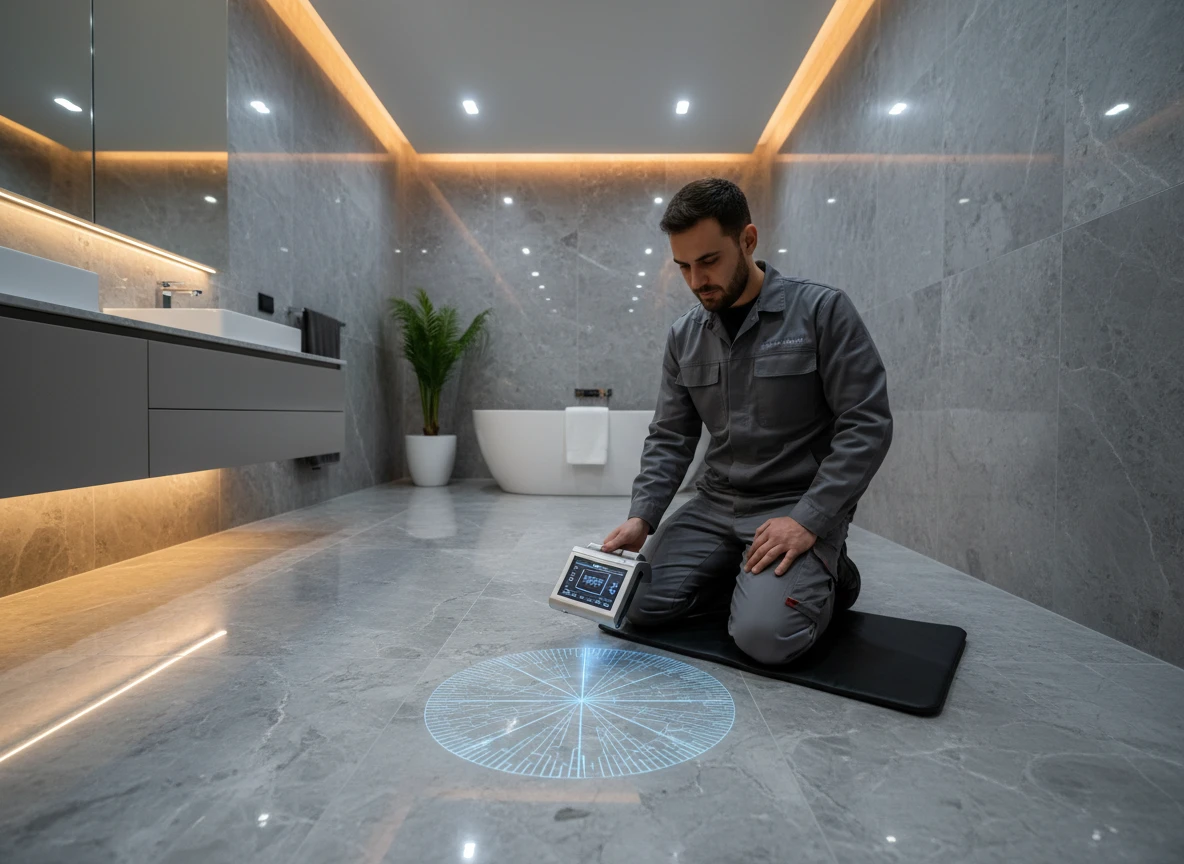
Sometimes, the naked eye and a basic thermostat check just will not cut it. This is where specialized diagnostic tools become your best friend. A thermal imaging camera can instantly reveal where the hot water stops flowing, pointing you directly to the airlock or blockage. If you find yourself dealing with stubborn sludge or mineral buildup, a standard garden hose won't do. You will need a professional high-flow flushing rig to clear the lines without exceeding safe pressure thresholds. These rigs use controlled, high-volume flow to dislodge stubborn debris that low-pressure household water cannot budge.
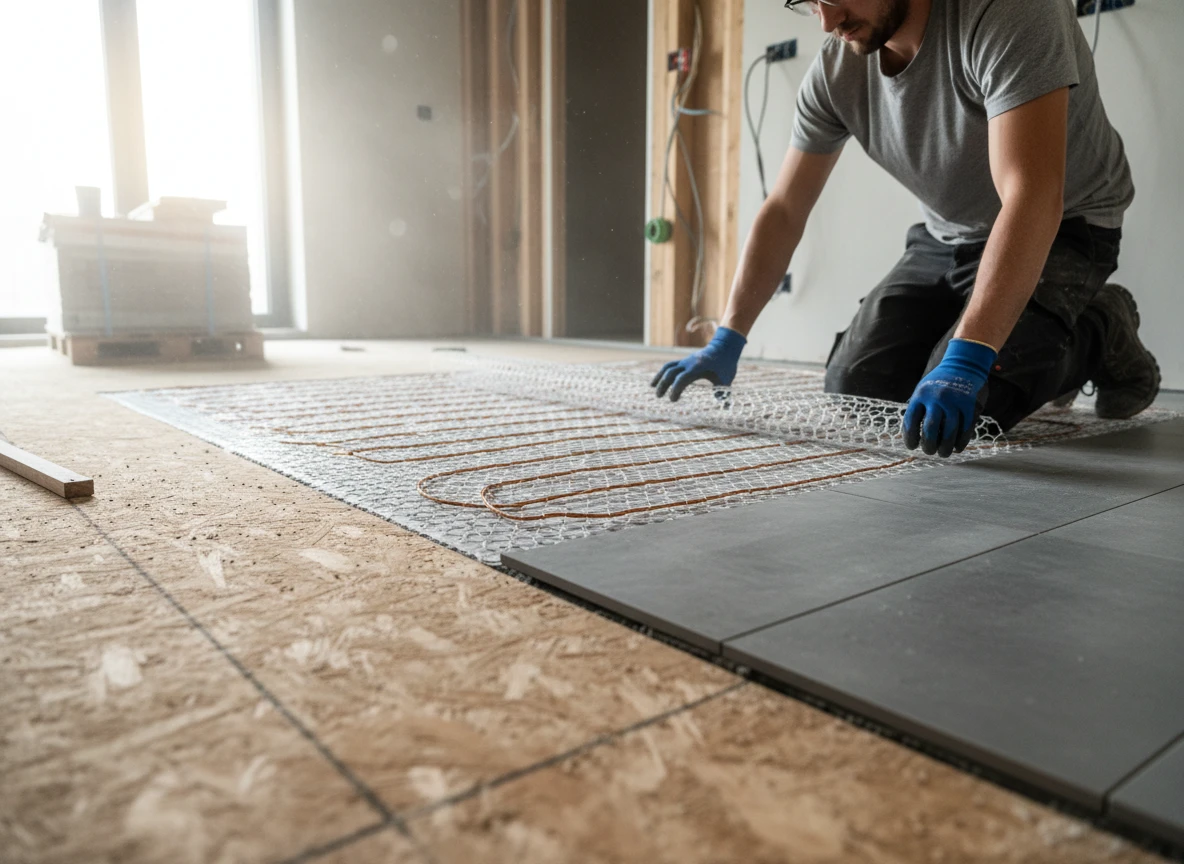
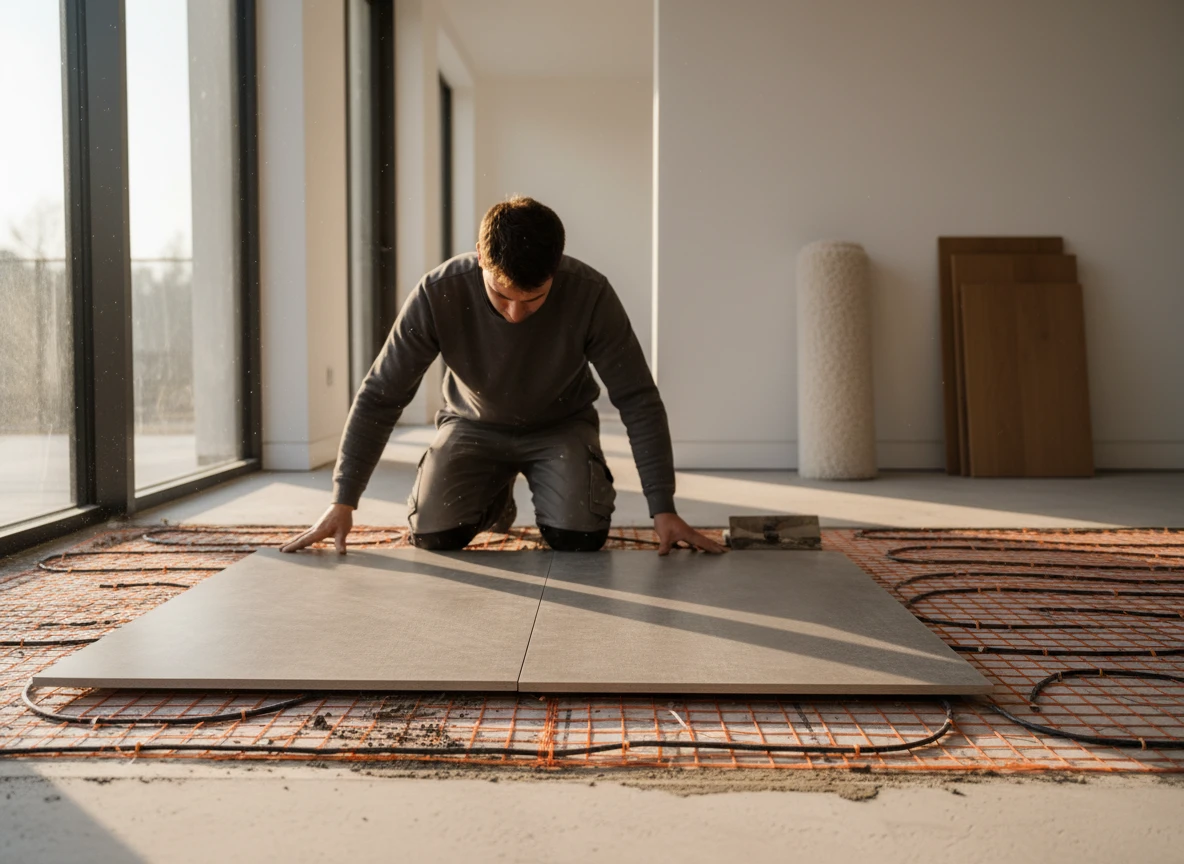
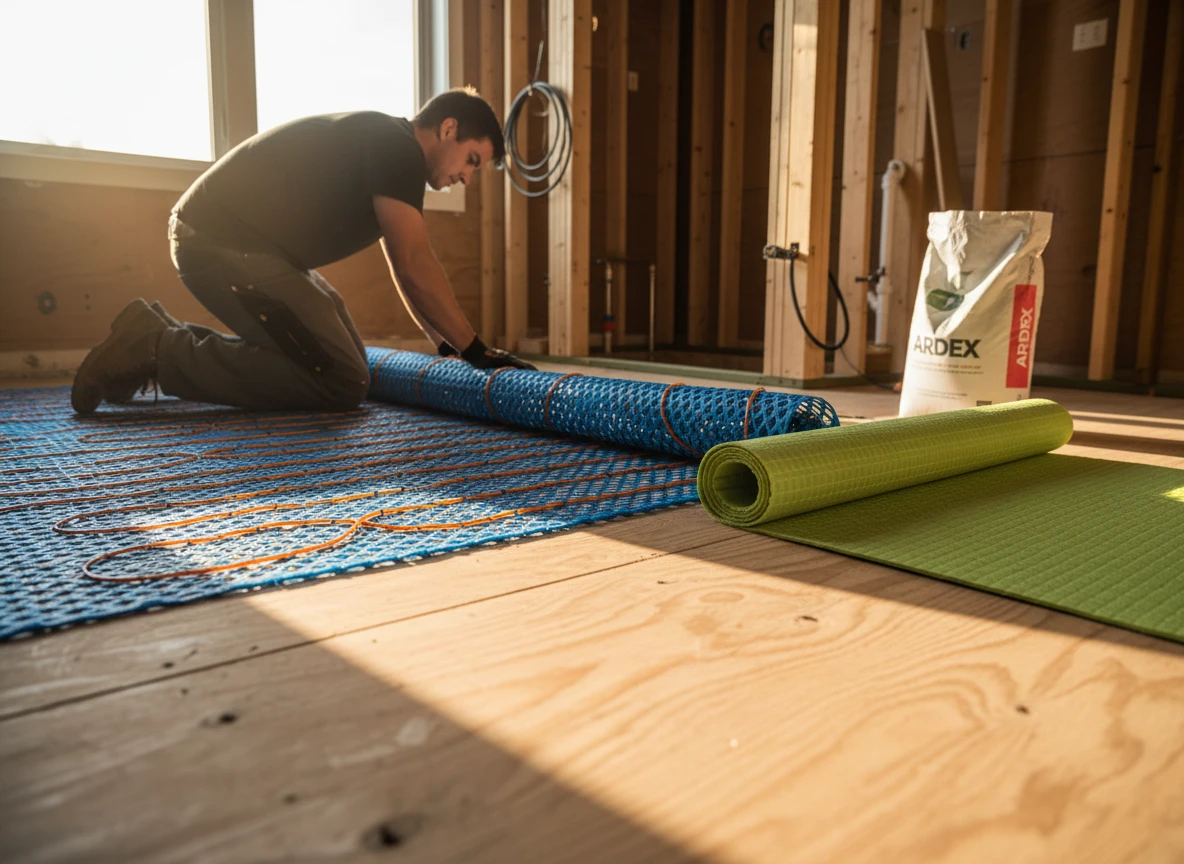
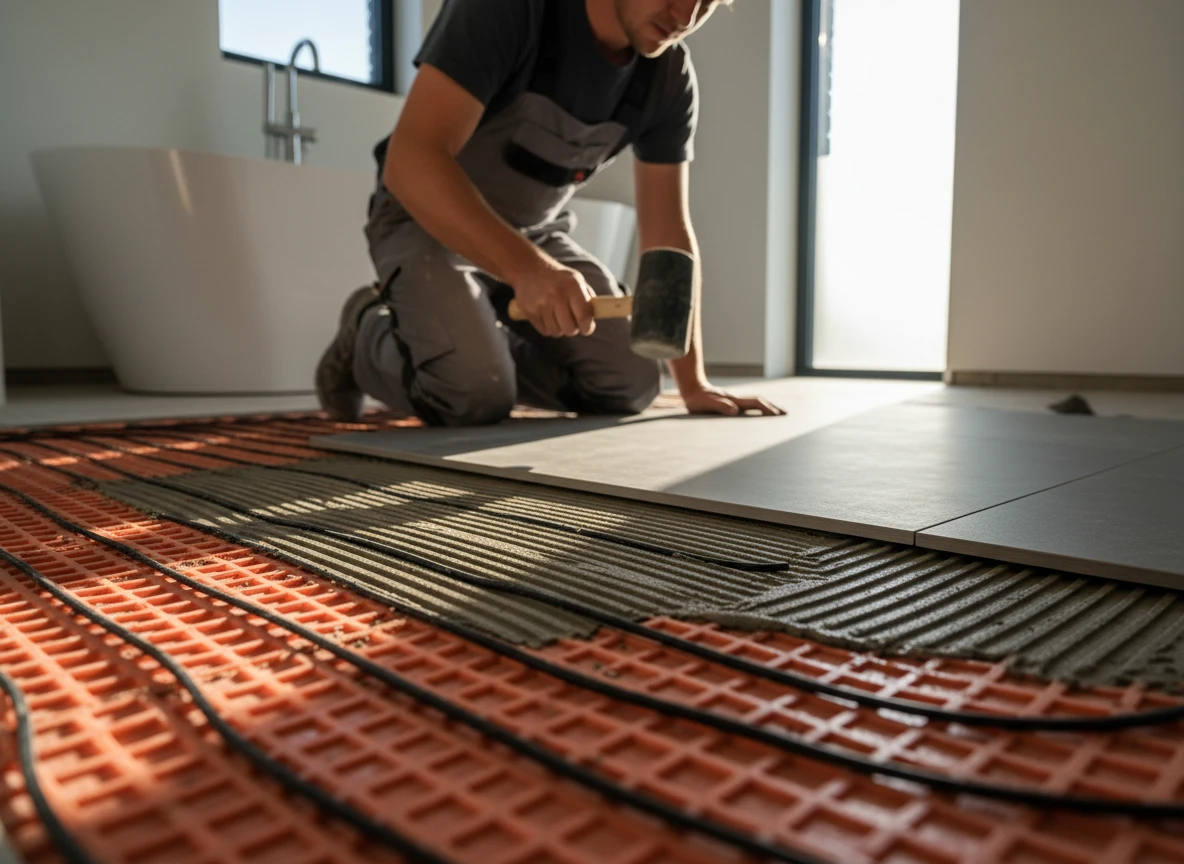
While we at Integro Process Heating Solutions design large-scale industrial systems, the core principles of fluid dynamics and thermal balance remain identical when troubleshooting residential floor heating solutions. If you are also dealing with electric auxiliary zones and wondering about installation pitfalls, checking our guide on laying a floor heating mat can save you from costly subfloor mistakes.
For hydronic radiant floor heat repair, take it one loop at a time. Isolate, measure, and verify before you make permanent adjustments. What is your next move on that manifold?
Dealing with stubborn cold zones that DIY fixes can't touch? Integro Process Heating Solutions delivers engineered thermal equipment that keeps your entire system running efficiently.
Frequently Asked Questions
Why does only one room stay cold when the rest of the house is warm?
That usually happens because the specific PEX loop for that room has an airlock, a stuck zone valve, or restricted water flow at the manifold. Most folks check the thermostat first, but the issue is usually mechanical.
How do I get rid of an airlock in my underfloor heating loop?
You'll need to bleed the specific loop using the drain valve on your manifold while forcing water through it. Honestly, if you're not comfortable working with system pressure, it's safer to bring in a pro.
Can thick area rugs or heavy furniture block hydronic radiant heat?
They sure can. Thick non-breathable rugs act as insulators, trapping heat against the floor and stopping it from rising into the room, making the space feel noticeably colder.
Does sludge buildup really affect hydronic floor heating systems?
Over several seasons, mineral and sludge deposits build up inside the tubing and can restrict hot water flow by up to fifty percent. That's why periodic flushing is a game-changer for older systems.