- By Admin
- Integro
- The zero liquid discharge myth: evaporation is not a regulatory free pass
- Why your wastewater treatment is now an air quality question
- Dealing with the leftovers: solid waste compliance for concentrated sludge
- The real cost of boiling water
- Common permit questions every plant manager asks
- Utility upgrades and local codes that catch facilities off guard
- How to start your compliance checklist without getting stuck
- Frequently Asked Questions
The zero liquid discharge myth: evaporation is not a regulatory free pass
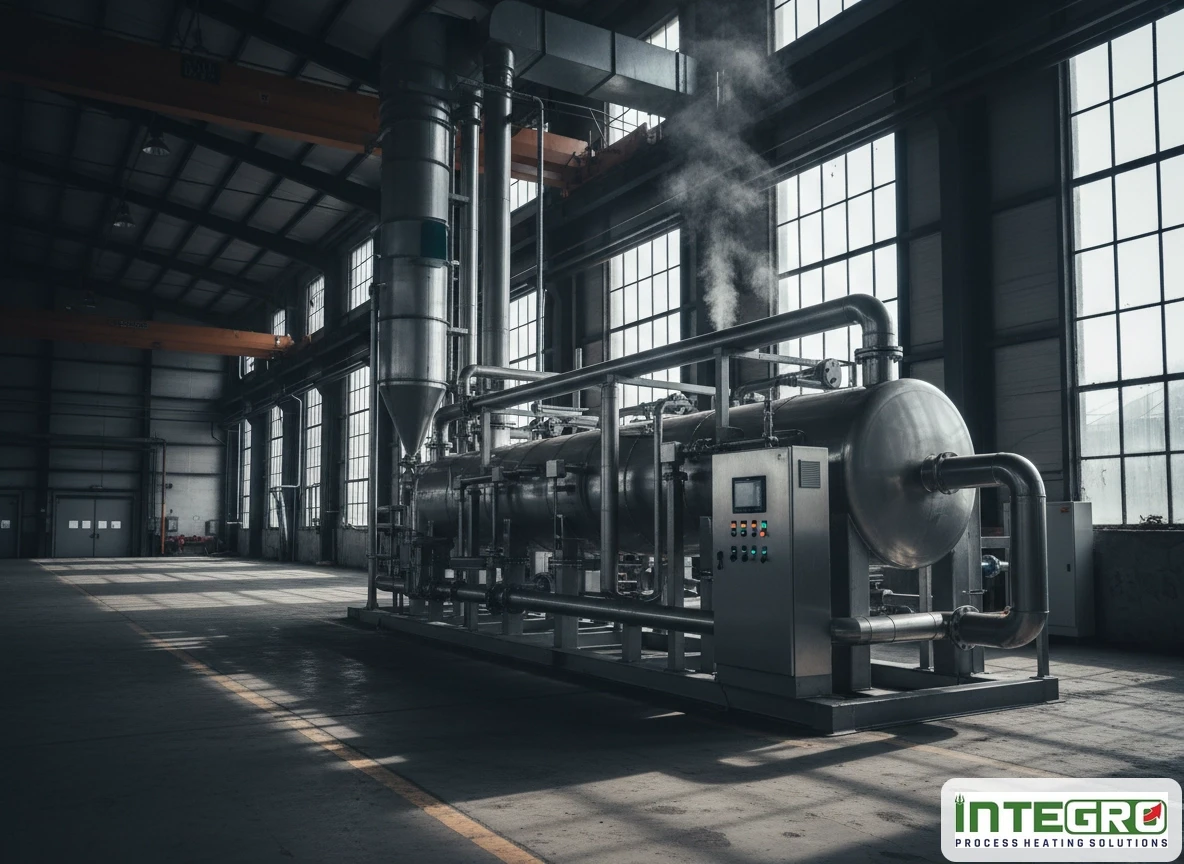
You finally switch off your facility's sewer connection. You're confident the compliance headaches are over. But installing an industrial wastewater evaporator doesn't actually erase your regulatory footprint. It just shifts it. Instead of sending waste down the drain, you're now sending it into the sky and the solid waste bin.
Many plant managers fall into the trap of assuming zero liquid discharge (ZLD) means zero paperwork. That's a costly mistake. Boiling off water doesn't let you escape the regulators; it just changes who you have to deal with.
Think about where that evaporated water actually goes. It exits right through your exhaust stack. If your wastewater contains solvents, volatile organic compounds (VOCs), or certain oils, those chemicals will vaporize along with the water. Local air quality boards are going to want to know exactly what you're venting. Because of that, you might find yourself needing an air permit.
Then there's the leftover sludge. The concentrated gunk or dry cake left inside your waste water evaporator doesn't just vanish. If you run a plating line or a metal finishing shop, that residue is often classified as hazardous waste. That means you still have to test it, fill out manifests, and pay for proper disposal. It's not a loophole. It's just a trade-off.
At Integro Process Heating Solutions, we help facilities deal with these practical realities. We don't just sell hardware. We look at the whole picture, including your electrical draw and your emissions profile. Transitioning to thermal treatment is a smart way to cut down on hauling costs, but you have to look beyond the liquid line to make it work.
Why your wastewater treatment is now an air quality question
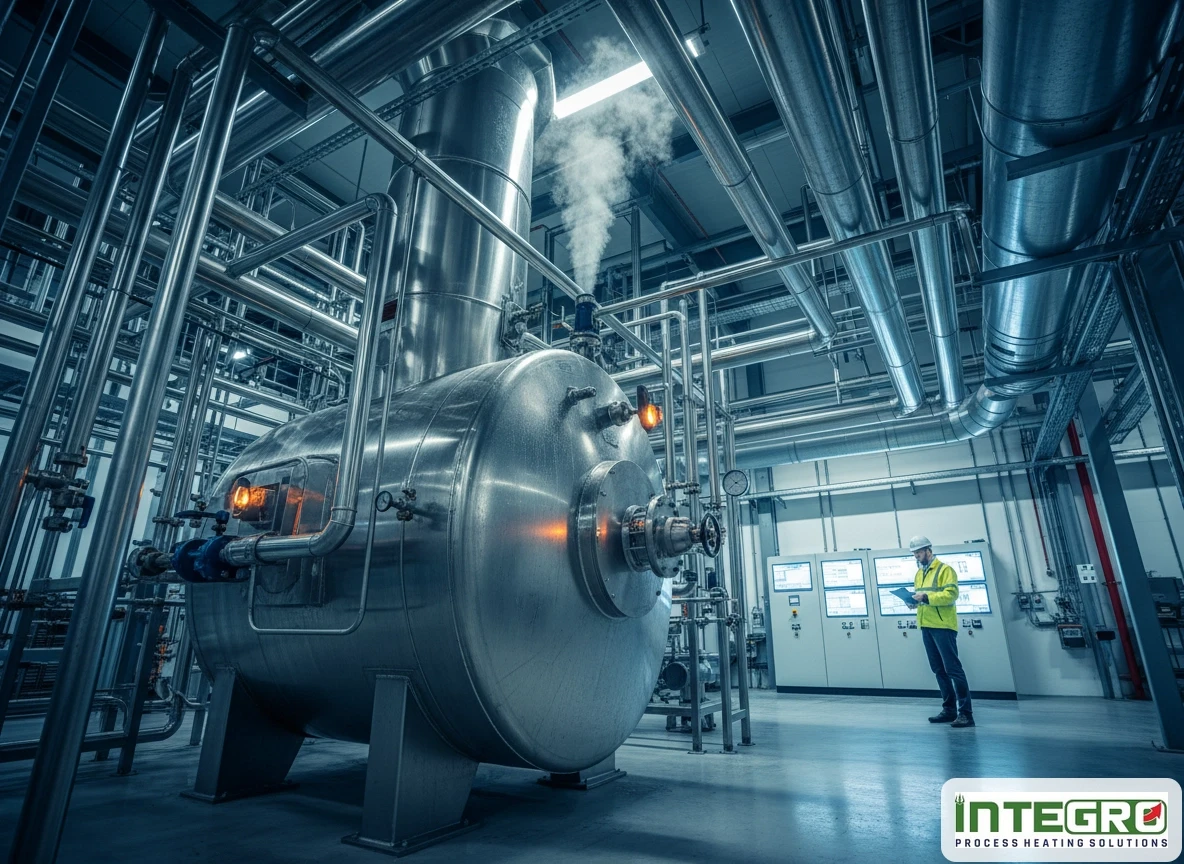
Shifting from liquid discharge to thermal evaporation does not eliminate your environmental footprint; it simply moves it from the sewer to the sky. When you heat effluent in an industrial waste water evaporator, any compound with a boiling point near or below that of water will vaporize. This phenomenon, known as volatile organic compound (VOC) carryover, means your exhaust stack is releasing more than just harmless steam.
Regulatory bodies do not classify evaporator exhaust as benign water vapor if the feed chemistry contains solvents, emulsified oils, or surfactants. Instead, they evaluate the process as a regulated stack emission. To determine permit thresholds, environmental agencies typically require a mass-balance calculation, contrasting the chemical profile of the raw influent against the residual sludge left behind in the wastewater evaporation system.
To mitigate physical droplet carryover,which can carry non-volatile heavy metals into the air stream,we integrate mesh mist pad technologies into the exhaust plenum. These pads coalesce entrained liquid droplets, returning them to the boiling chamber while allowing clean vapor to pass. But while mist eliminators handle physical carryover, they cannot trap gaseous VOCs.
Consequently, compliance officers often consult state environmental guidance on evaporators to determine if secondary carbon adsorption is required. At Integro Process Heating Solutions, we design thermal systems that account for these phase changes, ensuring your operations remain within safe, legal boundaries.
Dealing with the leftovers: solid waste compliance for concentrated sludge
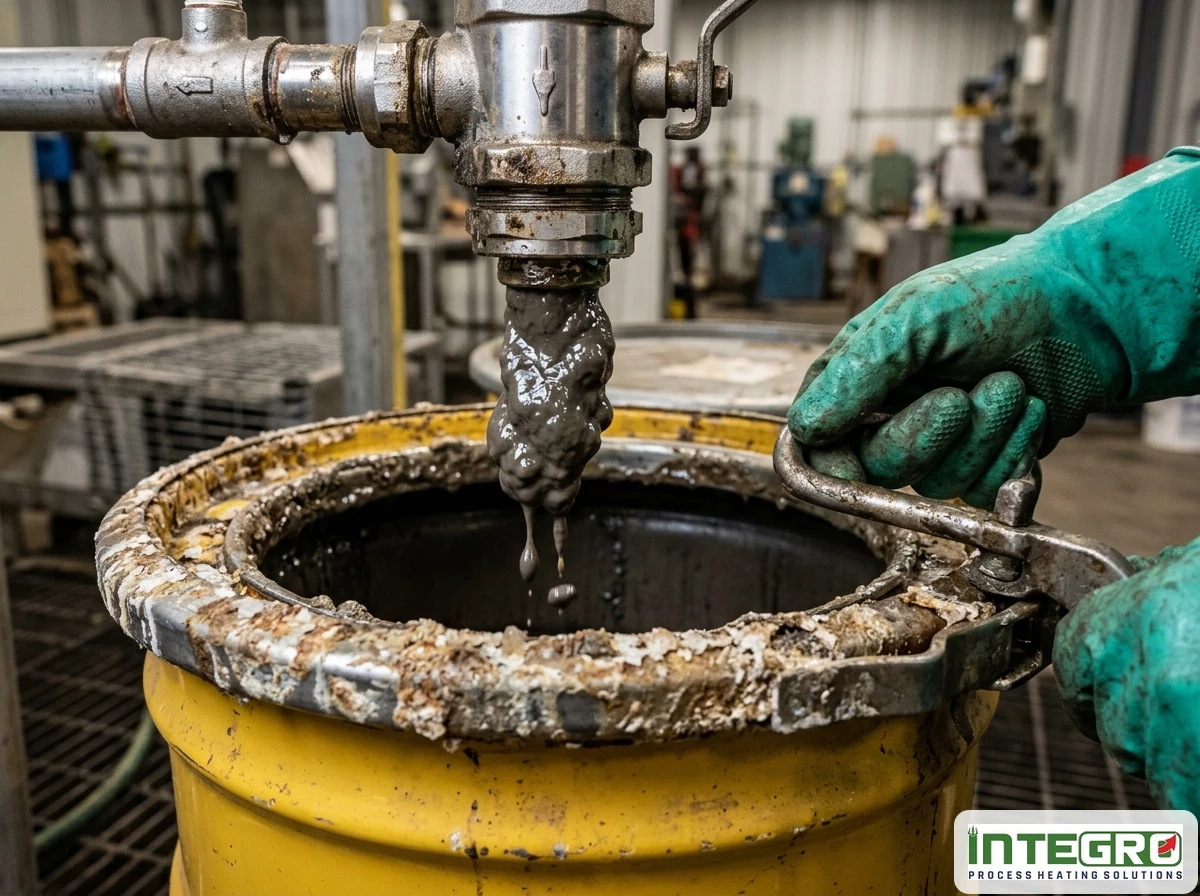
When the water boils off, you're left with a nasty reality. That's the dry cake or heavy-metal sludge sitting at the bottom of your thermal evaporators. Don't fall into the trap of thinking zero liquid discharge means zero waste management. It doesn't. You've just concentrated the pollutants, and now you have to test and dump them legally.
If you run electroplating or chemical lines, that sludge is likely hazardous waste under RCRA. You can't just throw it in the dumpster. First, you have to run a Toxicity Characteristic Leaching Procedure (TCLP) test to see if those heavy metals will leach into groundwater. If they do, you're paying for certified hazardous waste haulers. That instantly wrecks your operating budget if you didn't plan for it.
We design systems at Integro Process Heating Solutions with this exact headache in mind. A high-efficiency waste water evaporator shrinks your liquid volume, but it doesn't make toxins vanish. It just packs them closer together. You have to handle this sludge fraction right, or the EPA will bury you in fines. We calculate these leftover volumes during the engineering phase so there are no surprises.
Ignoring solid waste compliance is a fast track to a lawsuit. Figure out your waste stream before you flip the switch. Know your waste codes, run the TCLP tests, and get a contract with a certified disposal facility.
The real cost of boiling water
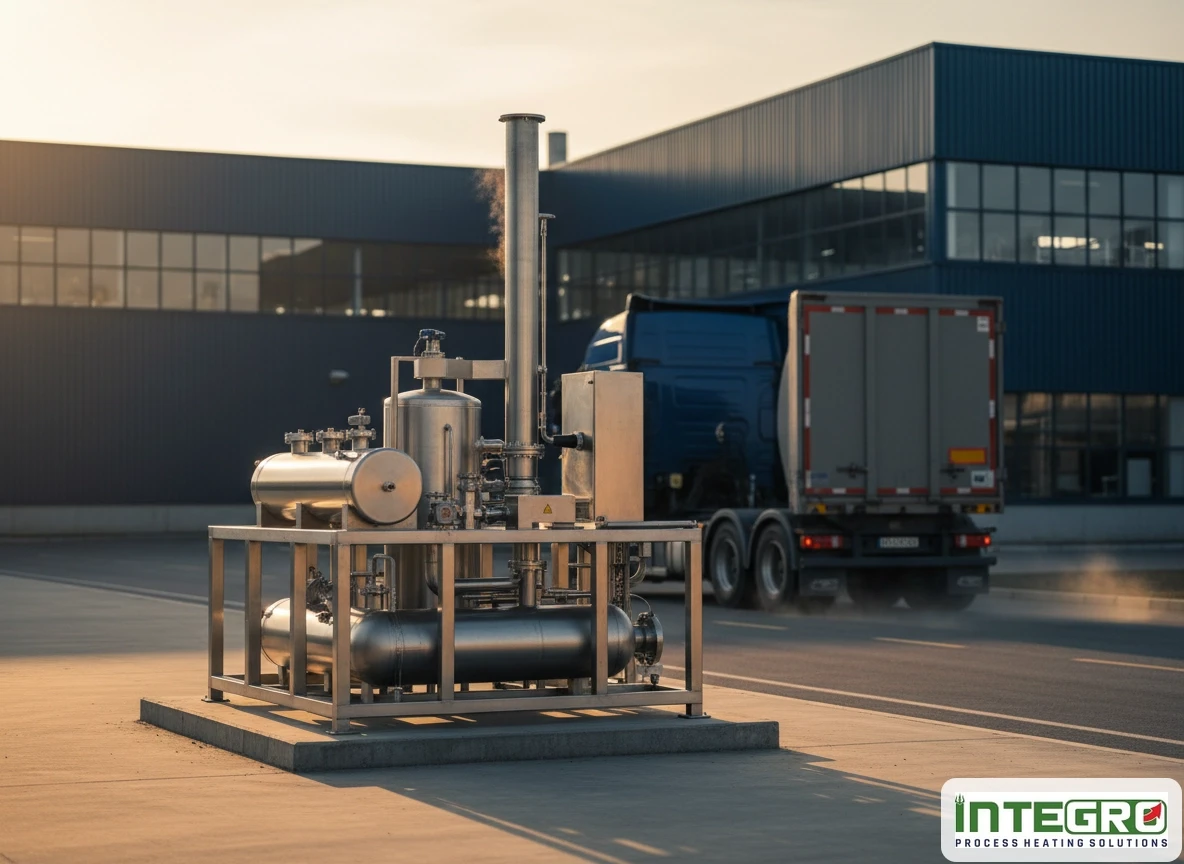
It takes approximately 8,084 British Thermal Units (BTUs) of energy to vaporize a single gallon of water under atmospheric pressure. When calculating your actual wastewater evaporator cost, this physical law dictates your daily operating budget. Standard atmospheric thermal evaporators from manufacturers of thermal evaporators are relatively inexpensive upfront, with acquisition costs starting around $11,000 for small 4 gallons-per-hour (GPH) electric units and scaling to over $35,000 for 50 GPH gas-fired models. But their high energy consumption means it's common to see operational costs of $0.15 to $0.30 per gallon depending on local utility rates.
To lower these high running costs, many facilities upgrade to a vacuum evaporator for wastewater or a mechanical vapor recompression (MVR) system. By lowering system pressure, water boils at much lower temperatures,sometimes as low as 120°F. This thermodynamic shift allows vacuum heat pump and MVR units to recycle latent heat, dropping energy consumption drastically. Their operational costs often plummet to just $0.01 to $0.02 per gallon, though these calculations don't always scale linearly because of varying feed chemistry.
The tradeoff is the initial capital expenditure. A high-efficiency wastewater evaporator plant sourced from reputable wastewater evaporator plant suppliers or wastewater evaporator plant exporters can easily exceed $150,000, scaling up to seven figures for massive 4,000 GPH systems. While evaporating wastewater eliminates the need for an industrial wastewater discharge permit, you must weigh these high capital costs against your current sewer fees.
At Integro Process Heating Solutions, we analyze these thermal balances to ensure you don't buy more heating capacity than your process demands. If your daily wastewater volume is low, a simpler thermal unit is usually more cost-effective. But for high-volume operations, investing in advanced industrial waste water evaporators pays for itself in energy savings within the first few years.
Common permit questions every plant manager asks
Imagine walking through your plant and watching a newly installed reverse osmosis (RO) system spit out 500 gallons of high-salinity reject water every single day. Your local sewer authority just slashed your allowable dissolved solids limit, leaving you with two bad options: pay exorbitant hauling fees or find an immediate thermal solution.
At Integro Process Heating Solutions, we help plant managers navigate these exact operational crossroads. Transitioning from sewer discharge to an engineered water treatment evaporator solves your liquid disposal problem, but it changes your regulatory requirements. Here are the questions we hear most often.
Q: Can I run high-salinity RO reject through an evaporator without a discharge permit?
A: Yes, but you swap one regulatory framework for another. Because you aren't releasing liquid into public sewers, you bypass the traditional industrial wastewater discharge permit process. However, you must now account for solid waste and air emissions. Highly concentrated RO reject leaves behind a crystalline salt cake. If your feed water contains heavy metals, this sludge may qualify as hazardous waste under local laws.
Q: When does a local air district require a permit for water evaporation?
A: Your local air quality management district (AQMD) looks closely at what is riding along with the steam. If your wastewater contains volatile organic compounds (VOCs), solvents, or light oils, heating the mixture will vaporize these contaminants. Selecting an evaporator for wastewater treatment with built-in mist eliminators can mitigate particulate carryover, but high VOC levels usually require an active air permit. And in some strict regions, even clean water vapor emissions require registration if the burner's thermal output exceeds specific fuel-burning equipment thresholds.
Q: Can I get a regulatory variance if my concentrated residue is classified as hazardous?
A: Genuine variances are exceptionally rare, but some jurisdictions offer exemptions for on-site volume reduction. If your thermal evaporators are used solely to reduce the volume of hazardous waste prior to off-site disposal, you generally do not need a treatment facility permit. But this exemption doesn't always hold across state lines, so you must verify your local hazardous waste rules first.
Q: Do I need to upgrade my electrical infrastructure to support a new system?
A: In most cases, yes. High-capacity thermal systems demand significant power, much like trying to run an oversized industrial circulation heater on a standard shop circuit. So, you'll need to coordinate with your facilities engineer to assess your current panel capacity before finalizing your equipment selection.
Utility upgrades and local codes that catch facilities off guard
Beyond emissions paperwork, the physical reality of powering a thermal system often blindsides facilities. Installing an industrial waste water evaporator demands substantial utility capacity that standard factory floors lack.
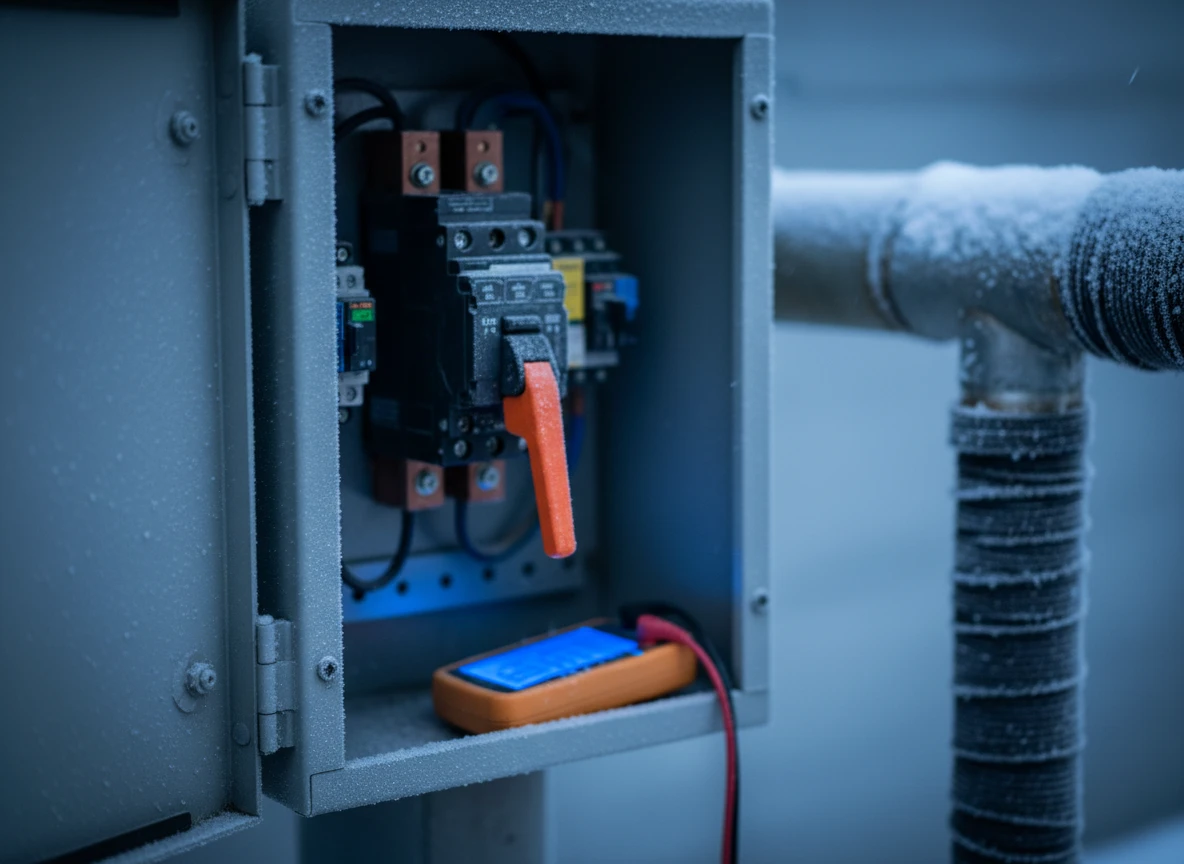
For instance, a standard electric waste water evaporator can draw up to 90 amps or more at 480V. If your electrical panel is near capacity, you'll face costly transformer upgrades. Much like how poorly planned self regulating heat trace installations trip breakers due to high inrush currents, these heavy thermal loads can destabilize local distribution boards if transient surges aren't calculated beforehand.
Gas-fired models present their own bottlenecks. A 50 GPH unit often requires gas lines delivering up to 1,000,000 BTU/hr. If your existing gas manifold is only sized for space heaters, you'll need to run dedicated high-pressure lines from the main meter.
Local fire and building codes also introduce strict ventilation rules. NFPA standards require dedicated, double-walled exhaust stacks to prevent heat transfer to building structures. If your facility lacks structural clearance to run a vertical exhaust stack through the roof, retrofitting horizontal runs can choke the draft, leading to condensation backup and system shutdowns.
And don't forget the make-up air. Evaporating large volumes of water requires adequate room airflow to replace what's exhausted, or you'll pull a vacuum on your building.
How to start your compliance checklist without getting stuck
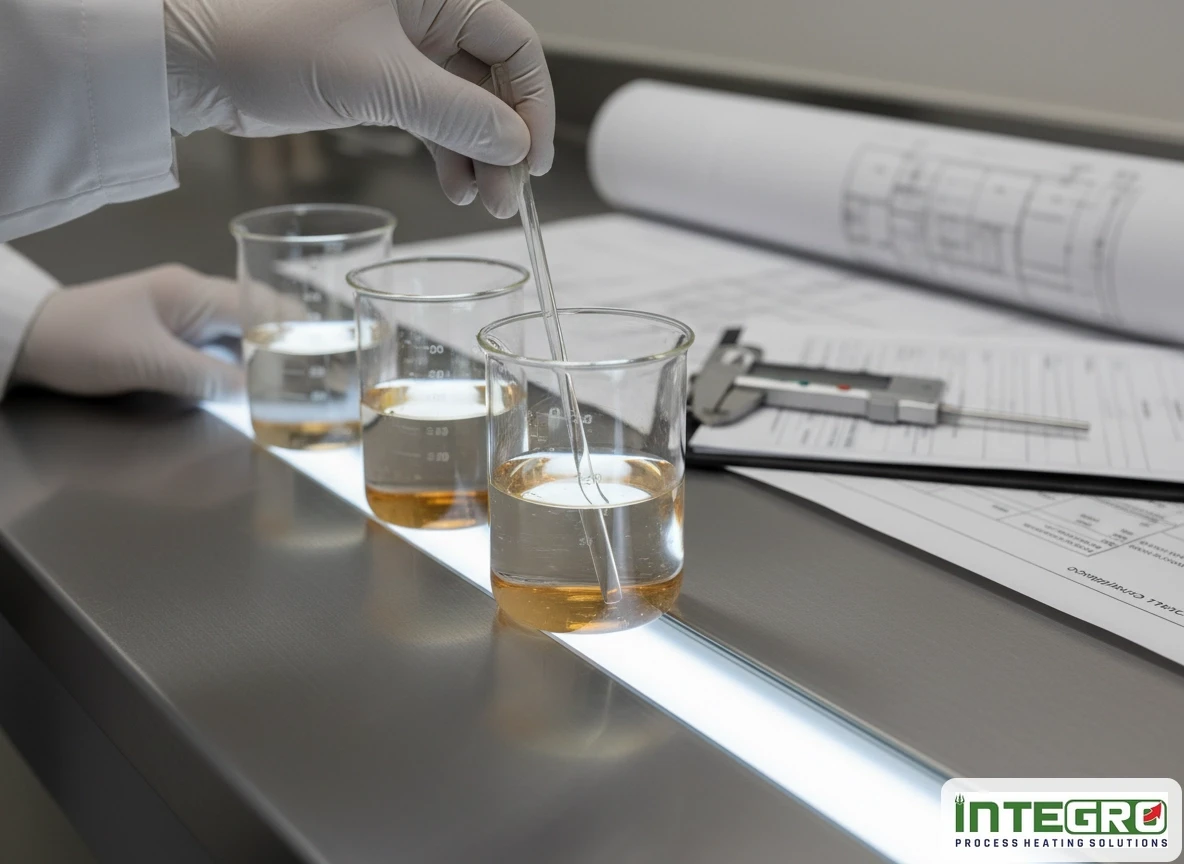
Now that you know the physical infrastructure demands, how do you actually take the first step without getting bogged down in regulatory quicksand? It's simpler than you think. You just need to follow a specific sequence.
First, test your wastewater chemistry. You can't size a wastewater evaporation system without knowing what's in your feed. Are you dealing with heavy metals, volatile organics, or high suspended solids? Don't skip this.
Second, contact your local air quality board before buying anything. Why? Because even if you're trying to stay clean by evaporating industrial wastewater, your local air district might still demand an emissions permit for the exhaust.
Finally, calculate your system scaling. Don't just look at average daily flow. Track your peak surges so you don't undersize your thermal equipment.
We've seen operations get stuck with systems that can't keep up with production spikes. What's your daily volume look like during peak shifts? Get those numbers locked down first. You'll avoid costly sizing mistakes. Once you have the chemistry and the peak flow rates, choosing the right physical system is easy.
Need help sizing a system that passes local air and waste checks? Integro Process Heating Solutions builds custom process heating equipment to keep your facility fully compliant.
Frequently Asked Questions
Do I need an air permit to run a waste water evaporator?
Usually, yes. Even though you aren't dumping liquid down the drain, burning natural gas or boiling off volatile compounds means local air districts will want to inspect your stack emissions.
What happens to the sludge left at the bottom of the tank?
That leftover residue isn't ordinary trash. You'll need to test it to see if it qualifies as hazardous waste and hire a certified handler to haul it away.
How much does a typical industrial waste water evaporator cost to buy and run?
Smaller electric units start around $11,000, while larger gas-fired systems easily top $35,000. Operating costs vary, though advanced vacuum setups can run as low as a penny per gallon.
Can I install a wastewater evaporation system without upgrading my factory utilities?
That's a gamble that usually backfires. These units draw massive amounts of power or require hefty gas lines, so you'll want to check your facility's infrastructure before buying.