- By Admin
- Integro
- A tale of two technologies: solid-state versus fluid dynamics
- What's actually going wrong inside neglected hydronic loops
- Your step-by-step annual hydronic maintenance protocol
- Essential diagnostic tools for fluid-based heating
- The critical service errors that can ruin your boiler
- The long-term math: is the maintenance effort worth the payback?
- Frequently Asked Questions
A tale of two technologies: solid-state versus fluid dynamics
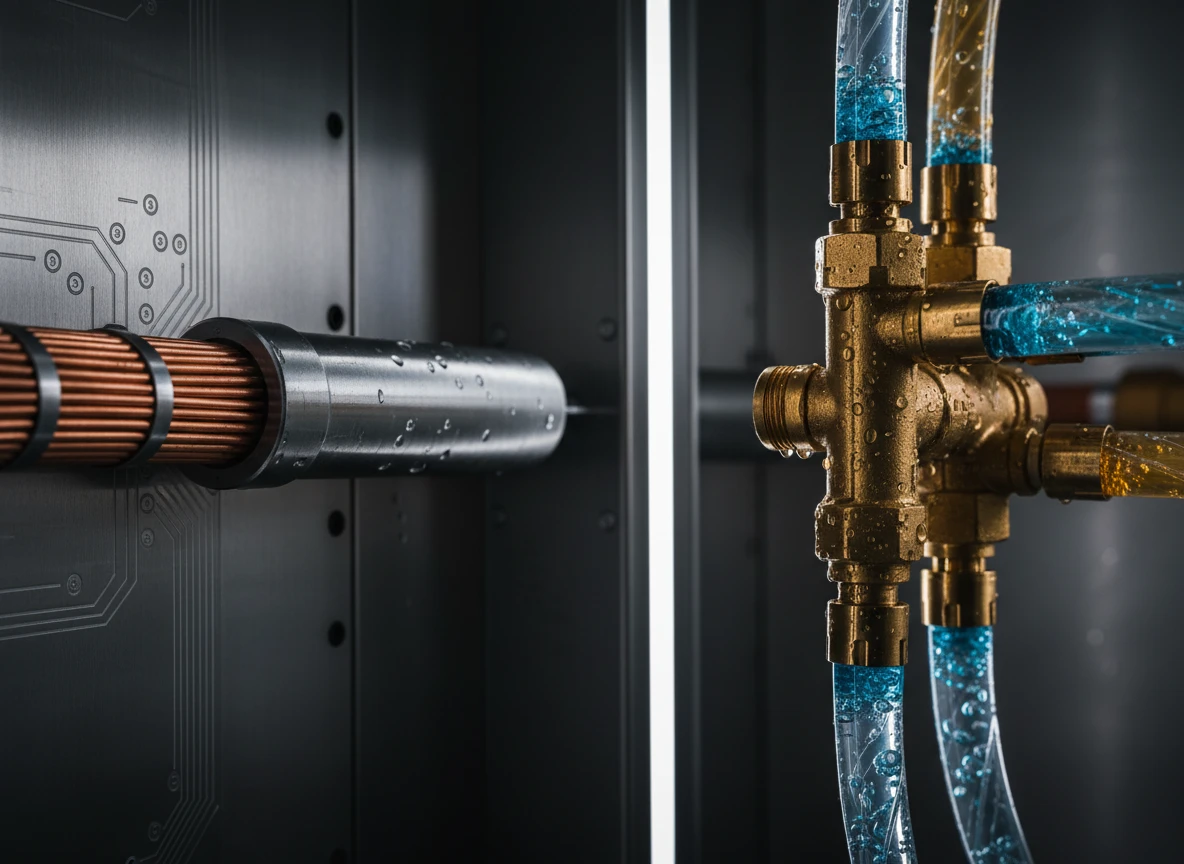
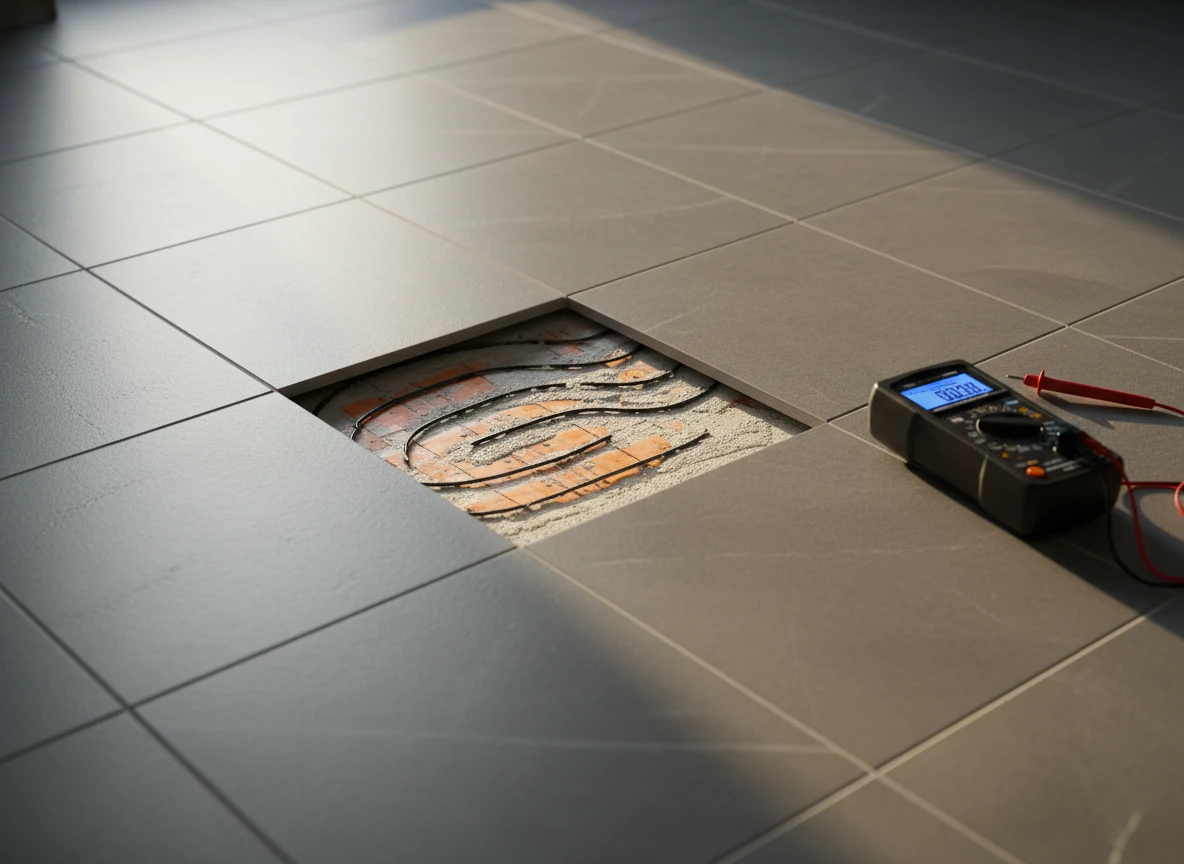
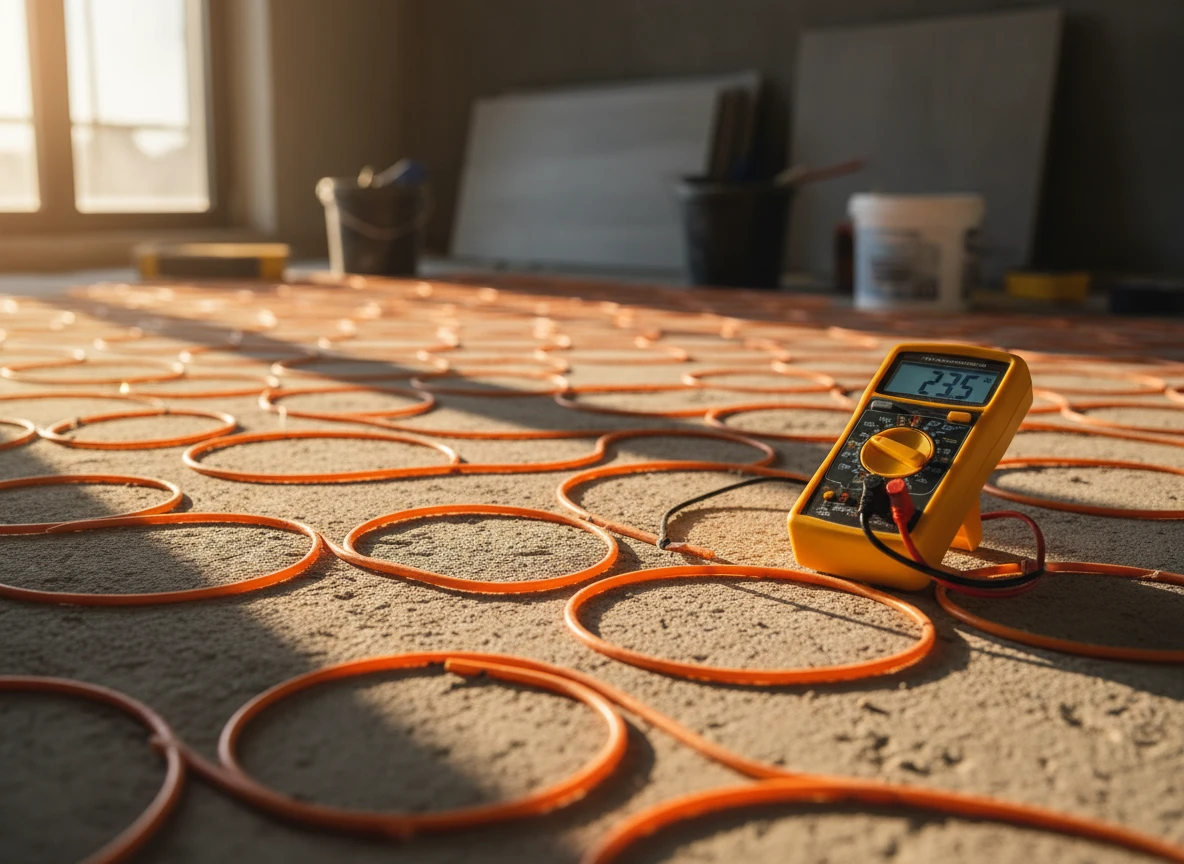
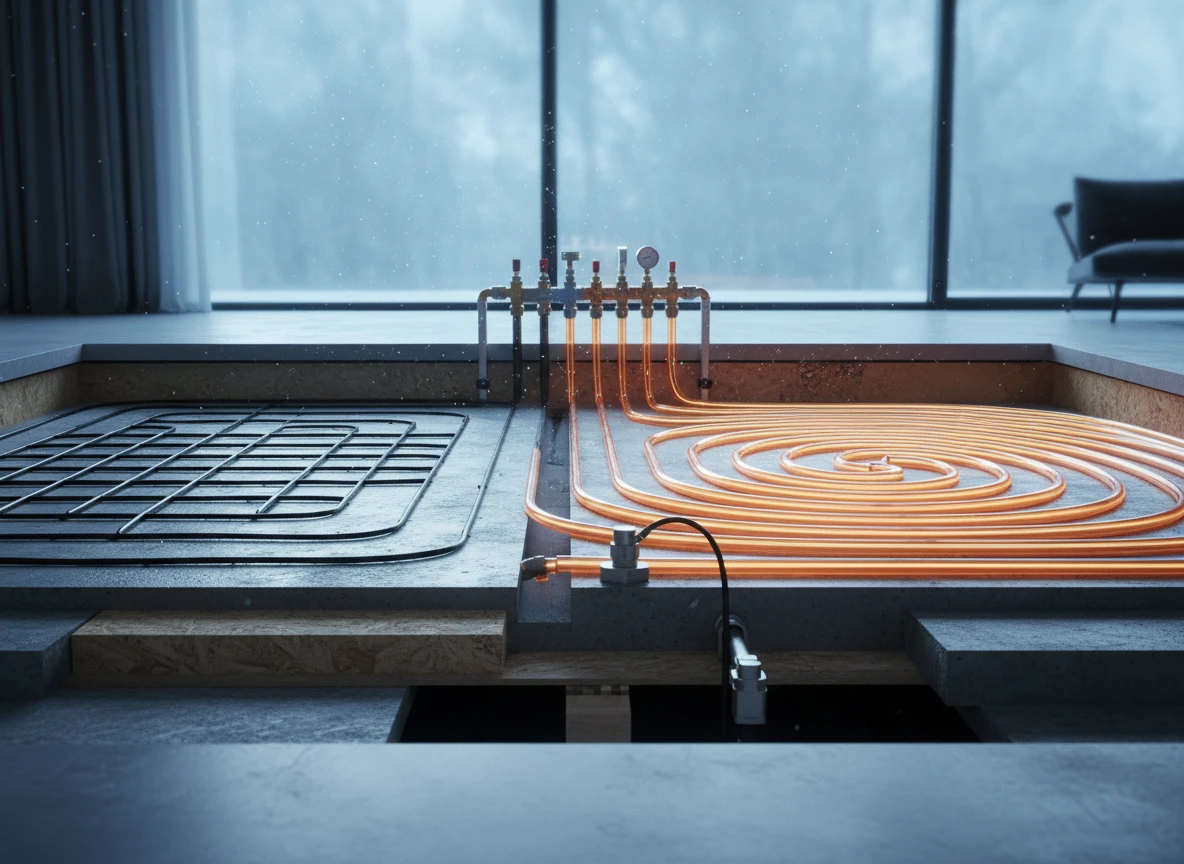
Run current through a solid-state heating cable and it gets hot. That is the entire operational premise of electric floor systems. There are no moving parts, no valves, and no fluid chemistry to balance.
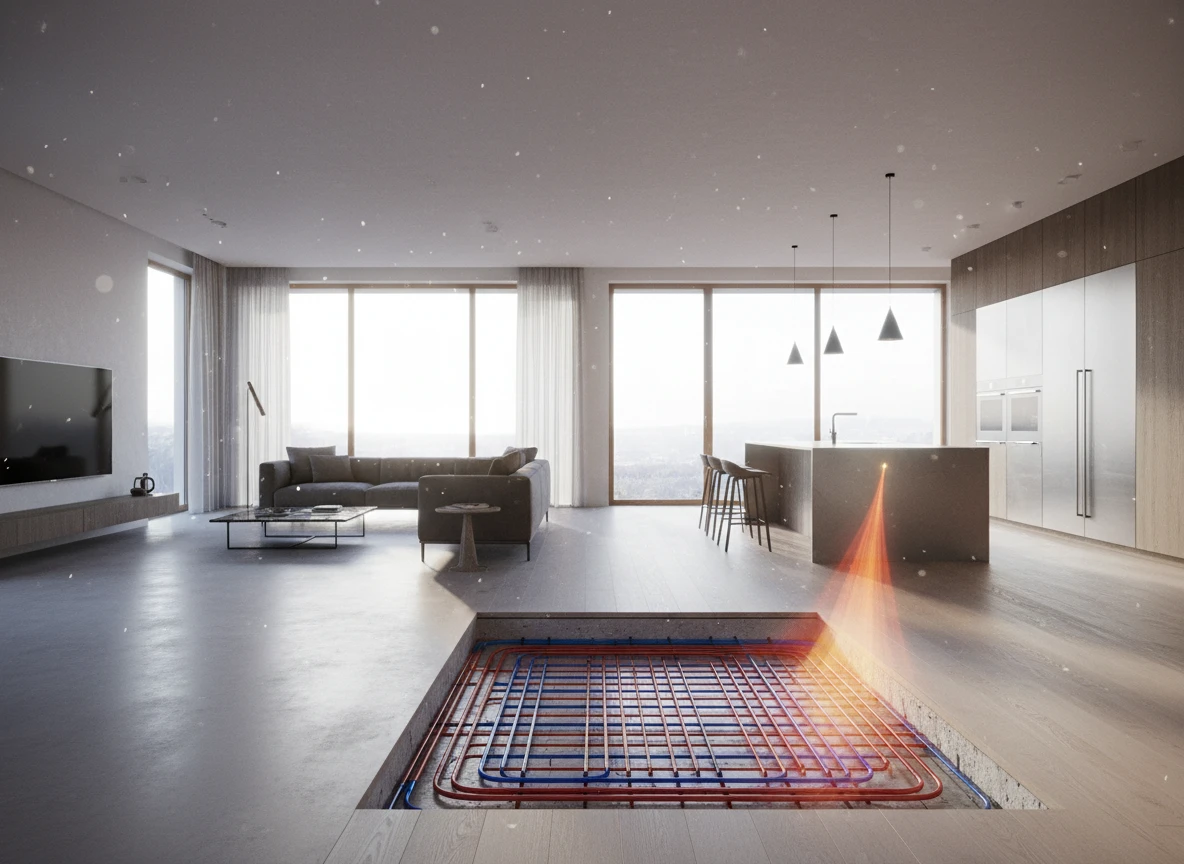
Shift to a fluid-based setup, however, and you are no longer just managing electricity. You are operating a miniature industrial plumbing network. This fundamental difference in physics explains why hydronic radiant floor heating demands systematic, hands-on maintenance that electric systems never require.
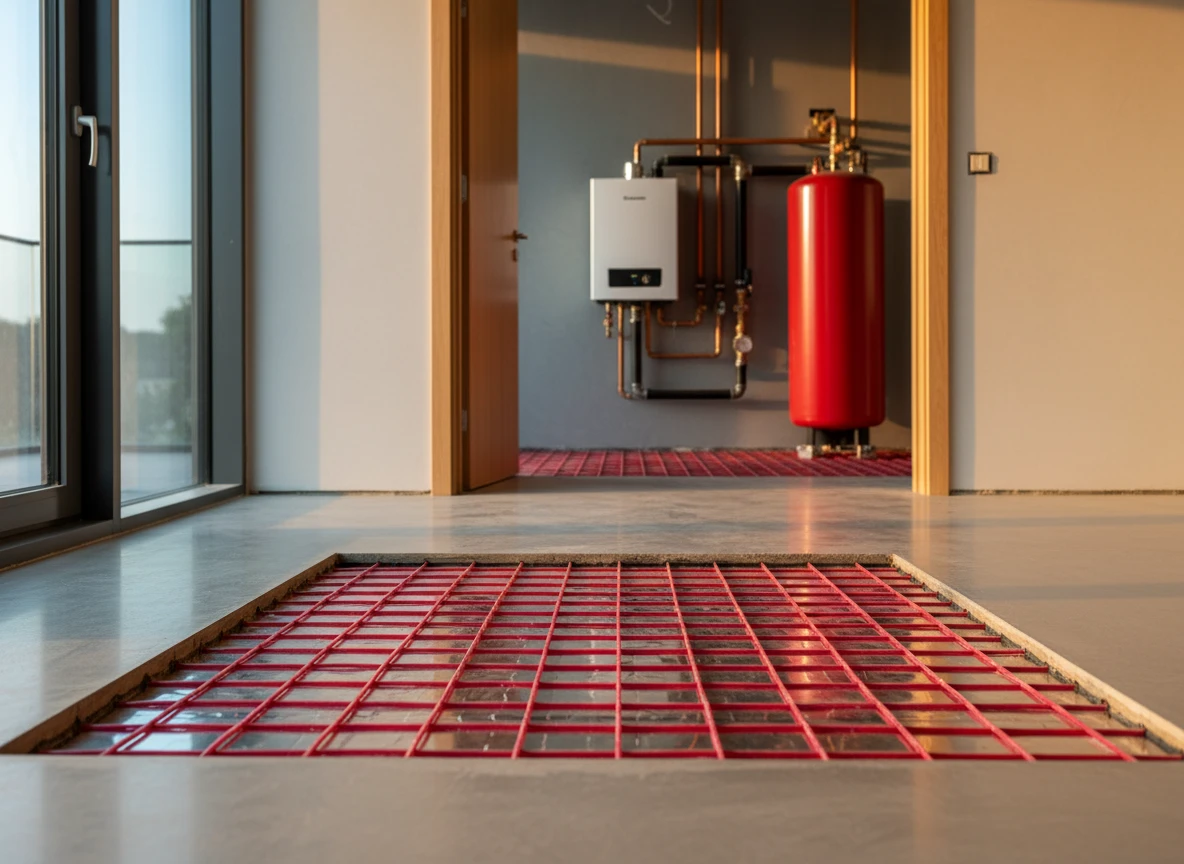
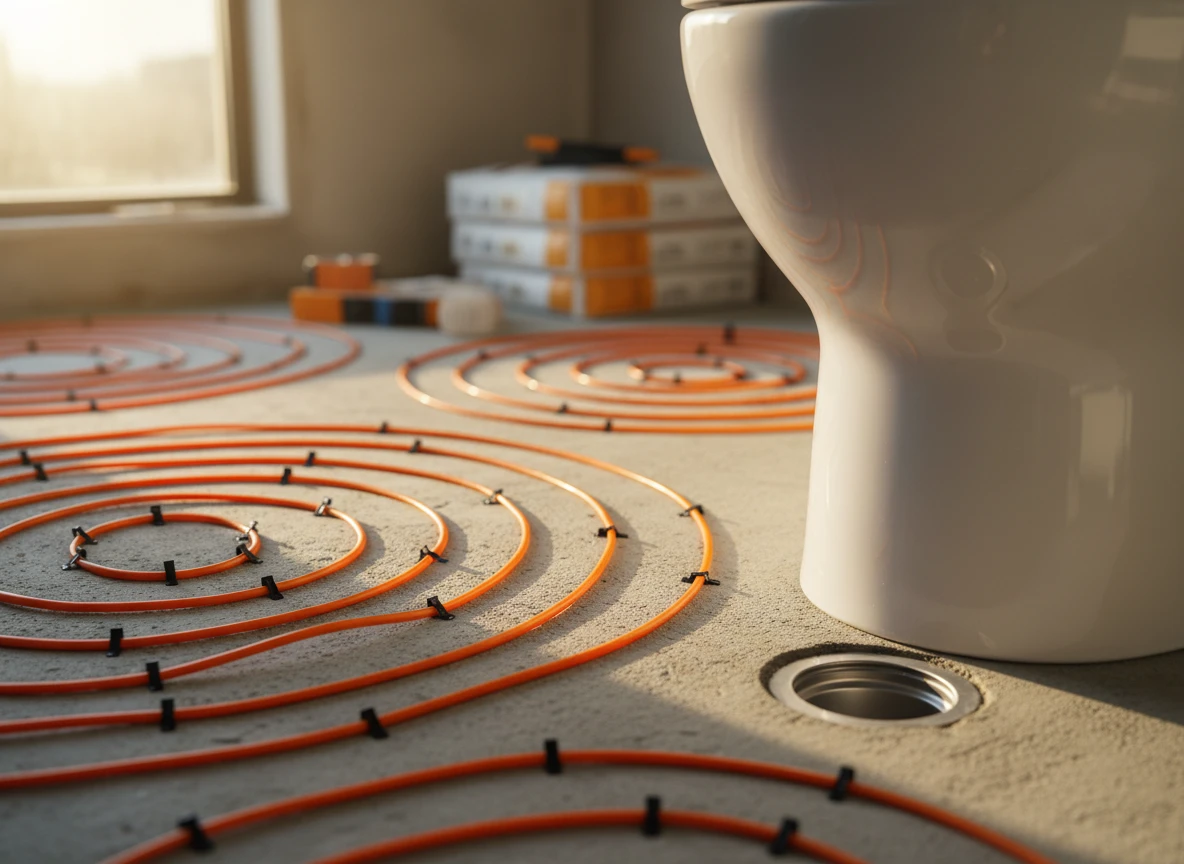
Think of an electric resistance network like a lightbulb. Once buried beneath the screed, the heating elements face virtually zero mechanical wear. Unless they get physically damaged during installation, they run indefinitely. Hydronic floor heating systems are different; they rely on continuous mass transport. Water is a highly reactive solvent, and you have to pump it constantly through hundreds of meters of narrow PEX tubing.
The mechanical complexity of fluid loops
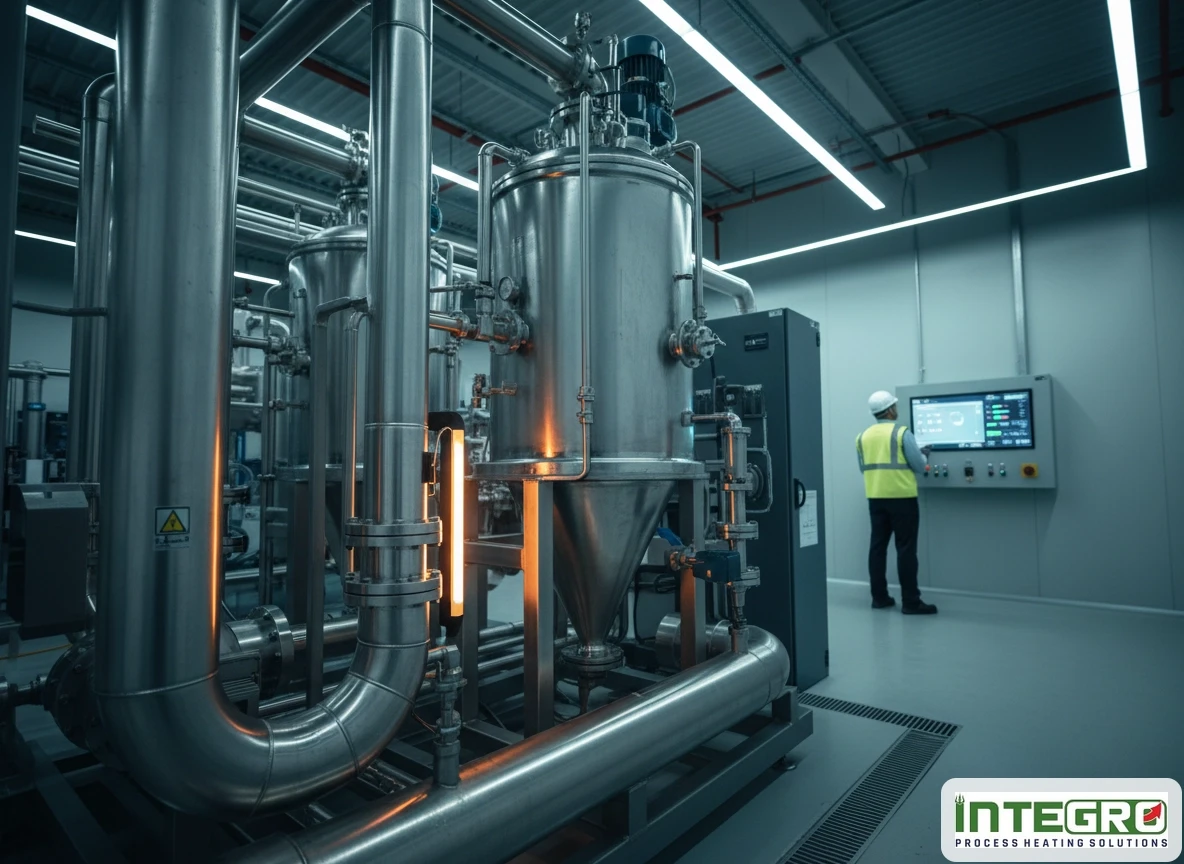
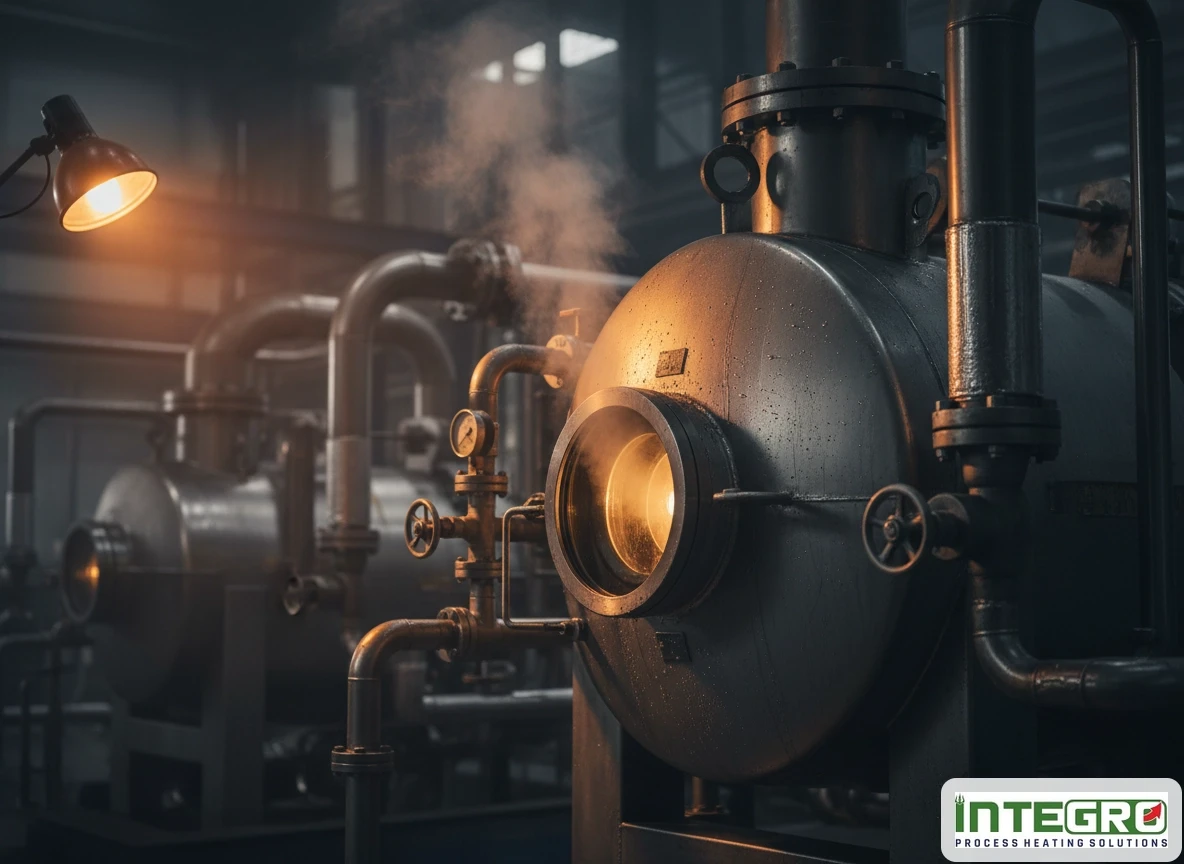
At Integro Process Heating Solutions, we analyze industrial and domestic thermal systems using fluid dynamics and thermodynamics. A hydronic loop invites mechanical and chemical degradation. To move heat, the system must coordinate circulator pumps to overcome hydraulic resistance. It needs mixing valves to regulate temperature, expansion tanks to handle thermal volume changes, and multi-zoned manifolds to balance flow. Every component contains moving parts, dynamic seals, or elastomers prone to wear.
Water also introduces dissolved oxygen and minerals. Over time, this causes magnetite accumulation. This black iron oxide byproduct forms a thick, insulating sludge inside the pipes, choking narrow tube cross-sections and forcing the boiler to work twice as hard for the same thermal output. While modern composite manifolds resist scaling better than old brass units, the metallic heat exchangers in the boiler remain vulnerable to chemical corrosion.
Air bubbles present another headache. As water heats up, dissolved gases escape and form air-locks that stall fluid circulation. Electric systems do not fight these chemical realities. Managing a fluid network requires regular pressure monitoring, chemical water testing, and scheduled purging to prevent system failure.
What's actually going wrong inside neglected hydronic loops
The silent decay of closed-loop fluid systems
Field data shows that over 65% of neglected hydronic systems lose noticeable heating capacity within five years. It's a slow decline. When you maintain underfloor heating systems, the real enemy isn't electrical failure. It's chemical and mechanical decay. Without regular checkups, closed-loop systems fill up with magnetite, iron oxide sludge, and trapped air. These elements slowly choke the system from the inside out.
The chemistry of internal corrosion
Fresh tap water contains dissolved oxygen. This oxygen immediately attacks any ferrous metal inside your boiler and pumps. The resulting chemical reaction creates black iron oxide, or magnetite. As this heavy, metallic dust circulates, it settles in the sharp bends of your PEX tubing and inside the manifold headers, forming a thick, black sludge.
When homeowners troubleshoot radiant floor heating problems, they usually find these sludge blockages. They restrict flow, freeze out specific rooms, and force the boiler to run non-stop just to keep up.
Mechanical wear and fluid dynamics breakdown
Chemistry is only half the battle. Mechanical parts also take a beating from pressure changes and friction. For instance, if an expansion tank loses its nitrogen charge, the circulator pumps will cavitate. This causes noisy operation and destroys the pump bearings. At the same time, balancing valves drift out of calibration, leaving some rooms hot and others freezing.
Whether you are running a home setup or designing large-scale industrial process heating systems, you cannot skip basic maintenance. You need annual fluid testing, inhibitor top-offs, and regular flushes. Skip them, and a highly efficient system quickly becomes an expensive, sluggish mess.
Your step-by-step annual hydronic maintenance protocol
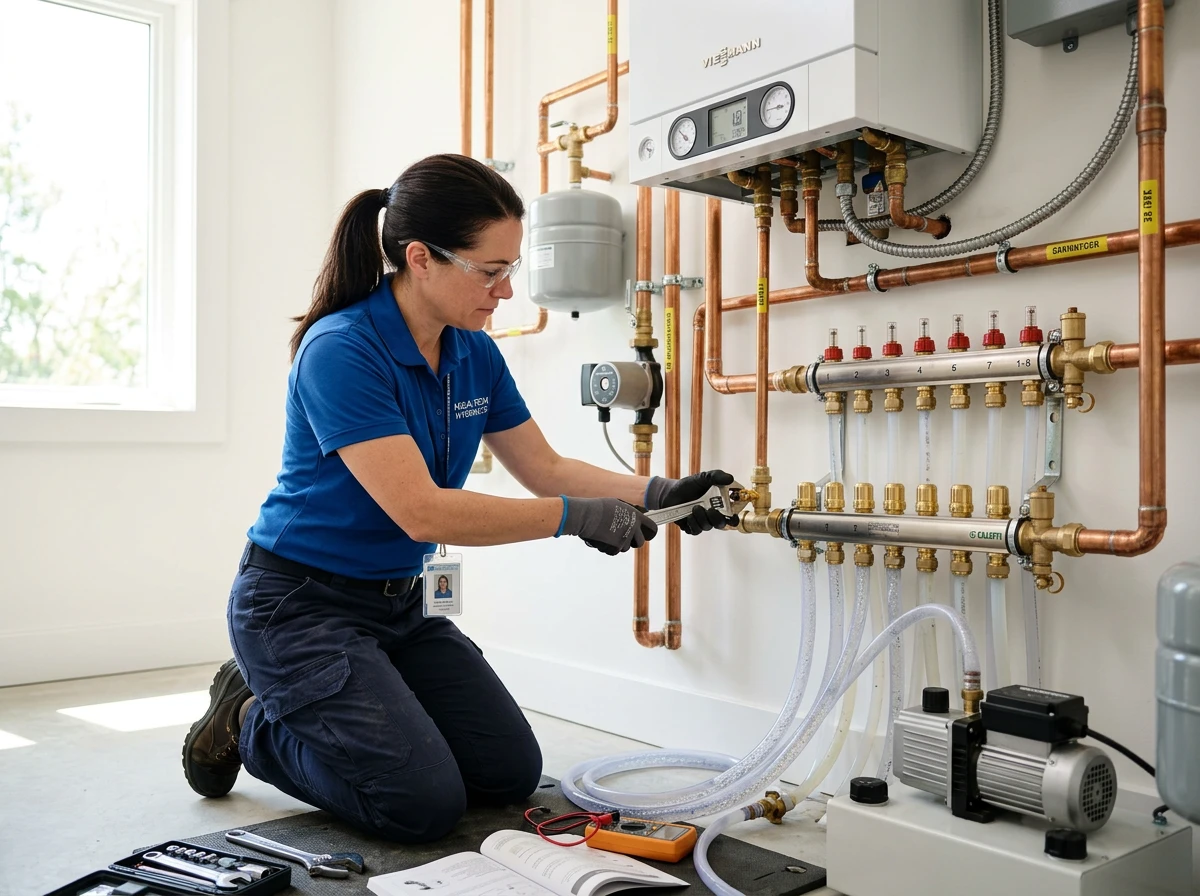
Oxygen, magnetite, and scale are actively trying to destroy your system from the inside out. How do you stop them? You can't just cross your fingers and hope the water stays clean. If you want the setup to last, you need a disciplined, annual hydronic underfloor heating maintenance protocol. This isn't just about keeping your toes warm. It is about protecting a massive mechanical investment.
Step 1: Pressure testing and mechanical inspection
Start with a quick visual check before you turn any valves. Look closely at the PEX manifold joints. See any white, crusty deposits? That is a clear sign of a slow leak.
Next, look at the system pressure gauge. Most residential setups sit steadily between 12 and 15 PSI when cold. If yours drops below 10 PSI, you probably have a leak or a failing expansion tank. You can test this easily. Tap the side of the expansion tank. It should sound hollow on the bottom and dull on the top. If it sounds completely solid, the internal diaphragm has likely ruptured. You will need a replacement.
Step 2: Radiant heat boiler servicing
The boiler does the heavy lifting here. For proper domestic and commercial heating safety, always shut off the power and gas lines before doing any radiant heat boiler servicing work. Clean the burner assembly. Then, inspect the heat exchanger for soot or corrosion. If you buy equipment from commercial underfloor heating suppliers, they will tell you that even a millimeter of scale on the heat exchanger ruins heat transfer efficiency. Finally, test the pressure relief valve to make sure it is not seized.
Step 3: Systematic heating pipe flushing
This part gets messy, but it is where you solve the most common issues. If you notice cold spots across your floors, you probably have trapped air or heavy sediment buildup. You will need to run a targeted heating pipe flushing process.
First, close all loops on your manifold except one. Hook up a hose to the purge valve and flush clean water through that single loop until it runs clear. Do this loop-by-loop. It takes time. Admittedly, some high-end residential systems can run fine for two years without a flush. Still, that is a gamble most mechanical engineers would avoid.
Clean water alone is not enough. You must add a high-quality chemical inhibitor to stop future corrosion. Solid-state electric floor heating systems escape this fluid-based headache entirely, but hydronic loops absolutely require this chemical shield.
Step 4: Flow balancing and calibration
Once the lines are clean and filled, you have to balance the flow rates. Why does one room get boiling hot while another stays chilly? The water is simply taking the path of least resistance through the shortest loops. You can fix this by using the flow meters on your manifold to adjust the gallons per minute (GPM) for each zone. Longer loops need higher flow rates. Shorter loops need to be choked back.
At Integro Process Heating Solutions, we design heavy-duty flexible heating jackets and industrial drum heating chambers or high-efficiency heating chambers to improve heat transfer in commercial environments. The exact same precision applies to a standard residential setup. Whether you work with specialized underfloor heating system exporters or manage a domestic installation, keeping flow rates balanced and heat transfer surfaces clean is what keeps operating costs low and floors warm.
Essential diagnostic tools for fluid-based heating
Tools that eliminate hydronic guesswork
Executing a proper maintenance checklist requires specialized physical gear. Guesswork in fluid dynamics is a recipe for ruined floors. You don't want to make assumptions when dealing with water under pressure. You need exact data to diagnose issues before they cause system lockouts.
Thermal imaging cameras
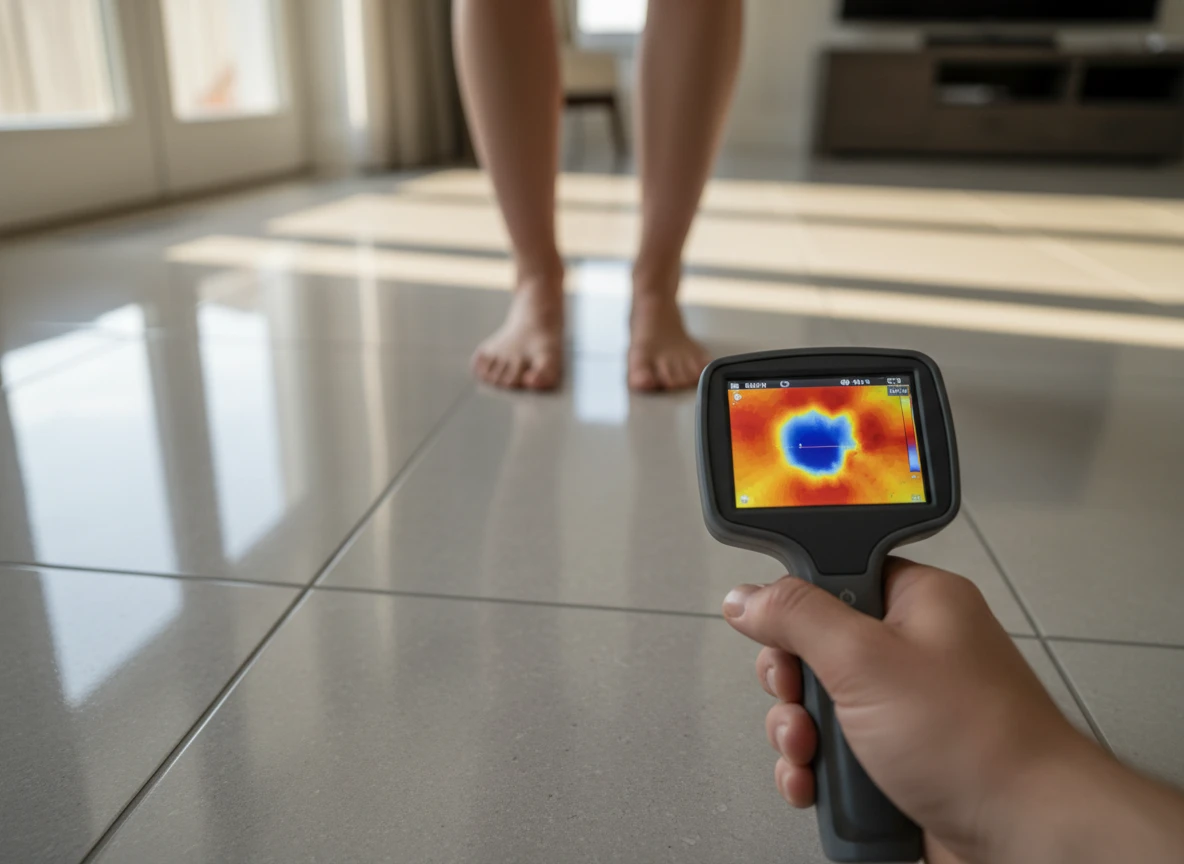
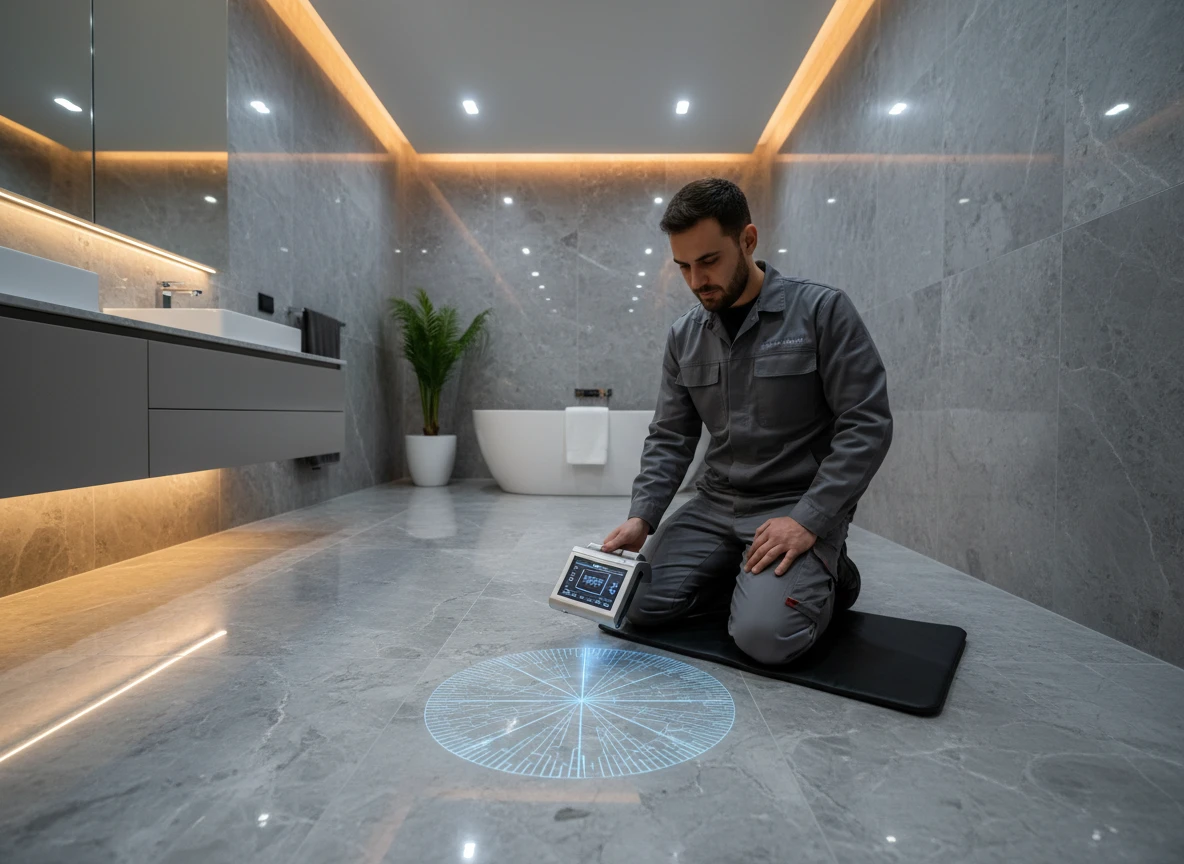
A high-resolution infrared camera is your most valuable diagnostic tool. It reveals the exact layout of the buried PEX pipes. More importantly, it highlights localized cold spots where sludge has choked the flow. While electric floor heating systems show immediate electrical faults, hydronic loops decay slowly. Infrared scans show this decay before the room goes cold.
Optical refractometers
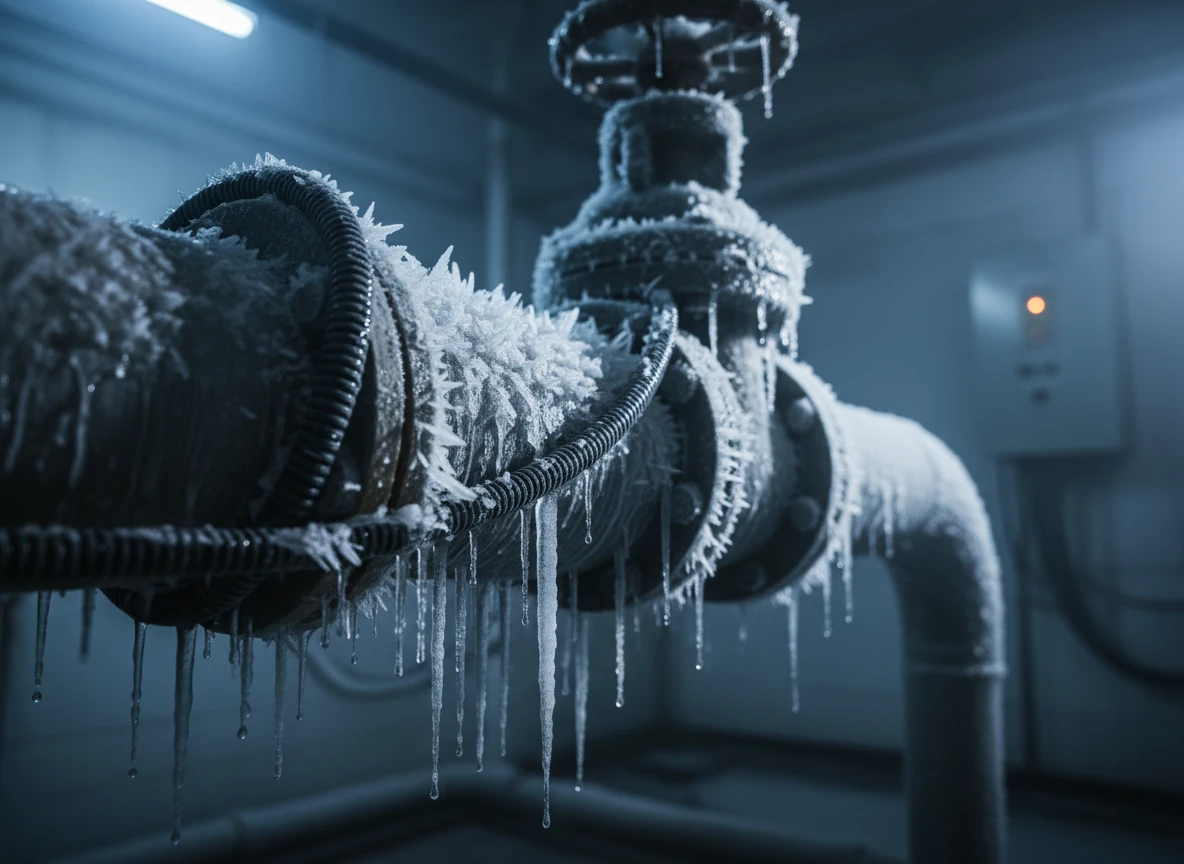
Do not use cheap hydrometers to test your system's glycol level. They are highly inaccurate and temperature-sensitive. An optical refractometer measures the light refraction of the fluid to determine the exact freeze protection limit. Incorrect glycol concentration causes pump wear or, worse, pipe bursts in freezing weather.
Water chemistry test kits
Water quality dictates the lifespan of your boiler. You must use digital pH pens and chemical test strips to monitor water parameters. High acidity eats away at metal components, while hard water deposits scale. At Integro Process Heating Solutions, we understand that fluid management is the foundation of system longevity. Whether you are running complex domestic and commercial heating loops or maintaining industrial drum heating jackets, unmonitored fluid chemistry leads to failure.
Calibrated pressure rigs
When executing under floor heating repairs, you cannot rely on the boiler's built-in pressure gauge. You need a dedicated, calibrated hydrostatic test pump. This tool isolates loops and pumps them to 1.5 times the operating pressure to verify structural integrity. If you suspect a leak in your underfloor heating systems, this test is the only way to find it. We use similar high-pressure verification protocols when manufacturing our industrial thermal equipment, including custom insulated heating jackets.
Digital flow meters
Mechanical rotameters on PEX manifolds often cloud over with magnetite, making them unreadable. A portable digital ultrasonic flow meter clamps onto the pipe exterior. It measures actual fluid velocity in real-time. This allows you to balance loop flow rates with absolute precision, ensuring even heat distribution across every zone.
The critical service errors that can ruin your boiler
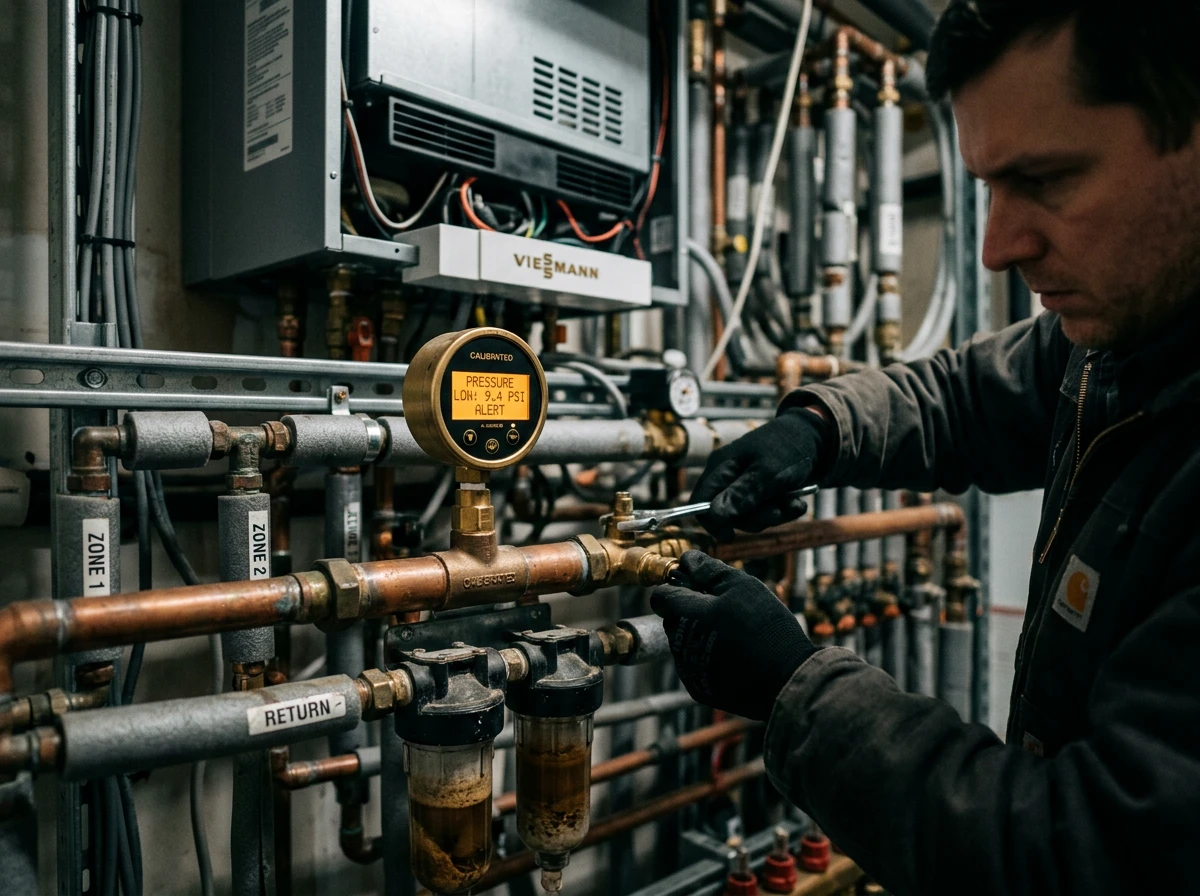
The high cost of well-intentioned maintenance mistakes
Imagine coming home on a freezing January evening to a dead silence in your mechanical room, followed by a sudden, metallic clanking. You go downstairs to find your boiler pressure gauge pinned to the red zone, water dripping from the relief valve. In a panic, you recall reading that a quick DIY flush solves most radiant floor heating problems. You hook up a utility hose, dump in a harsh, uninhibited chemical cleaner, and blast raw city water through the loop. Within forty-eight hours, the dislodged iron oxide scale migrates directly into the boiler's narrow heat exchanger channels, creating localized hot spots that crack the cast-iron block.
This scenario is surprisingly common. Aggressive, unmonitored chemical flushes often do far more damage than the gradual buildup they are meant to cure. When you strip scale too rapidly without proper neutralizing agents, you risk piercing aged heat exchangers and ruining sensitive zone valves. And without a professional flush rig, you'll likely leave pockets of chemical residue behind to slowly eat away at the system's copper fittings.
At Integro Process Heating Solutions, we analyze thermal systems of all scales. While our industrial division designs rugged insulated heating jackets and custom drum heating jackets for complex manufacturing setups, we know the thermodynamics of domestic and commercial heating loops require the same level of chemical precision.
Another critical error is ignoring minor pressure swings. If you notice your system pressure fluctuating wildly when the boiler fires up, your expansion tank is likely waterlogged or losing its air pre-charge. Leaving this unaddressed forces the pressure relief valve to open, dumping water. When the system cools down, the auto-feed valve draws in fresh, oxygen-rich make-up water to compensate. This constant influx of fresh water introduces new oxygen, driving rapid internal corrosion and magnetite sludge formation.
Unlike solid-state electric floor heating systems that run with almost zero mechanical oversight, hydronic heating maintenance is an active science. Skipping annual fluid testing or failing to balance loop flow rates after a minor repair leads to severe thermal imbalances. It's common for a boiler to start short-cycling, burning more fuel while failing to deliver consistent warmth. This doesn't always trigger an immediate system shutdown, but it's a slow path to mechanical failure. Treat your hydronic loop as a delicate chemical asset, not just a plumbing fixture.
The long-term math: is the maintenance effort worth the payback?
The cold hard numbers behind the fluid loop
Data from multi-zone installations shows that running electric resistance cables for primary heating in a 2,500-square-foot home can cost up to 400% more per month than operating a hydronic system paired with a high-efficiency condensing boiler or geothermal heat pump. While those electric floor heating systems require virtually zero upkeep, the operational premium quickly outpaces the cost of annual hydronic maintenance.
If you're paying $250 annually for professional fluid testing and manifold balancing, you'll still find that hydronic systems pay for themselves within five to seven years in cold climates. At Integro Process Heating Solutions, we design heavy-duty thermal systems, and we know that managing fluid dynamics pays dividends over solid-state resistance when scaling up. For large-scale domestic and commercial heating setups, hydronic is simply the more sensible choice for your wallet.
Of course, this math doesn't always scale down perfectly for a single small guest bathroom. For isolated, low-use zones, electric floor heating solutions are far more practical because you don't need a complex mechanical room. But once your heated footprint exceeds 1,000 square feet, the thermodynamic efficiency of circulating warm water offsets the maintenance headaches. It's similar to how industrial facilities manage bulk heat; they don't rely on simple space heaters when a centralized thermal loop can distribute energy far more efficiently. Even when we engineer specialized flexible heating jackets for industrial vessels, the focus is always on matching the technology to the thermal mass.
If you're willing to commit to the annual water quality checks, the physical comfort and energy savings of water-based systems are hard to beat. The real question is whether you have the discipline to schedule that yearly service before the first freeze hits.
Tired of dealing with complex thermal loops? Integro Process Heating Solutions delivers engineered heating solutions that keep your industrial operations running efficiently.
Frequently Asked Questions
Why does hydronic floor heating require more maintenance than electric systems?
Hydronic systems rely on closed-loop fluid networks with moving parts like pumps and valves. Over time, water chemistry changes and oxygen exposure cause corrosion and sludge buildup, whereas electric systems use solid-state cables with zero moving parts.
What causes cold spots in radiant floor heating loops?
Cold spots usually happen when magnetite and iron oxide sludge accumulate inside narrow pipe sections. This debris restricts water flow, forcing your boiler to work harder while delivering uneven warmth across the floor.
How often should you flush a hydronic heating system?
Most systems need an annual check of fluid parameters and pressure tests. A full chemical flush isn't always necessary every single year, but you'll want to test the water quality regularly to catch corrosion before it ruins your boiler.
Can you handle hydronic floor heating repairs on your own?
Honestly, most homeowners shouldn't mess with boiler servicing or loop balancing without professional tools. Using the wrong chemical flush can accidentally damage sensitive valves or pierce aged heat exchangers.