- By Admin
- Integro
- The winter dry air myth and your floors
- Does floor heating actually dry the air?
- Why does my bathroom feel dry if the floor isn't causing it?
- How radiant heat protects your home's air quality
- Let's look at the actual physics of forced-air vs radiant systems
- What happens to your hardwood and tile under radiant warmth?
- Keeping your winter home warm and comfortable
- FAQ
The winter dry air myth and your floors
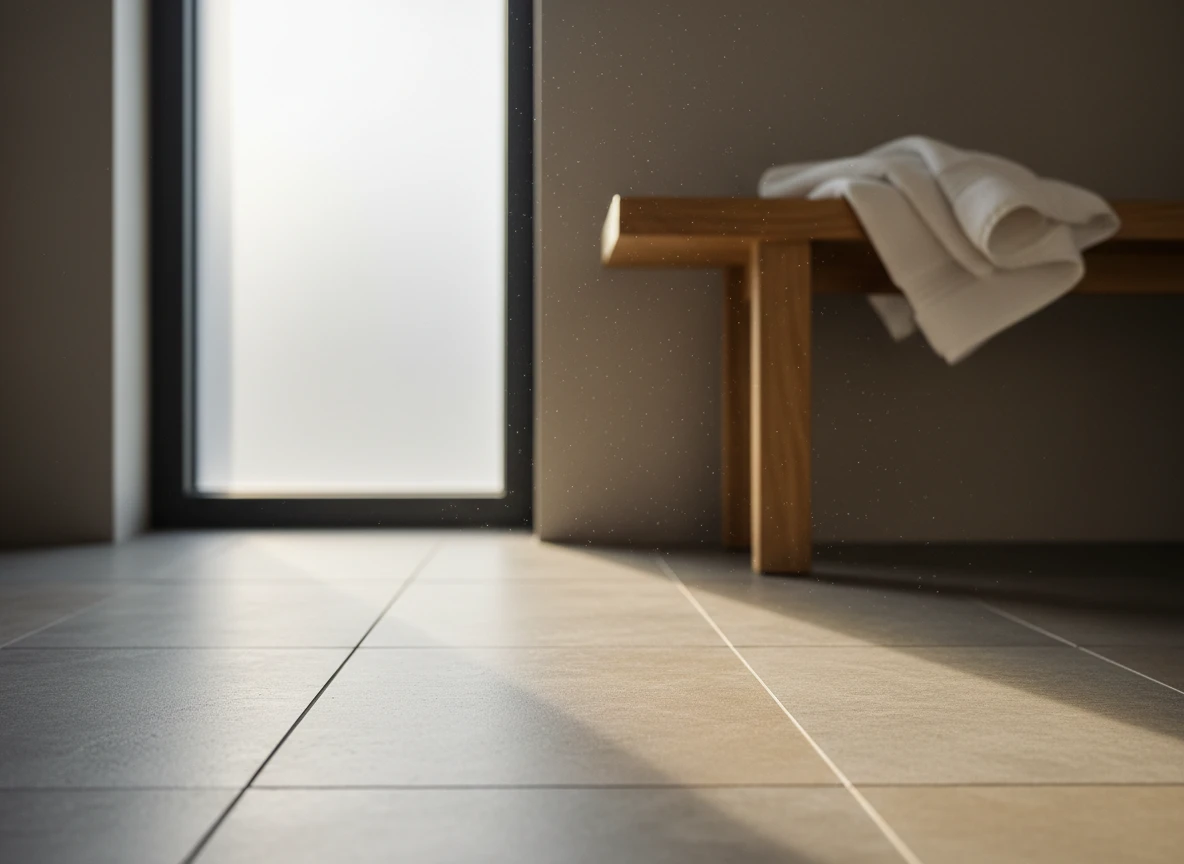
Why do your eyes feel like sandpaper the moment you turn on the heat in December? Most people instantly blame their heating source. They assume that laying down electric floor heating systems will only bake the moisture right out of their living spaces. But that's actually a fundamental misunderstanding of thermal dynamics.
As technical professionals at Integro Process Heating Solutions, we analyze heat transfer daily. The reality is that cold outdoor air naturally holds very little water vapor. When that cold air leaks inside and warms up, its relative humidity plummets. Forced-air furnaces actively aggravate this dry environment by throwing aggressive, high-temperature air currents through your rooms, which rapidly evaporates moisture from your skin and wooden floors.
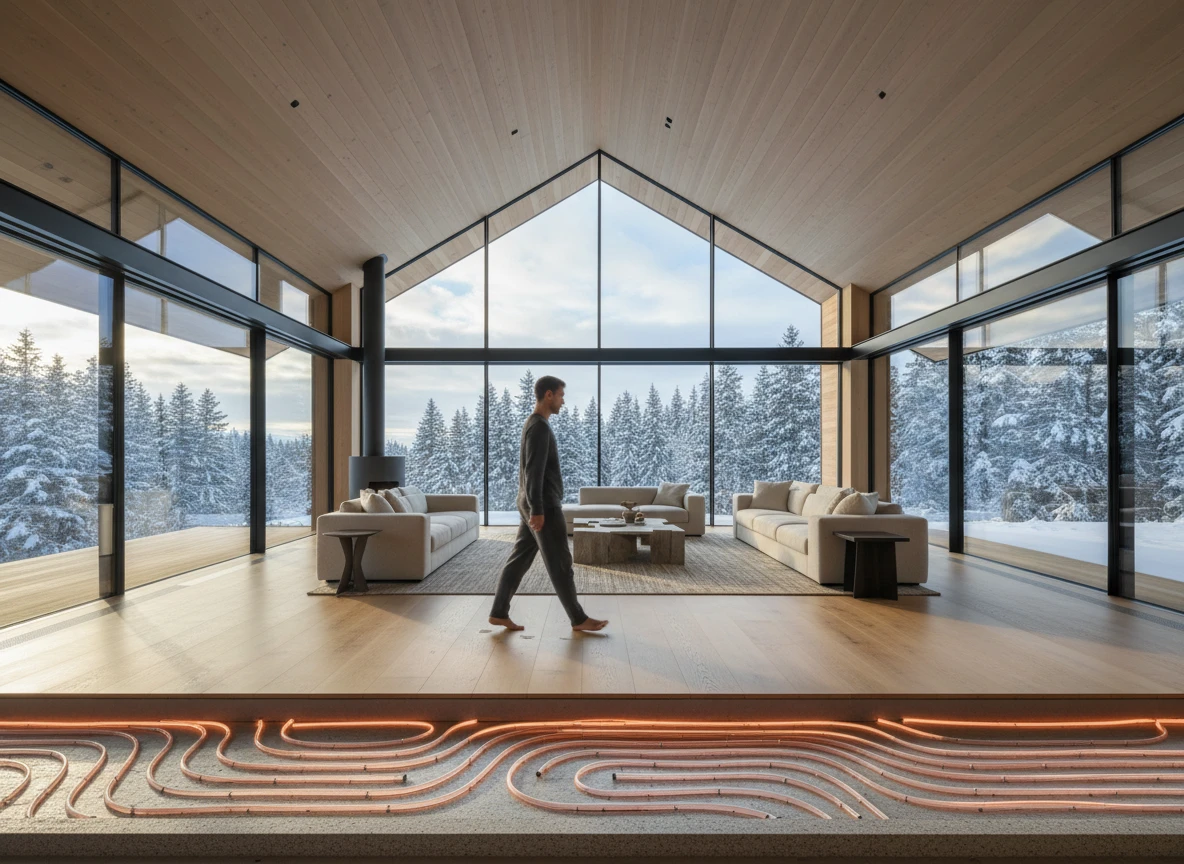
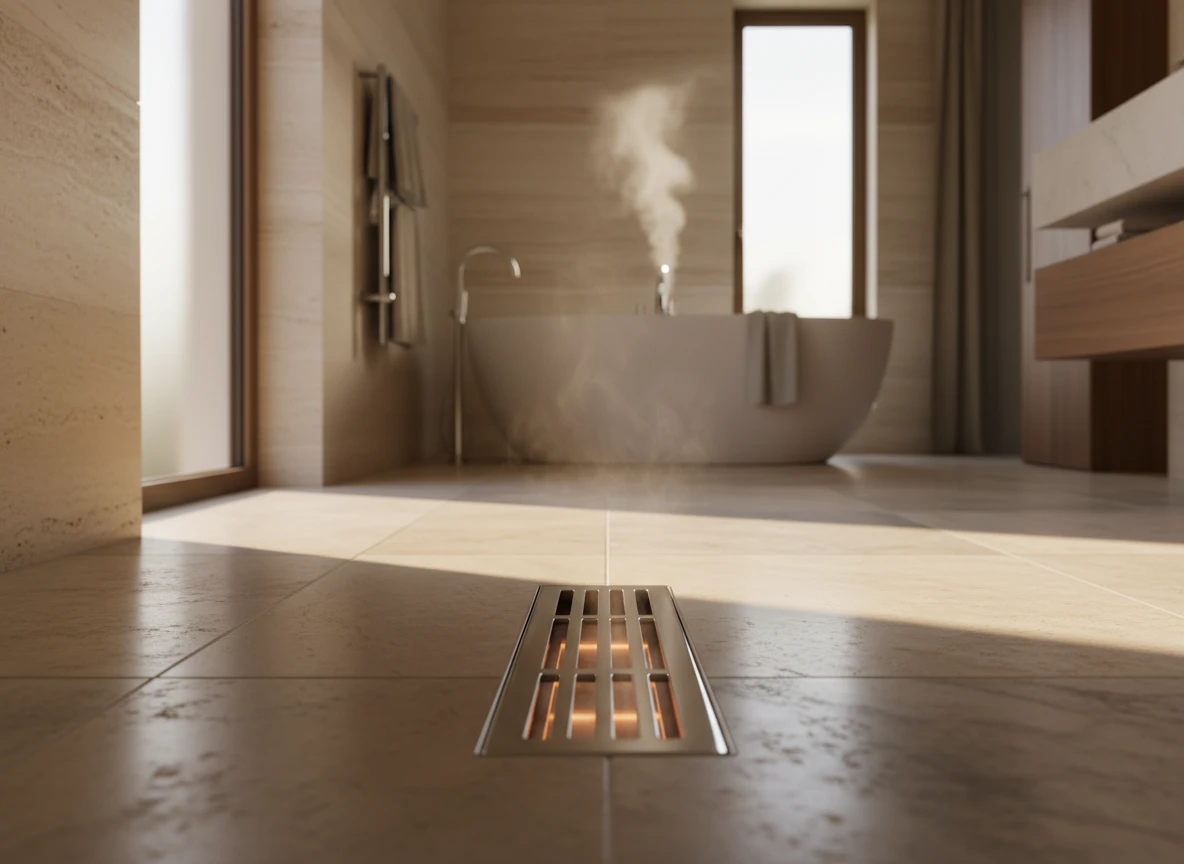
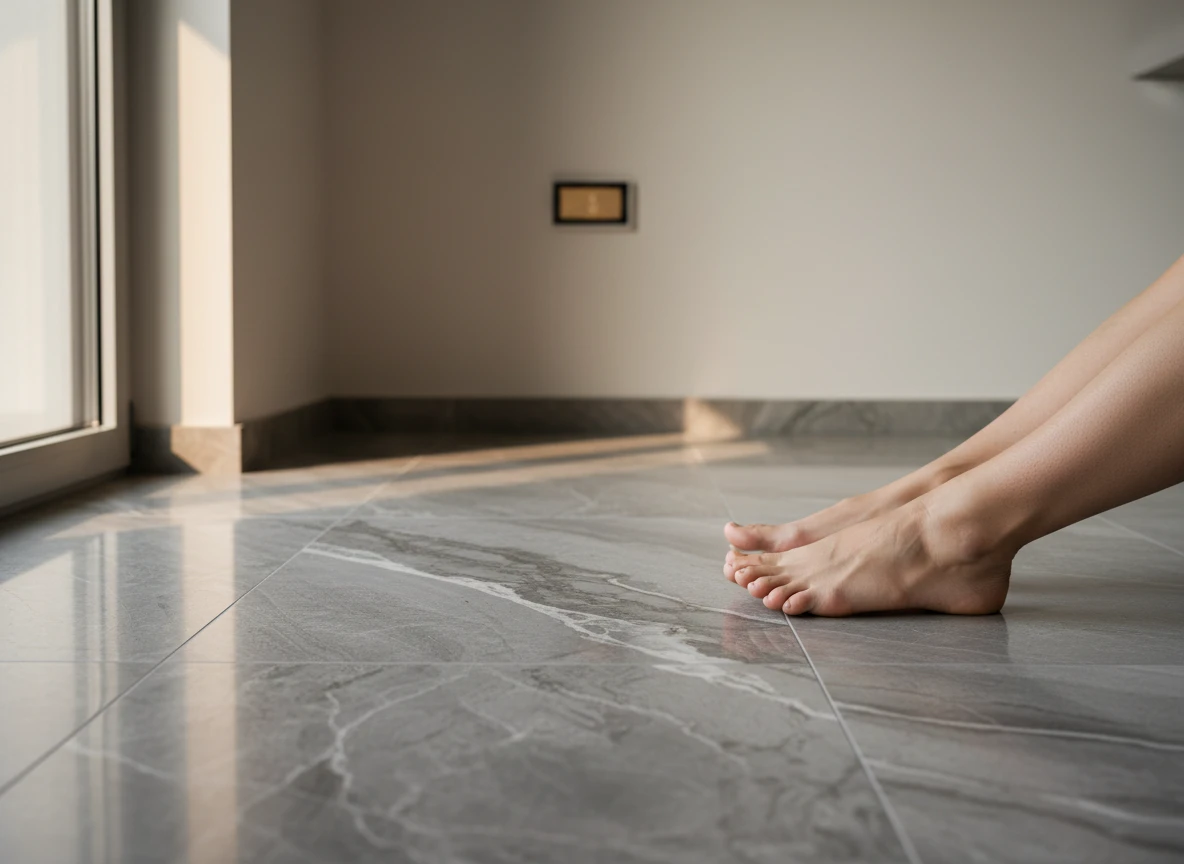
Does floor heating dry the air? Simply put, no. Radiant underfloor heating systems operate on a completely different physical principle. Instead of blowing hot, dry air, they emit gentle thermal radiation that warms objects and people directly. Because the air itself isn't being forced through a scorched metal heat exchanger, the absolute moisture content in your home remains completely untouched.
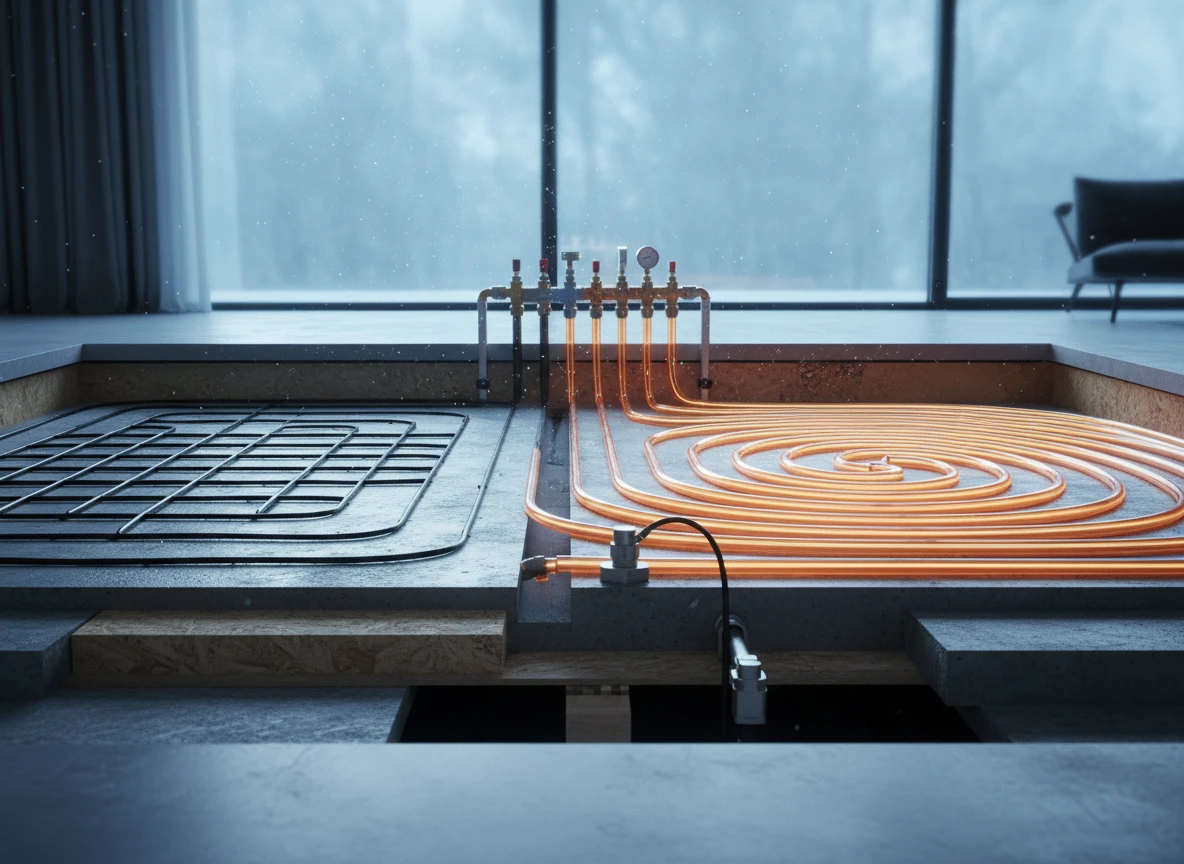
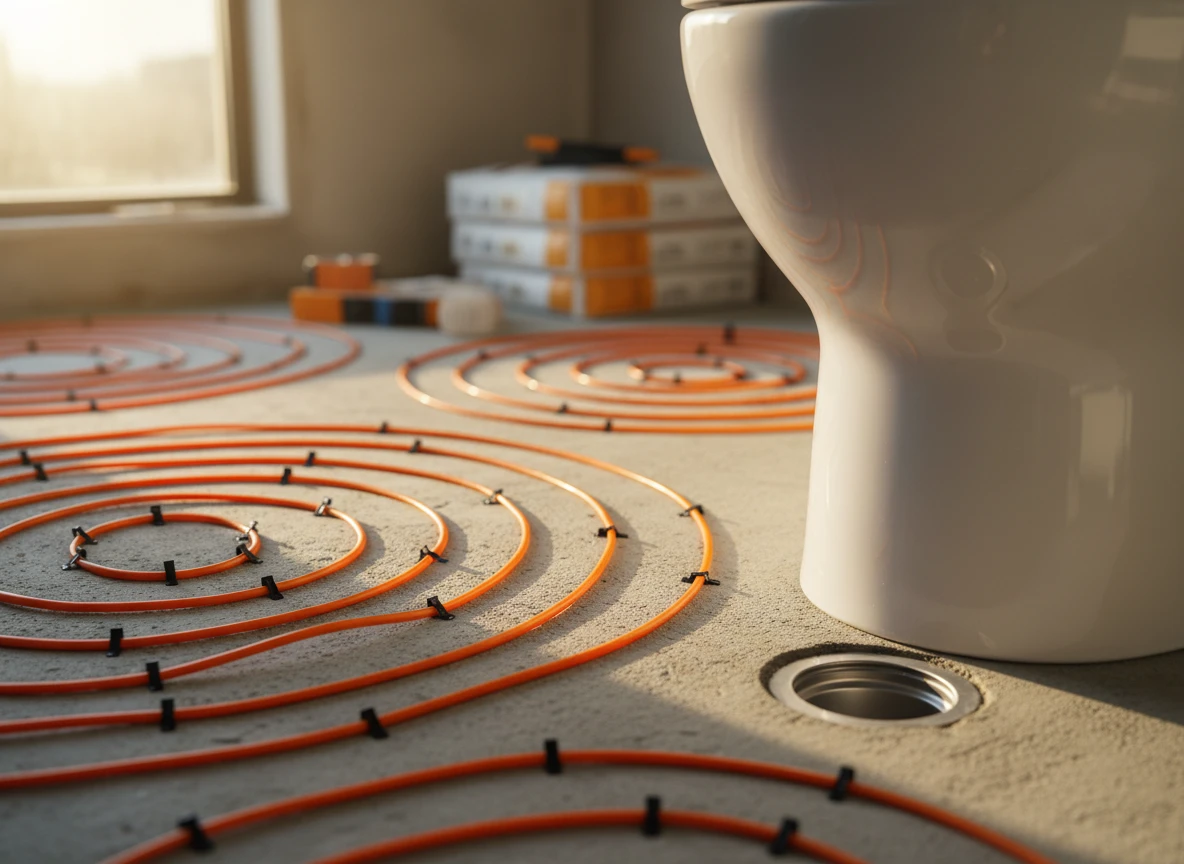
This gentle approach is particularly beneficial for hardwood and tile. While traditional forced-air systems dry out wood unevenly,causing ugly gaps,radiant heat maintains a stable thermal equilibrium. Of course, this doesn't mean your home will be perfectly humidified by default; leaky windows and poor ventilation will still let dry winter air creep in. But choosing electric floor heating over convective alternatives ensures you aren't actively making the problem worse. When planning these installations, understanding the physical layout is key, especially when comparing different floor heating systems to see how they handle heat transfer.
Does floor heating actually dry the air?
Physical science behind the moisture myth
A standard room at 20°C with 50% relative humidity holds exactly 8.6 grams of water vapor per cubic meter of air. Bump that temperature up to 24°C without adding moisture, and relative humidity drops to 40%. The water didn't vanish. Warmer air just has a higher capacity to hold it. But how you deliver that heat determines whether your skin and sinuses actually feel the difference.
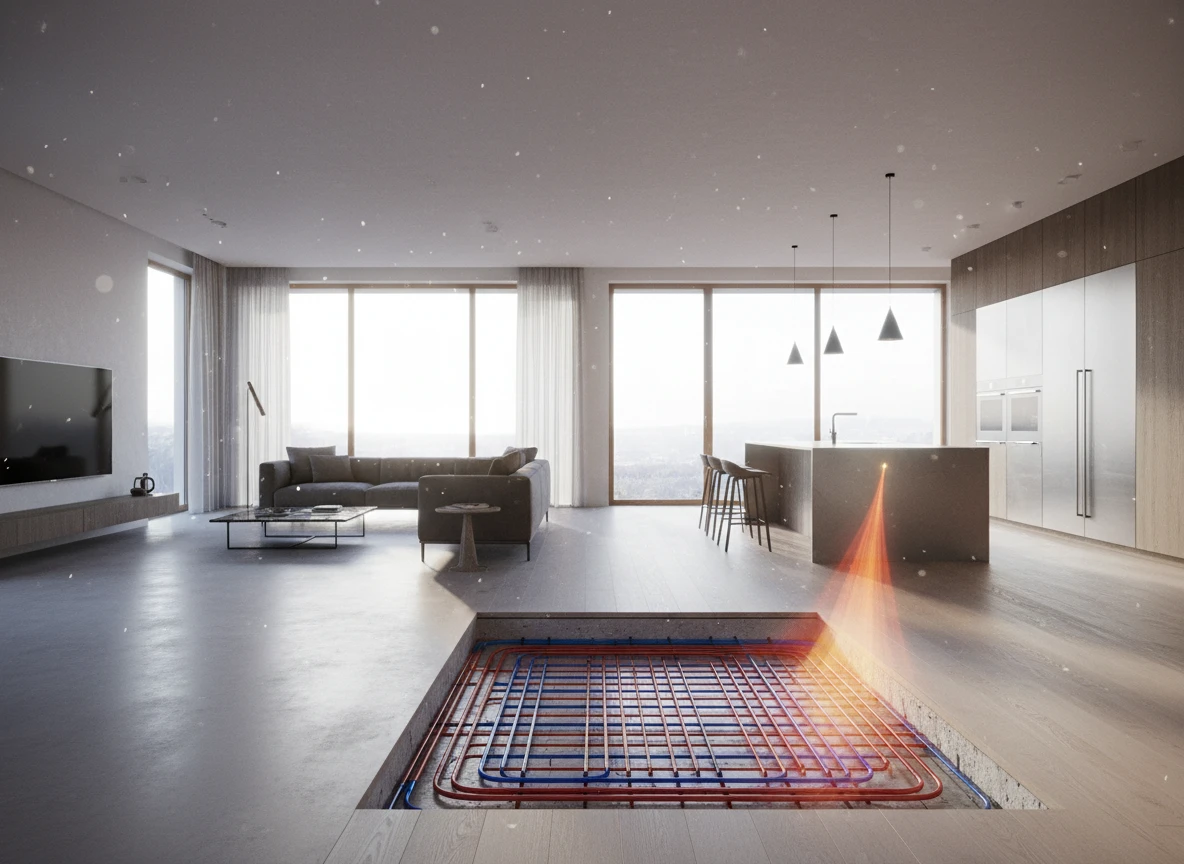
Forced-air systems blast dry, fast-moving currents across your skin. This rapid air movement accelerates evaporation, leaving you with winter itchiness and static shocks. Radiant systems work differently. An underfloor heating system warms the floor, furniture, and people directly. No blowing air. No dry drafts. Because there is no fan pushing air around, the absolute moisture content in the room stays exactly the same.
At Integro Process Heating Solutions, we analyze thermal dynamics for both industrial and residential setups. Radiant warmth keeps indoor climates remarkably stable. For example, installing electric floor heating systems under bathroom tile warms the space while letting ambient humidity stay within the healthy 45% to 55% range. Hardwood floors also do better with this steady heat, avoiding the aggressive drying cycles that make wood shrink and warp.
Of course, house construction matters. If your home leaks air, cold outdoor drafts will seep in and tank your humidity regardless of how you heat the space. Blaming your floor cables for dry eyes is usually a misdiagnosis of a ventilation problem.
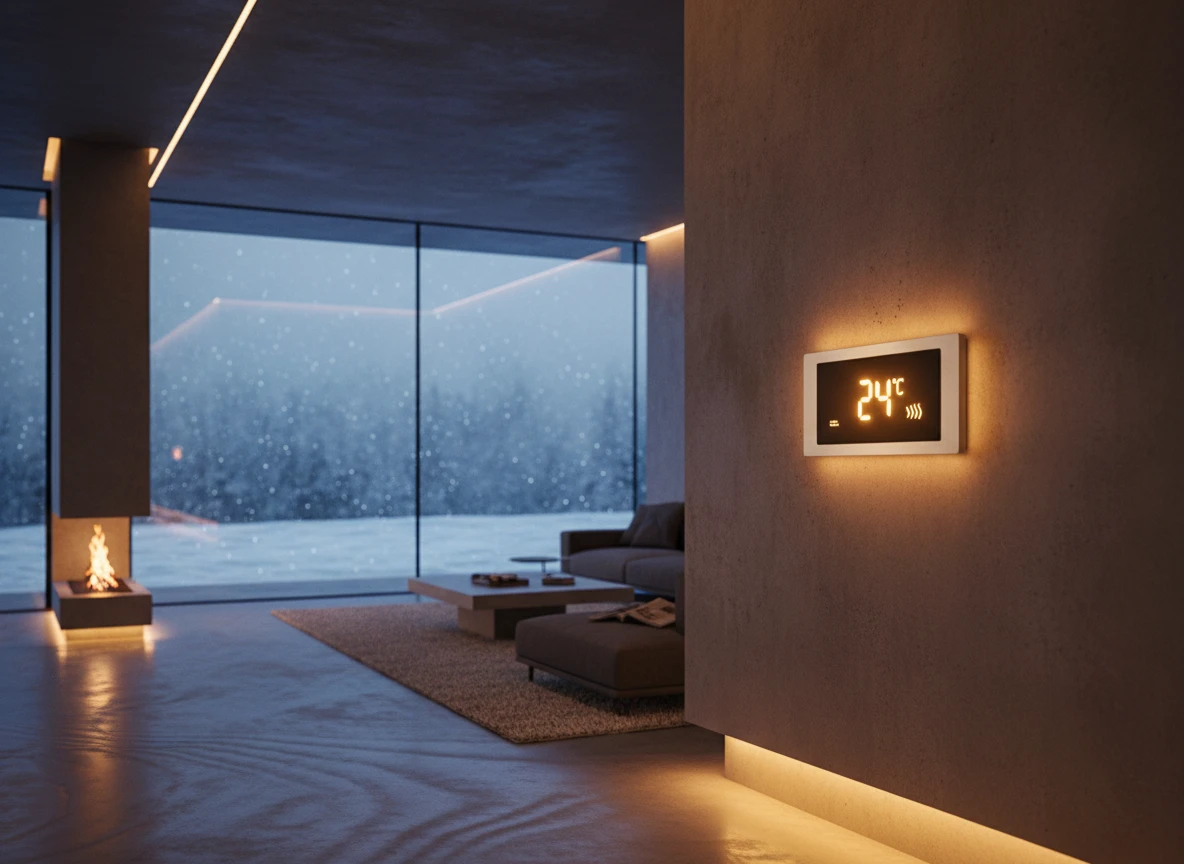
Radiant heating lets you keep the air temperature slightly lower while feeling just as warm. This preserves the natural moisture balance of your room. It's a quiet, draft-free way to handle the winter cold.
Why does my bathroom feel dry if the floor isn't causing it?
The cold air infiltration trap
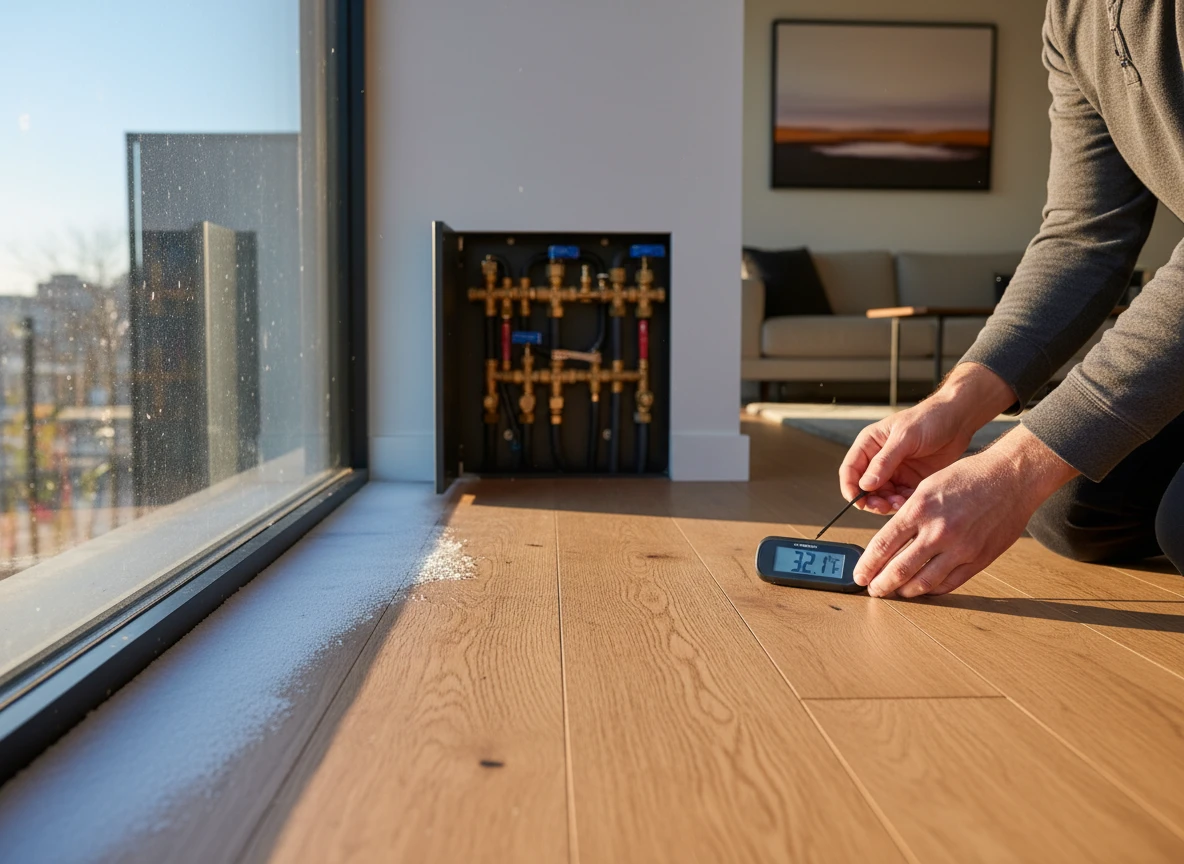
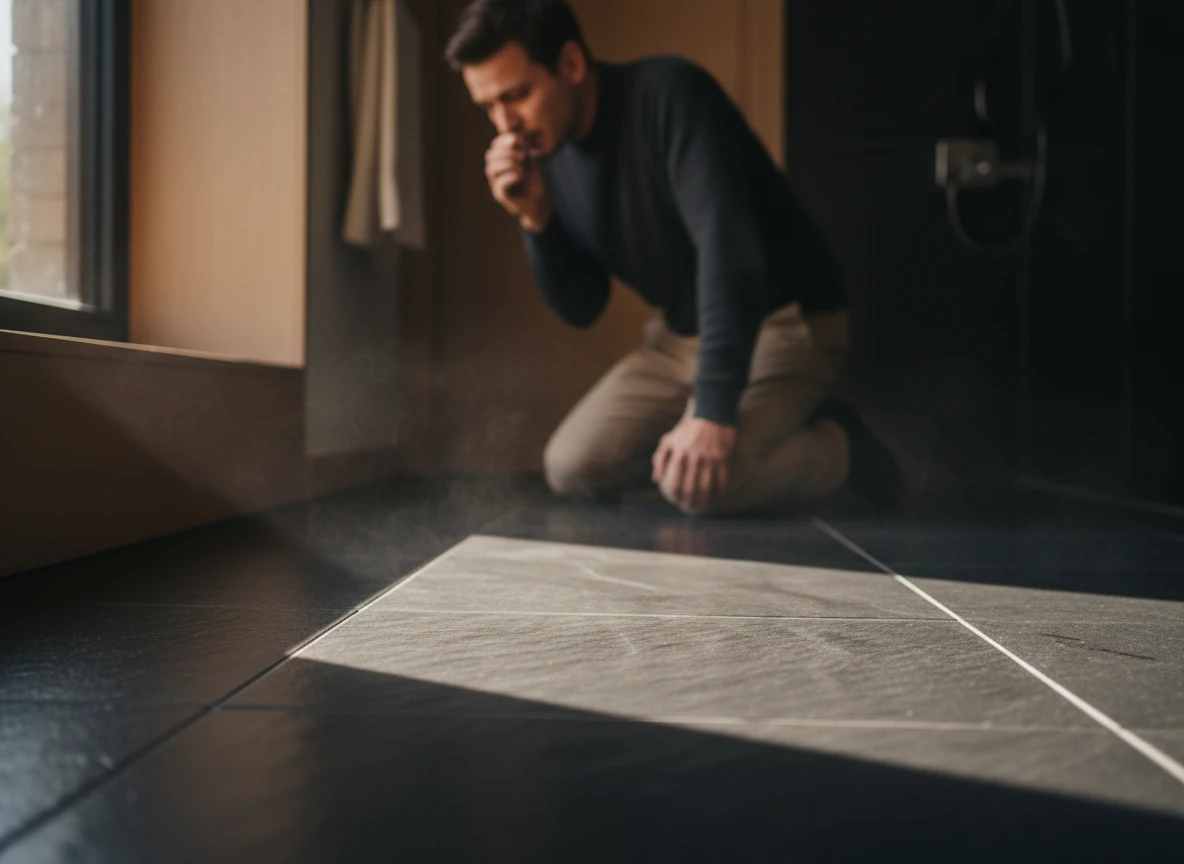
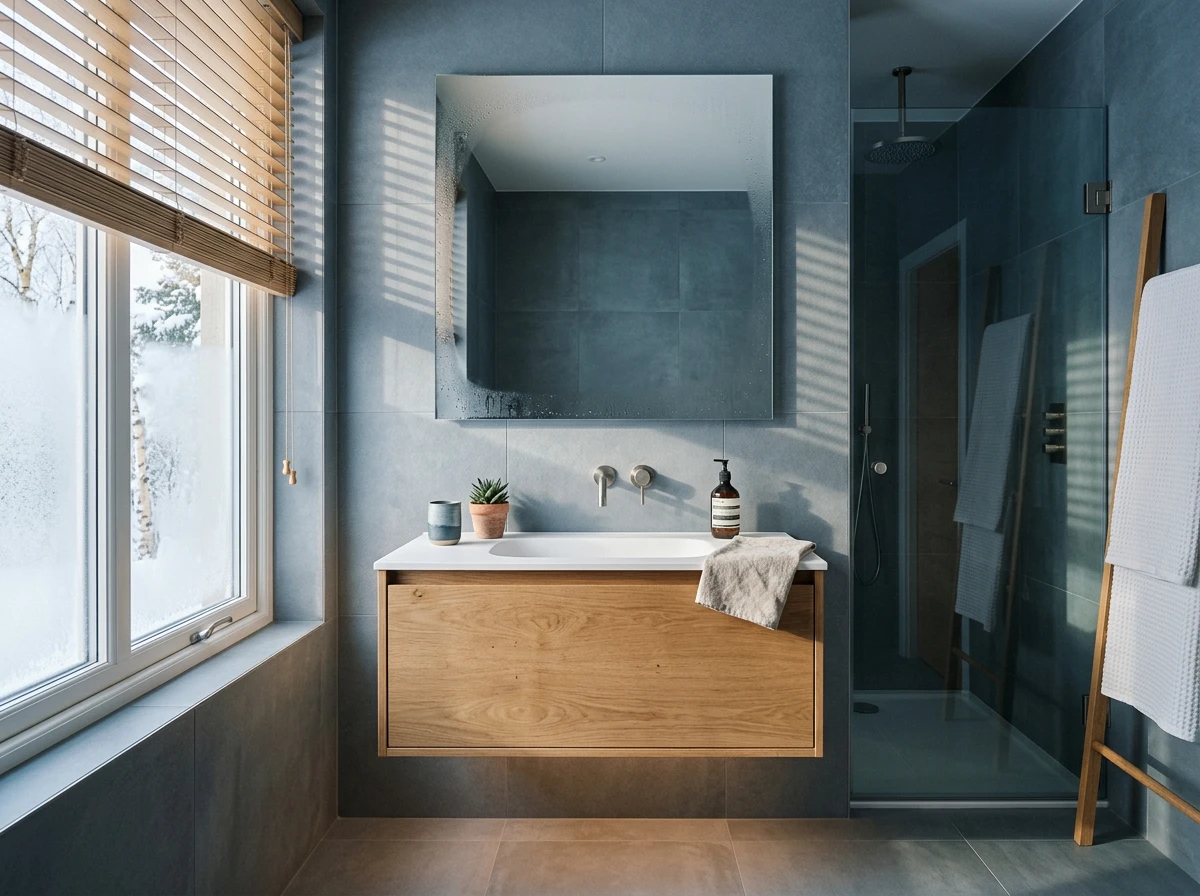
Imagine stepping out of a steaming shower on a freezing January morning. Your feet land on wonderfully warm tiles. It feels amazing. But within minutes, your face feels tight and you notice dry, flaky patches on your skin. It's easy to blame the floor heating. We naturally assume radiant warmth is actively sucking moisture from our bodies. But that's just a classic case of correlation without causation. The real culprit behind those bathroom floor heating dry skin complaints isn't the thermal elements under your feet. It's the invisible movement of winter air.
Here is what's actually happening. Cold winter air holds almost no moisture. When this freezing air sneaks into your home through tiny gaps around windows or under doors—a process called infiltration—it warms up fast. As its temperature rises, its capacity to hold water shoots up. This causes its relative humidity to plummet. Now, think about your bathroom exhaust fan. You turn it on to clear out the shower steam, but you're actually speeding up the dry-out. The fan expels the moist air, creating a pressure drop that sucks bone-dry outdoor air straight into the room.
At Integro Process Heating Solutions, we spend our days analyzing thermal dynamics in both industrial plants and family homes. The physics don't change. Radiant heat from a modern underfloor heating system simply doesn't strip moisture from the air. It can't. Unlike forced-air systems that blast dry, high-velocity currents across your skin, radiant panels just warm the physical structures of the room. If your bathroom feels like a desert, don't blame your heat source. Look at your ventilation rate and how well your home is sealed.
To fix this, make sure you aren't over-ventilating. You need some fresh air to prevent mold, of course, but sealing up major drafts will help keep your indoor humidity in that comfortable 40% to 60% sweet spot. If you're troubleshooting uneven temperatures alongside the dry air, understanding how hydronic radiant floor heating balances localized climates can help clarify how air moves through your space. Ultimately, keeping your skin hydrated in winter comes down to managing air leaks. Don't turn off your under-floor heating elements—just seal up the cracks.
How radiant heat protects your home's air quality
The fluid dynamics of indoor air quality
Infiltration drags dry winter air indoors. But how we distribute heat determines if that air stays breathable or becomes a dry, allergen-heavy mess. Forced-air systems rely on high-velocity convection. These fast-moving air currents entrain dust, mold spores, and pet dander, keeping them suspended in your breathing zone. It is a constant cycle of particulate suspension. Your eyes and lungs pay the price.
radiant floor heating systems work differently. They use electromagnetic infrared waves. At Integro Process Heating Solutions, we analyze these setups through a strict thermodynamic lens: radiant energy warms solid objects directly rather than heating the entire air mass first. No fans. No forced currents. Dust stays on the floor where it belongs. It won't stop you from tracking dirt inside, but this draft-free environment offers real under floor heating health benefits for anyone dealing with asthma or allergies.
Maintaining relative humidity between 40% and 60% is much easier without convective disruption. Forced-air systems dry out your skin and mucous membranes because rapid air movement accelerates evaporation. An engineered underfloor heating system keeps floor temperatures moderate, usually between 25°C and 28°C. This preserves the room's natural moisture balance. Gentle, even heat transfer prevents the sharp temperature gradients that create drafty, dry air pockets.
It does not matter if you choose electric radiant floor heating systems or hydronic setups. The lack of forced air movement stops that localized "drying out" sensation typical of drafty homes. Our engineers at Integro, a leading name among exporters of underfloor heating systems, design these layouts for balanced thermal distribution. We apply this same precision to industrial applications too, manufacturing everything from flexible heating jackets to custom commercial thermal setups.
Working with established exporters of underfloor heating system hardware ensures you get stable, dust-free warmth that leaves your indoor humidity intact. It is a quiet, simple way to keep winter dryness at bay.
Let's look at the actual physics of forced-air vs radiant systems
The thermodynamics of moisture preservation
Forced-air systems rely entirely on convective heat transfer. The furnace heats air to high temperatures and violently blows it into your rooms. This rapid air movement accelerates evaporation from your skin, making the space feel dry and drafty. It is an inefficient, uncomfortable way to heat a home. You are essentially living inside a giant hair dryer that continuously strips moisture from your body and your furniture.
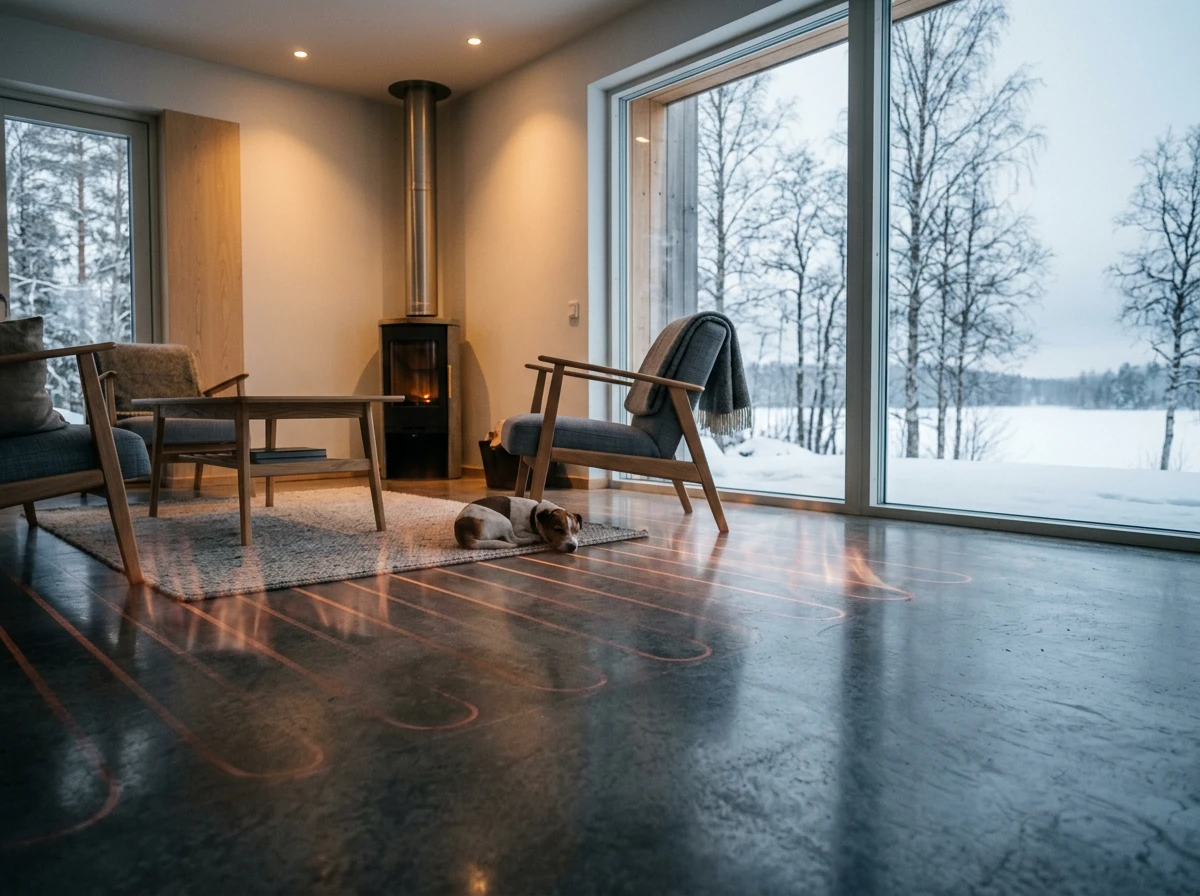
By contrast, radiant floor heating systems work through electromagnetic infrared waves. They warm objects and people directly without disturbing the air currents. Because there is no moving air, the absolute moisture content of your room remains completely stable. You do not get the dry skin, itchy throat, or static shocks associated with forced ventilation.
Traditional radiators occupy a bad middle ground. They create intense, localized hot spots that drive rapid convection currents up to the ceiling, leaving your feet cold and your head hot. They rely on heating a small metal surface to high temperatures,often over 60°C. To implement efficient domestic and commercial heating, you need even heat distribution. That is why electric floor heating outperforms them. It operates at low, gentle surface temperatures, preventing the aggressive moisture-stripping cycles common to radiators.
At Integro Process Heating Solutions, we see these exact physics at play in industrial environments. When we design a large heating chamber or custom insulated heating jackets, blowing hot air is rarely the best option because it dries out sensitive materials unevenly. Instead, we use direct contact or radiant solutions like drum heating jackets or an IBC heating jacket to maintain precise thermal control. These industrial applications prove that radiation is superior for maintaining moisture stability.
The exact same thermodynamic principles apply to your home. Forced-air is a crude system that compromises your indoor air quality. If you want stable humidity and warm floors, modern floor heating solutions are the only logical choice. They preserve the ambient moisture balance because they simply do not use air as a transport medium for heat.
What happens to your hardwood and tile under radiant warmth?
The structural response of wood and stone
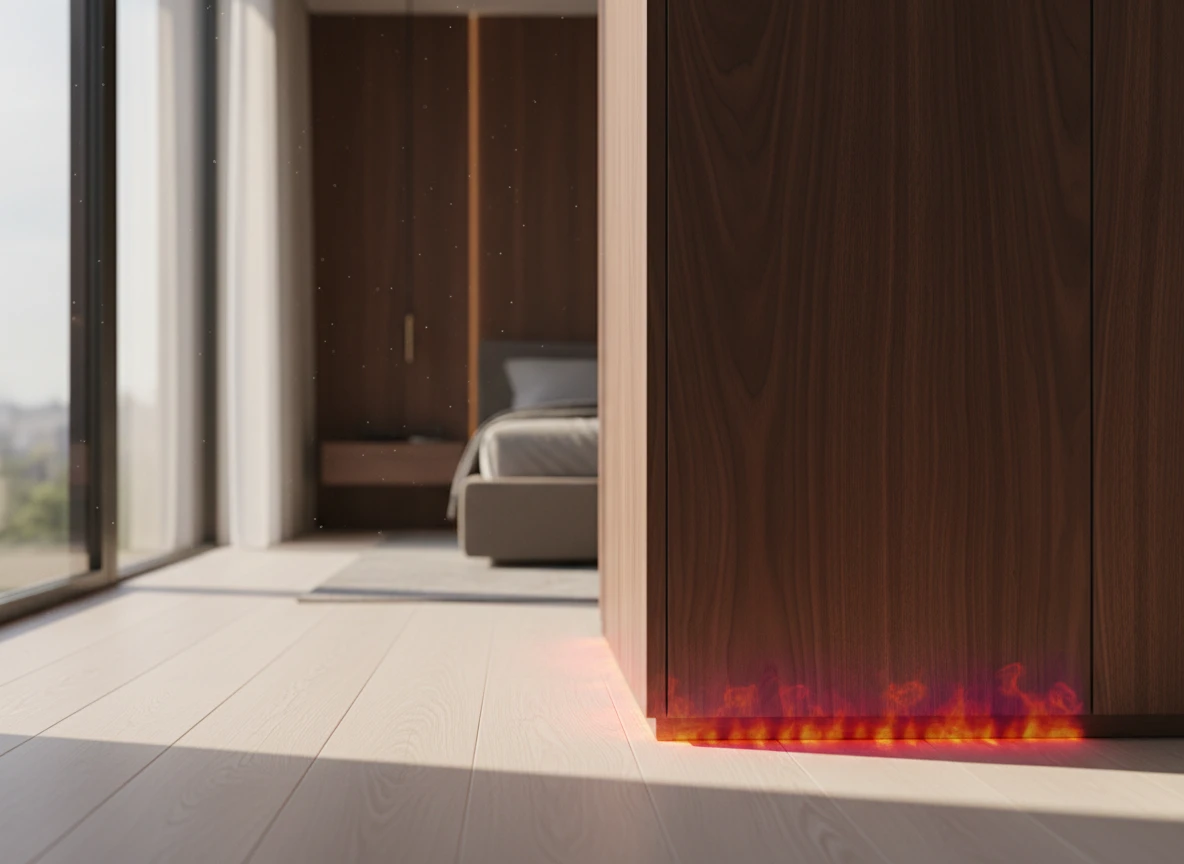
How does this stable radiant environment actually translate to the physical materials under your feet? If you have ever lived with traditional forced-air heating, you have likely heard your hardwood floors creak, pop, or show visible gaps in the dead of winter. That is because blast-heating dry air across a room strips moisture directly from the timber, forcing the wood fibers to shrink rapidly.
An underfloor heating system operates on a completely different thermal profile. Instead of sudden bursts of dry air, it delivers a slow, low-temperature thermal gradient. The wood stays in equilibrium because the surface temperature rarely exceeds 27°C. This gentle energy transfer prevents the extreme drying and warping cycles that ruin expensive tongue-and-groove installations.
At Integro Process Heating Solutions, we study these thermal dynamics daily. While our industrial projects require high-temperature precision, such as engineering a heavy-duty drum heating chamber or designing insulated heating jackets for process piping, the fundamental physics of heat transfer remain constant. Applying these precise thermal principles to our domestic and commercial heating designs ensures your floor is never subjected to thermal shock.
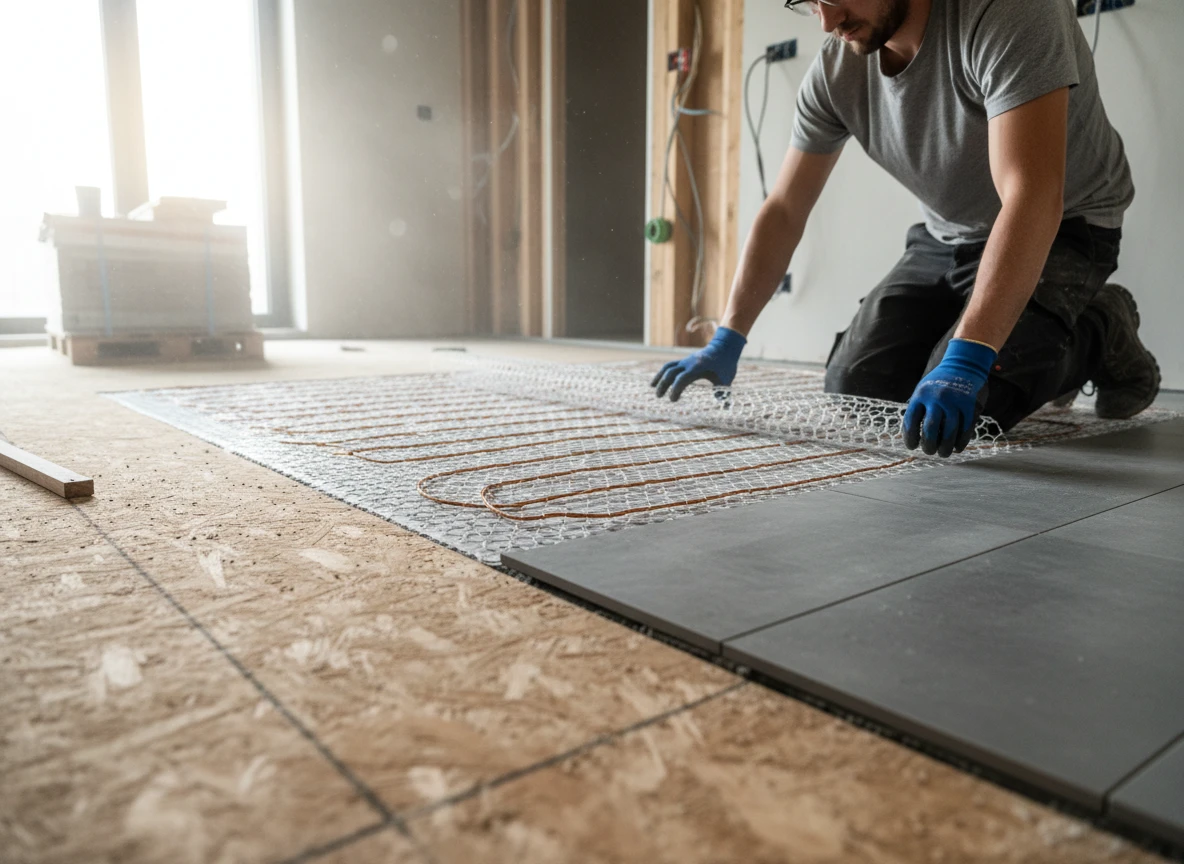
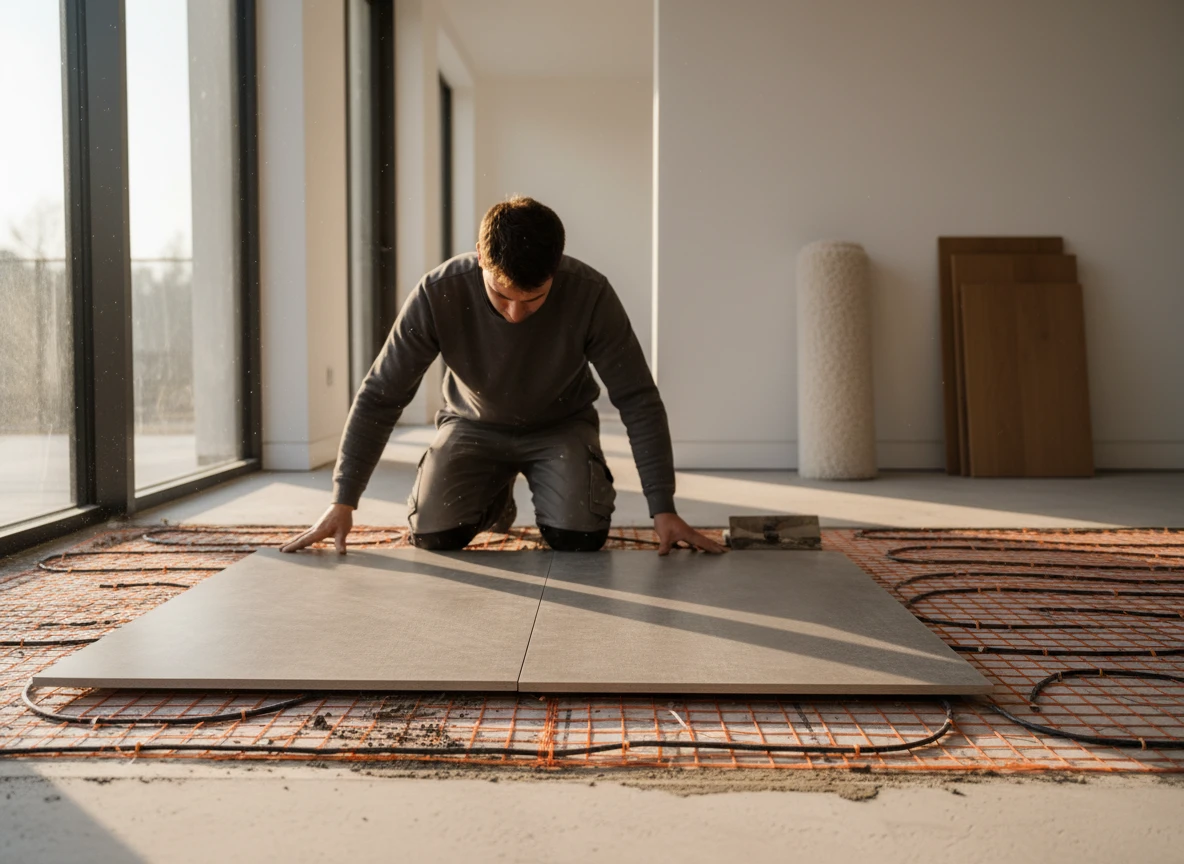
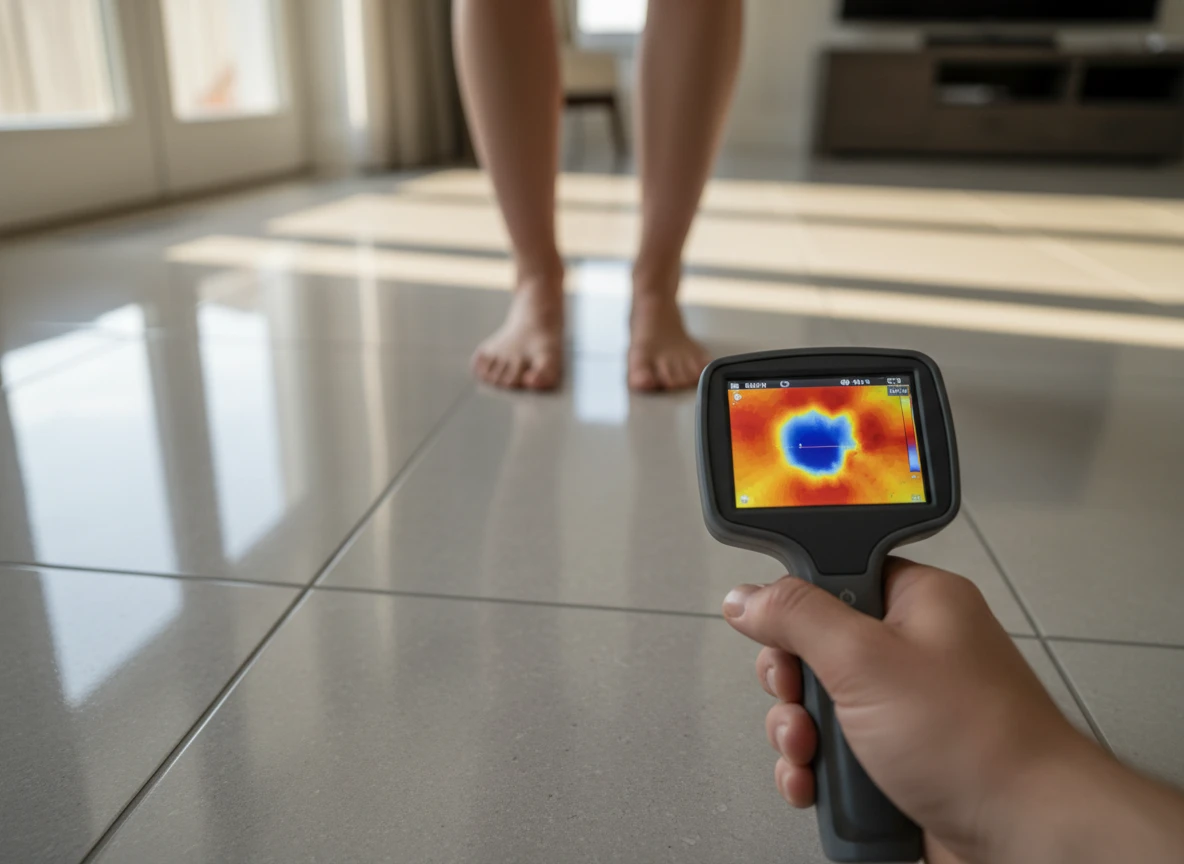
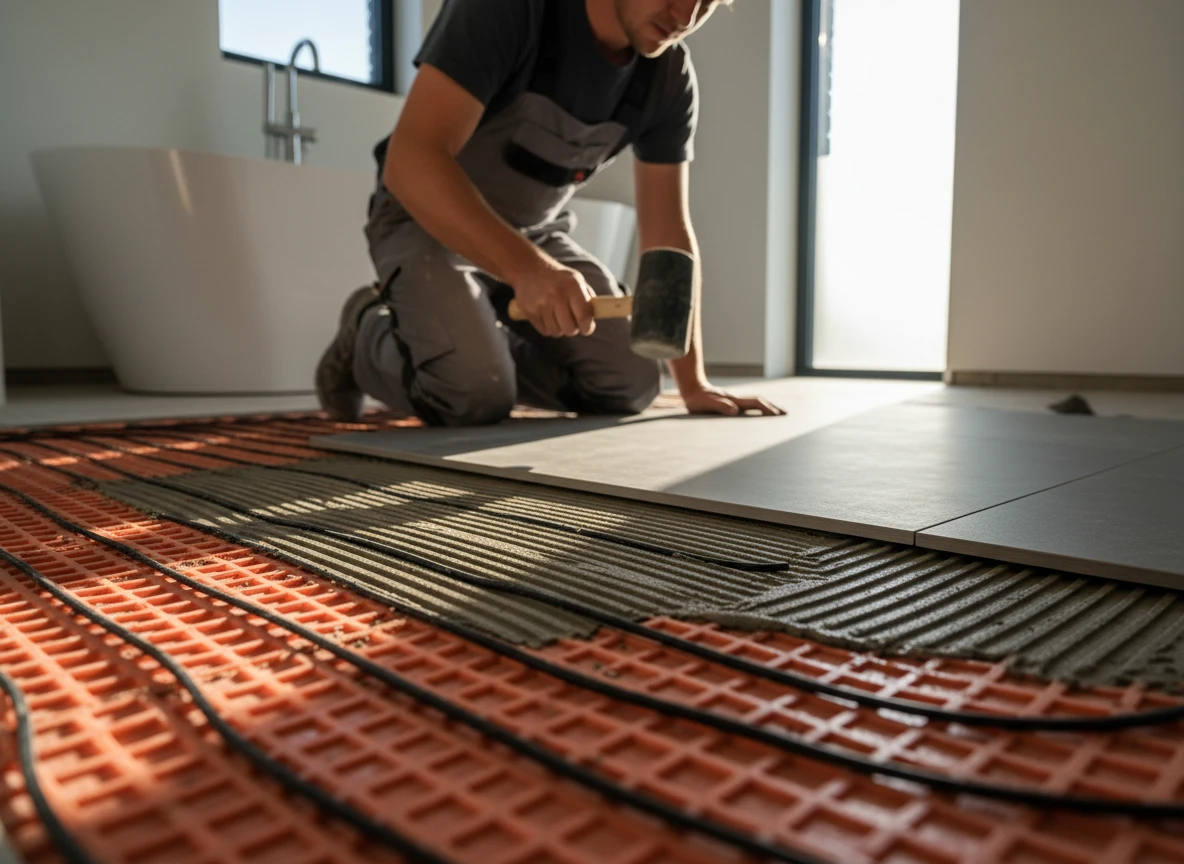
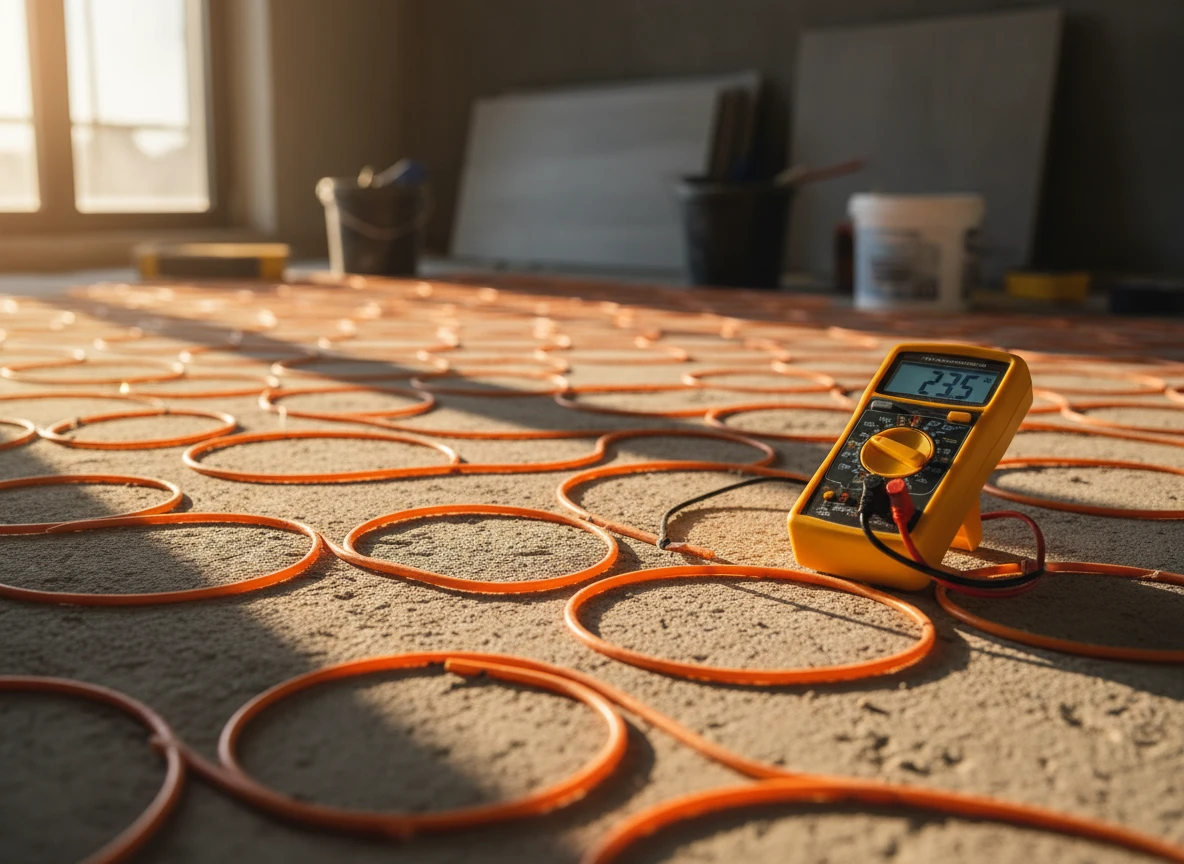
Tile and stone benefit just as much, though for different reasons. Tile has high thermal conductivity and excellent thermal mass. It absorbs the heat from the electric underfloor cables and radiates it evenly. Because the heat is distributed across the entire subfloor, you avoid the hot and cold spots that can cause micro-cracking in grout lines over time. You get stable, comfortable warmth, and your flooring materials last exactly as long as they were designed to.
Keeping your winter home warm and comfortable
Mastering thermal efficiency at home
A typical uninsulated concrete subfloor can lose up to 40% of its heat downward, forcing electric cables to work twice as hard to warm a room. This thermal drain doesn't just spike energy bills; it also drives localized surface temperatures to extreme levels that can dry out adjacent materials.
In our engineering work at Integro Process Heating Solutions, we're constantly analyzing thermal boundaries. The physics behind it isn't complicated. Forced-air systems rely on high-temperature convection currents that actively deplete relative humidity. Conversely, radiant systems heat objects directly via low-temperature electromagnetic waves.
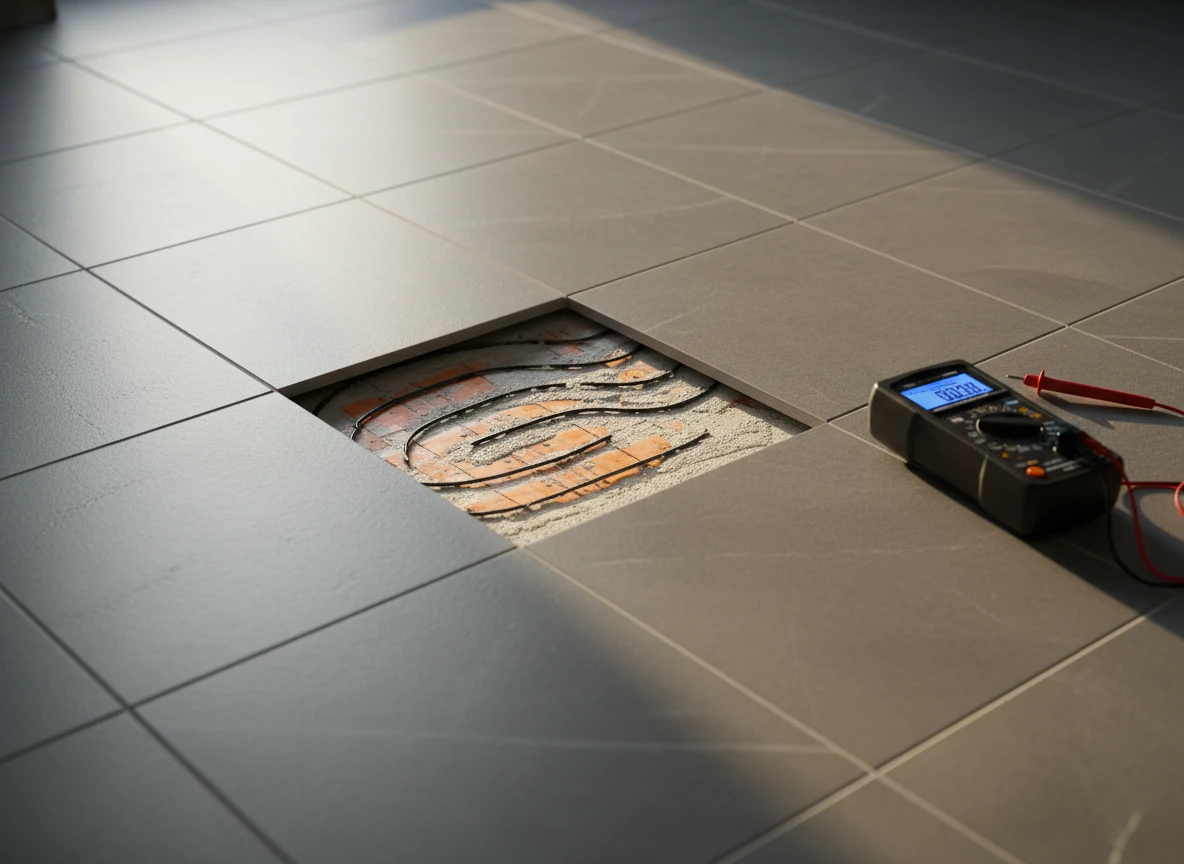
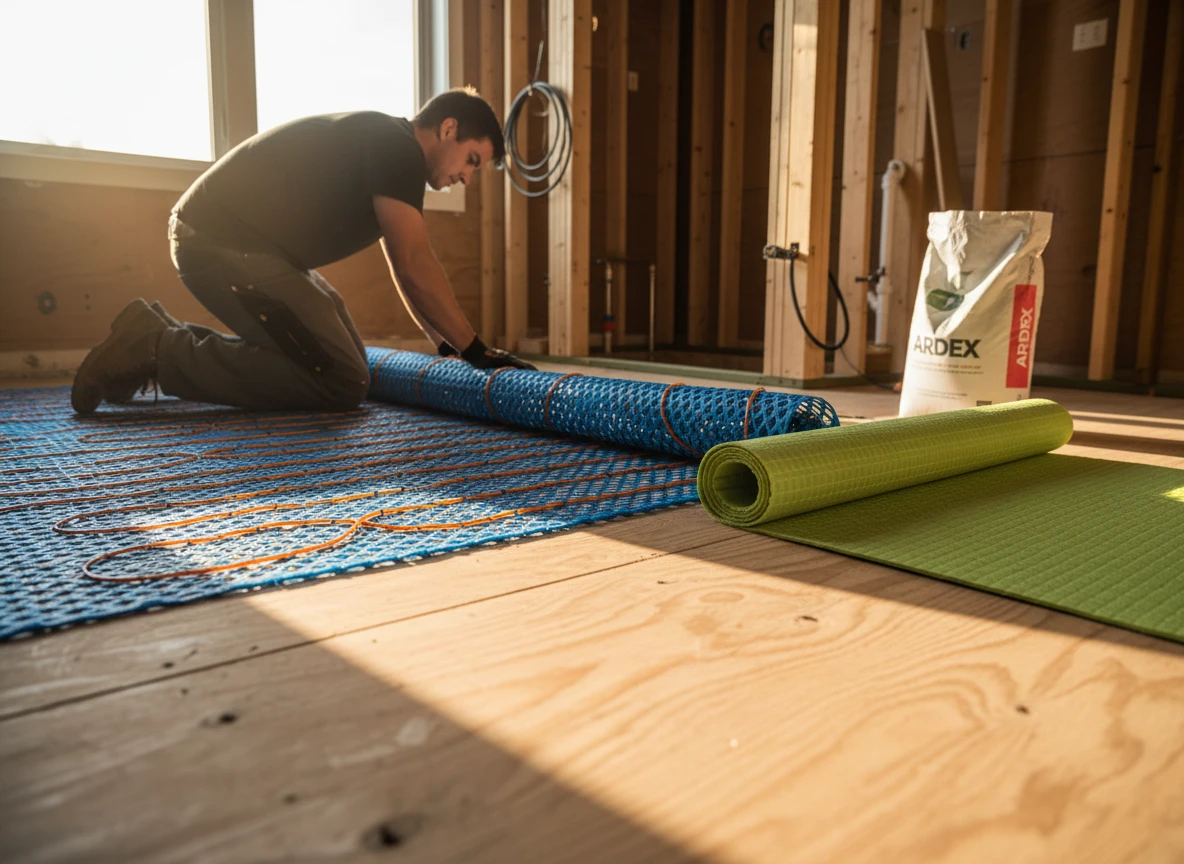
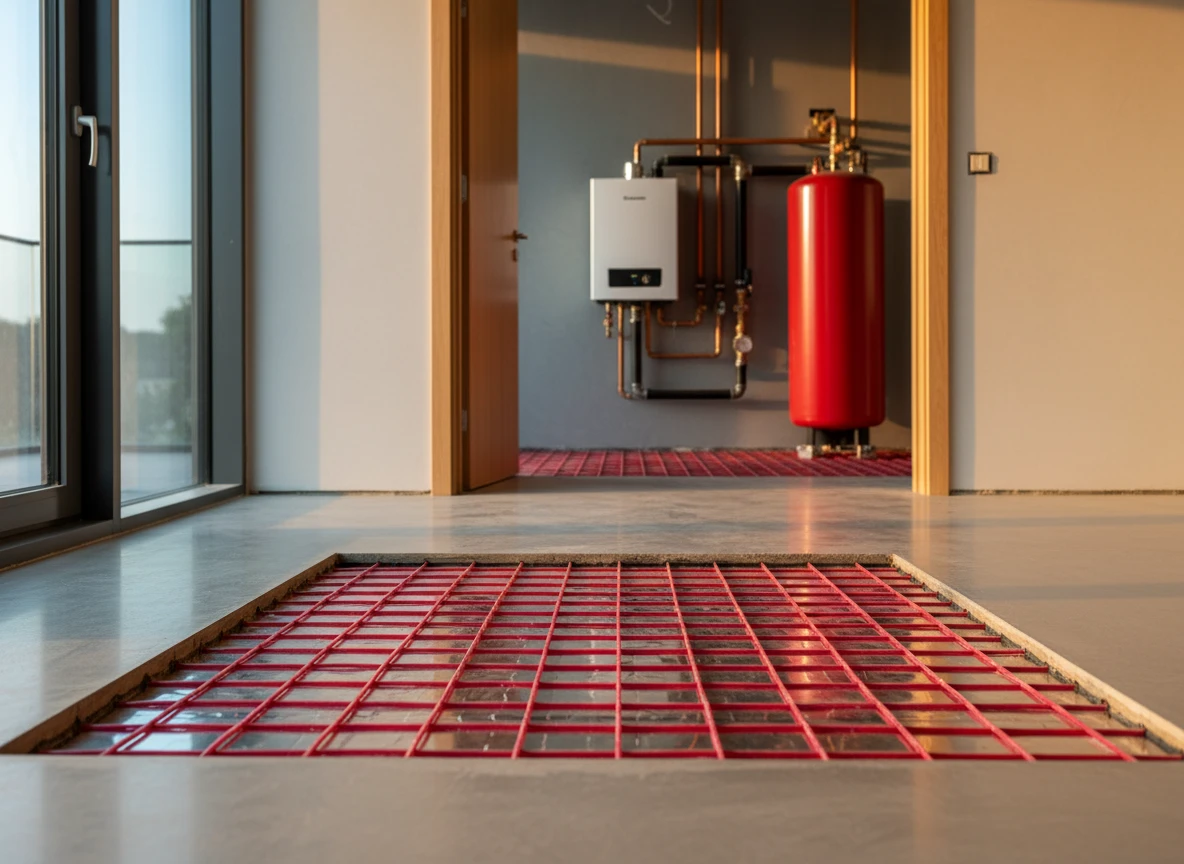
But this physics only works in your favor if the installation is correct. Common pitfalls like skipping subfloor insulation or choosing incorrect cable spacing force the system to overheat. Just as industrial setups require precise insulation like drum heating jackets to prevent thermal dissipation, residential systems require a thermal barrier beneath the screed. If you ignore this barrier, you risk creating hot spots that degrade flooring.
To maintain the ideal 40% to 60% indoor humidity range, you must address ventilation first. But don't blame your heating elements for dry winter air. Cold outdoor air entering the home naturally carries less moisture.
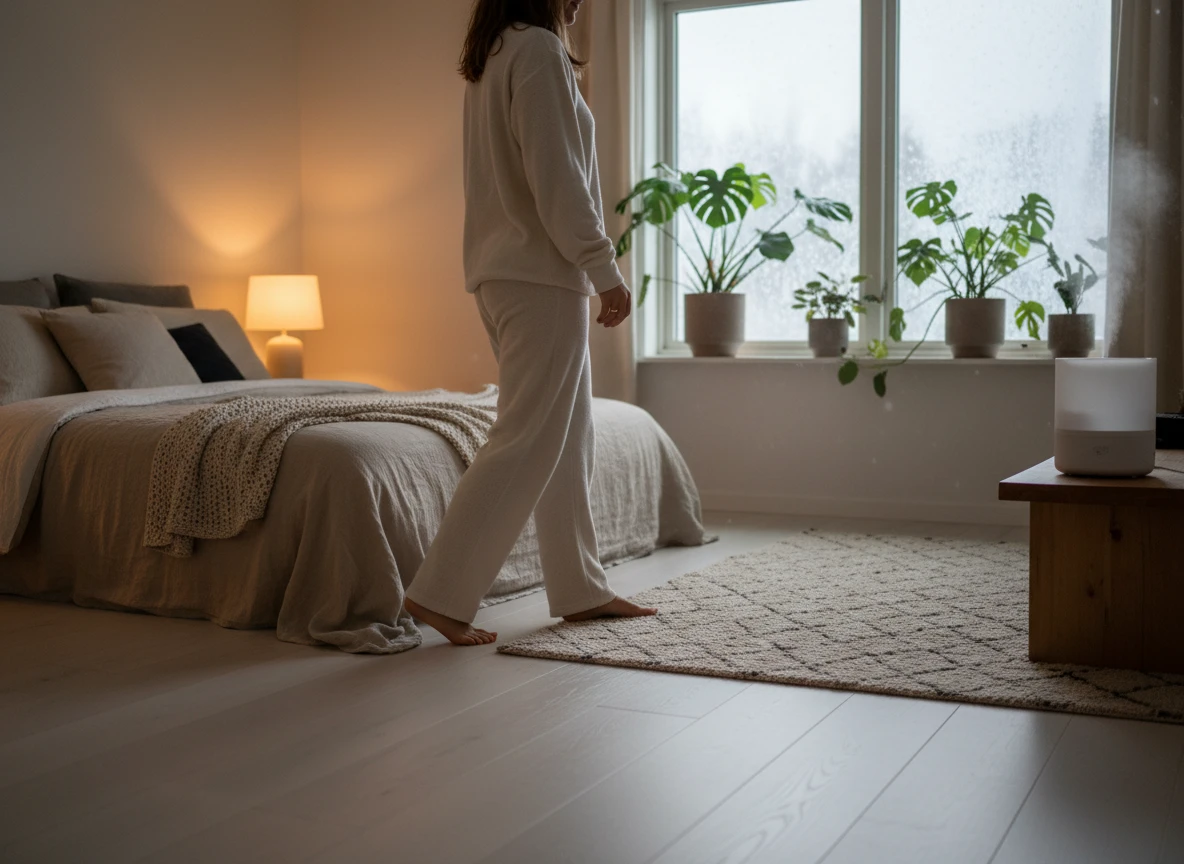
So, running a simple humidifier alongside your floor heating system keeps the indoor environment perfectly balanced. Admittedly, this setup won't fix drafty windows, but it handles the internal thermal balance beautifully.
When you invest in high-quality floor heating solutions, you also unlock under floor heating health benefits by eliminating airborne dust and allergen circulation. It's a cleaner, more efficient way to stay warm. Are you ready to redesign your home's thermal envelope for the coming winter?
Tired of dealing with forced-air dryness and uneven room temperatures? Integro Process Heating Solutions delivers engineered heating solutions that keep your spaces comfortably warm without sacrificing air quality.
FAQ
Does electric floor heating lower the absolute moisture in a room?
No, it doesn't change the absolute moisture content at all. It warms objects and surfaces directly through gentle thermal radiation rather than blowing dried air around, meaning it leaves your room's natural humidity alone.
Why does my skin feel so dry in the bathroom during winter?
That's actually caused by cold outdoor air entering your home and warming up, which naturally plunges relative humidity levels. Most people blame their tile heating, but physics shows it's just normal winter ventilation drying things out.
How does radiant heating compare to forced-air furnaces for air quality?
Forced-air blowers circulate dust, allergens, and create harsh convective drying currents. Electric underfloor heating operates silently without drafts, keeping your indoor humidity comfortably inside that healthy 40 to 60 percent window.
Can underfloor heating cause hardwood floors to warp?
Actually, it's the opposite. Forced-air systems create extreme drying cycles that cause wood to gap and warp, while stable radiant warmth provides a much gentler climate that protects your flooring.