- By Admin
- Integro
- The breaking point of industrial water filtration
- Why membrane systems choke on high TDS and RO reject
- Transitioning to thermal separation under vacuum
- Selecting the right machinery for heavy-duty volume reduction
- Where operations teams miscalculate: chemistry and capacity
- Taking the leap to zero liquid discharge compliance
- FAQ
The breaking point of industrial water filtration
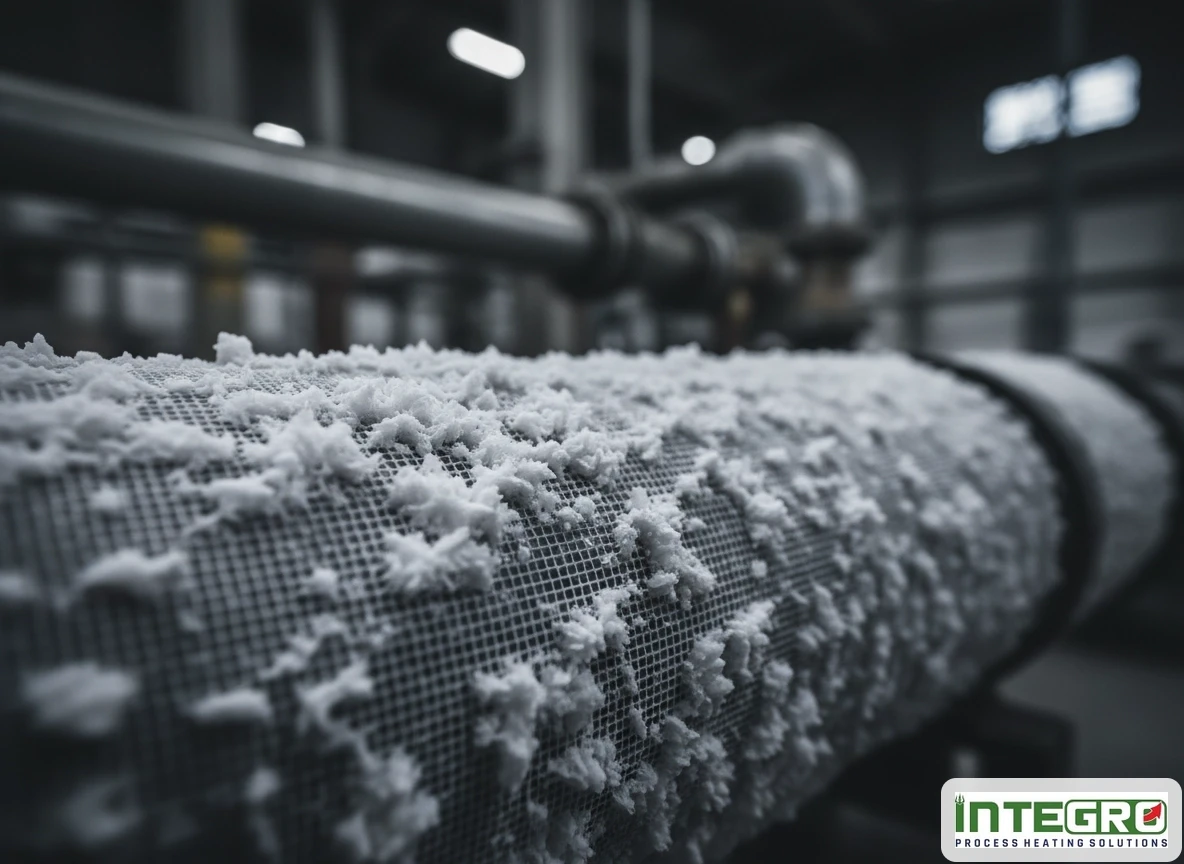
Picture this: your reverse osmosis (RO) system is humming along perfectly. Then, a sudden spike in total dissolved solids (TDS) hits, fouling your membranes in under three hours. It's a nightmare. This is the exact wall where physical filtration stops working. Once dissolved solids climb past 35,000 ppm, the osmotic pressure needed to force water through those membranes gets stupidly high.
At this point, standard filters leave you with a nasty, concentrated reject stream packed with scaling salts like silica and calcium carbonate. If you try to squeeze more water out of this thick brine using regular filters, you'll just ruin your membranes and watch your maintenance budget vanish. It might not cause a catastrophic blowout right away. But it absolutely guts your system's efficiency. That's why our team at Integro Process Heating Solutions tells operators to stop fighting the physics of membranes and switch to thermal separation.
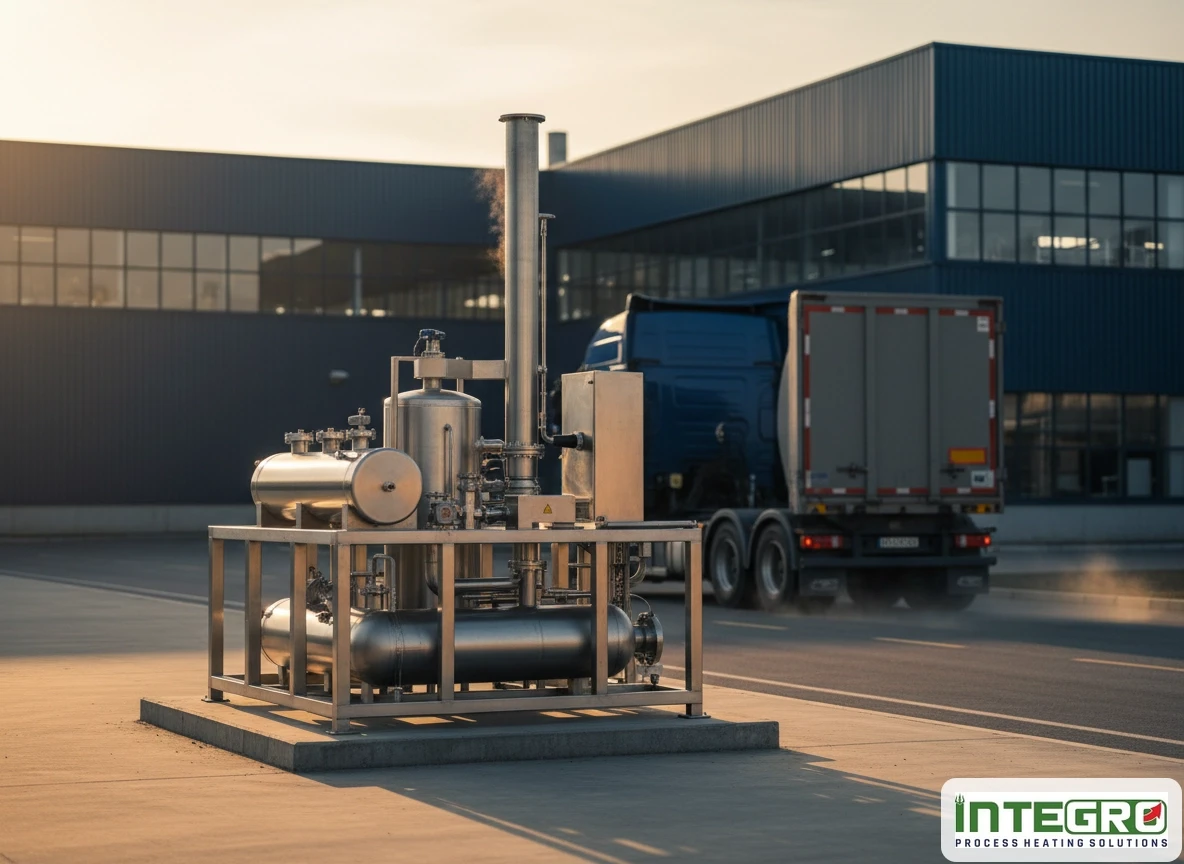
Bringing in a thermal waste water evaporator lets you bypass those membrane limits completely. You just boil the water off and leave the dry solids behind. It's that simple. Instead of cutting massive checks to haul tankers of liquid waste off-site, a solid wastewater evaporation system can shrink your waste volume by up to 99%.
I often hear operators worry about air emissions permits. But setting up a modern evaporator for wastewater treatment actually makes life easier by getting rid of liquid discharge points altogether. You stop sweating over complicated sewer permits and start running a predictable, closed-loop setup.
Why membrane systems choke on high TDS and RO reject
Reverse osmosis (RO) systems typically reject 20% to 50% of their feed volume as a highly concentrated brine, a stream where total dissolved solids (TDS) can easily exceed 50,000 mg/L. Under these extreme concentrations, the osmotic pressure required to force water through a semi-permeable membrane rises exponentially. It often surpasses the physical pressure limits of standard RO vessels, which usually top out around 80 to 120 bar. This is where standard filtration fails completely. Beyond this pressure barrier, sparingly soluble salts like calcium sulfate and silica quickly reach their saturation points, precipitating directly onto the membrane surface to create an impermeable layer of crystalline scale.
And when membranes foul under these conditions, plant operators face a continuous cycle of chemical cleaning, membrane degradation, and eventual element replacement. But trying to force more recovery from high-TDS streams with membranes is a losing battle. Processing this highly concentrated brine requires a dedicated ro reject water evaporator that relies on phase change rather than physical barriers. By transitioning the remaining liquid volume into the vapor phase, a high-efficiency effluent evaporator can handle extreme brines directly, driving total water recovery up to 99% while leaving behind only solid or semi-solid dry cakes.
At Integro Process Heating Solutions, we've seen that relying on traditional filtration for high-salinity streams simply shifts the operational challenge from wastewater disposal to solid waste management and constant, expensive membrane replacement. For a deeper technical breakdown of how these thermal systems manage highly concentrated streams, you can consult this industrial wastewater evaporators guide which details the thermodynamics of boiling chamber operations. While thermal units require more initial energy than simple filtration, the long-term savings from eliminating off-site liquid hauling and avoiding municipal discharge penalties make thermal separation the only viable path for high-TDS streams.
Transitioning to thermal separation under vacuum
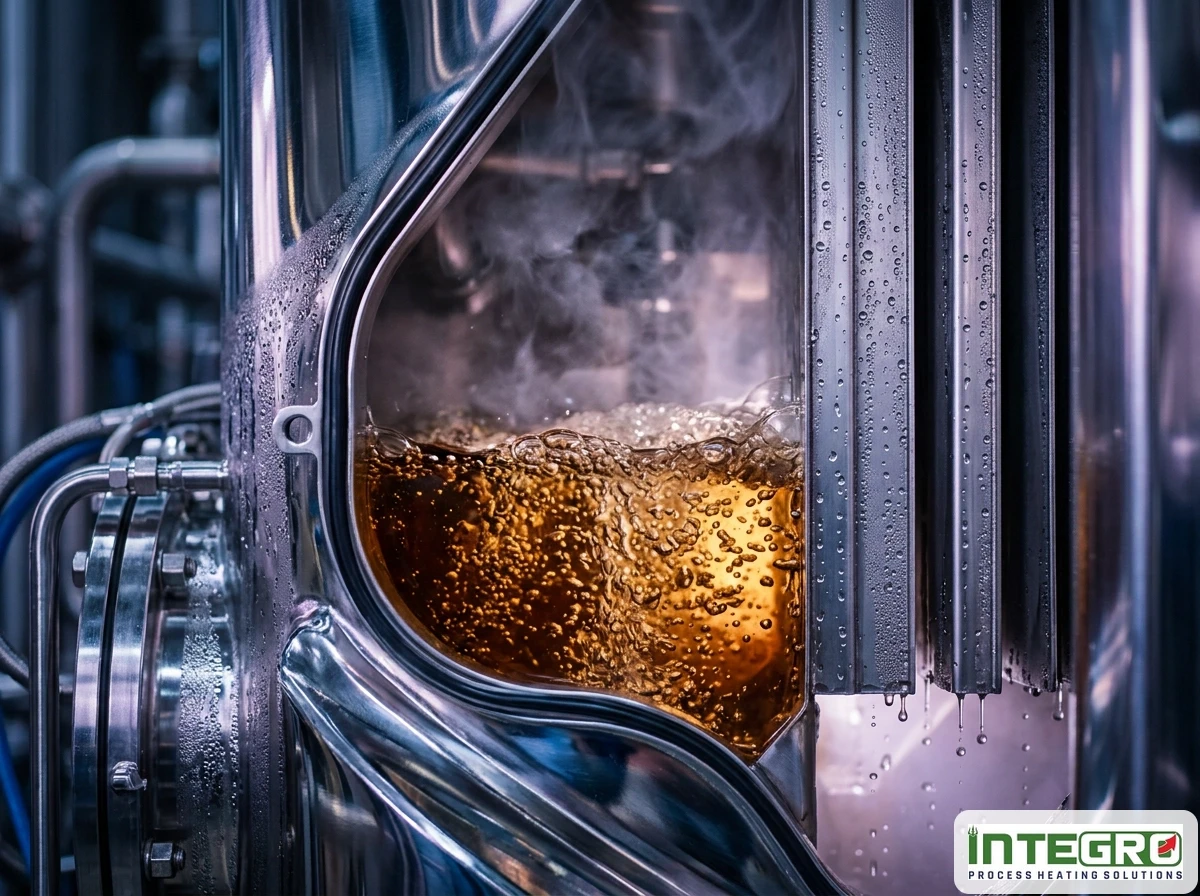
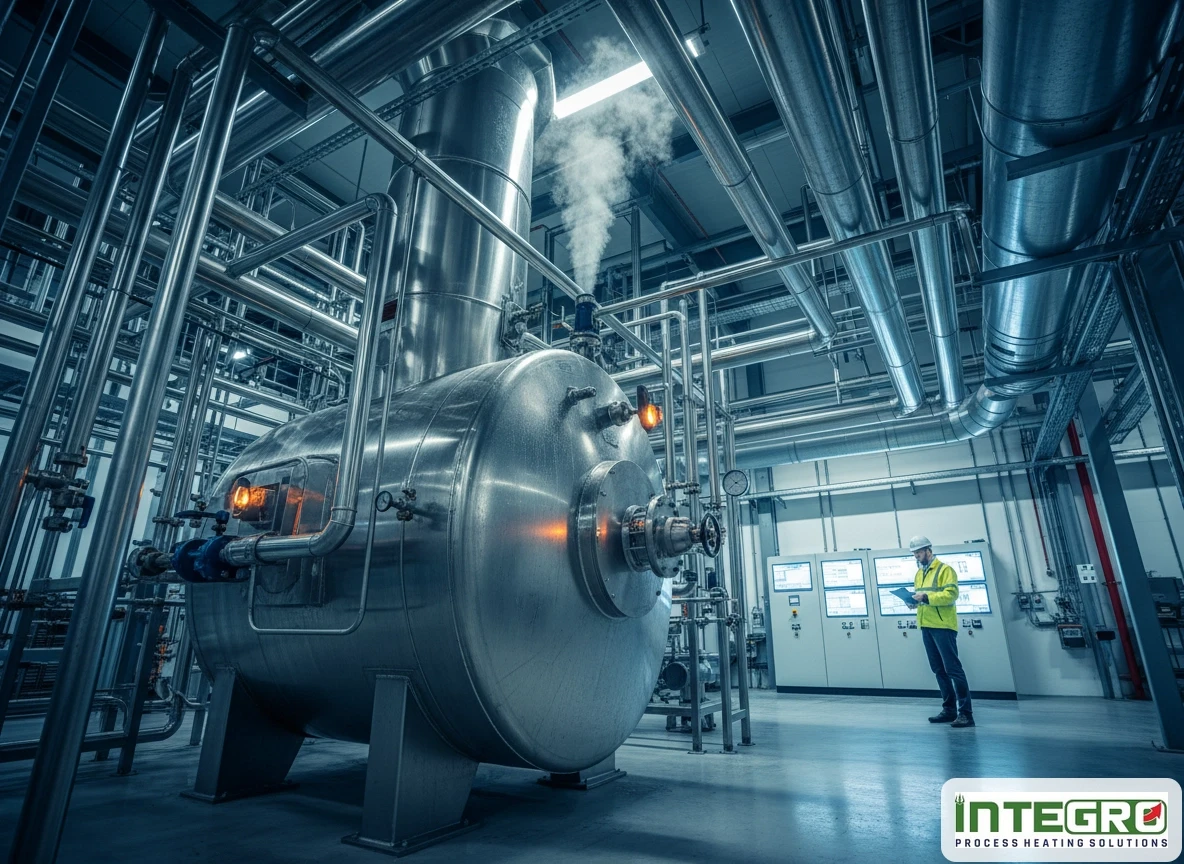
Once membrane systems hit their physical limits, the next step is changing the physical state of the water itself. By transitioning to a vacuum evaporator for wastewater, we bypass the osmotic pressure barriers that halt reverse osmosis. Drop the operating pressure, and the boiling point drops with it. This allows a well-engineered thermal evaporator to minimize energy inputs. It's a direct, highly effective route to maximize pure water recovery.
The mechanics of sub-atmospheric boiling
Water boils at 100°C under standard atmospheric pressure. That requires massive thermal energy. In an industrial wastewater evaporator, a vacuum pump pulls the pressure down to 30-40 mbar, which drops the boiling point to 35°C-40°C. This low-temperature regime keeps volatile organic compounds from vaporizing with the water. It also prevents thermal degradation of complex waste. Many industries deploy specialized industrial evaporators to handle these extreme brines directly.
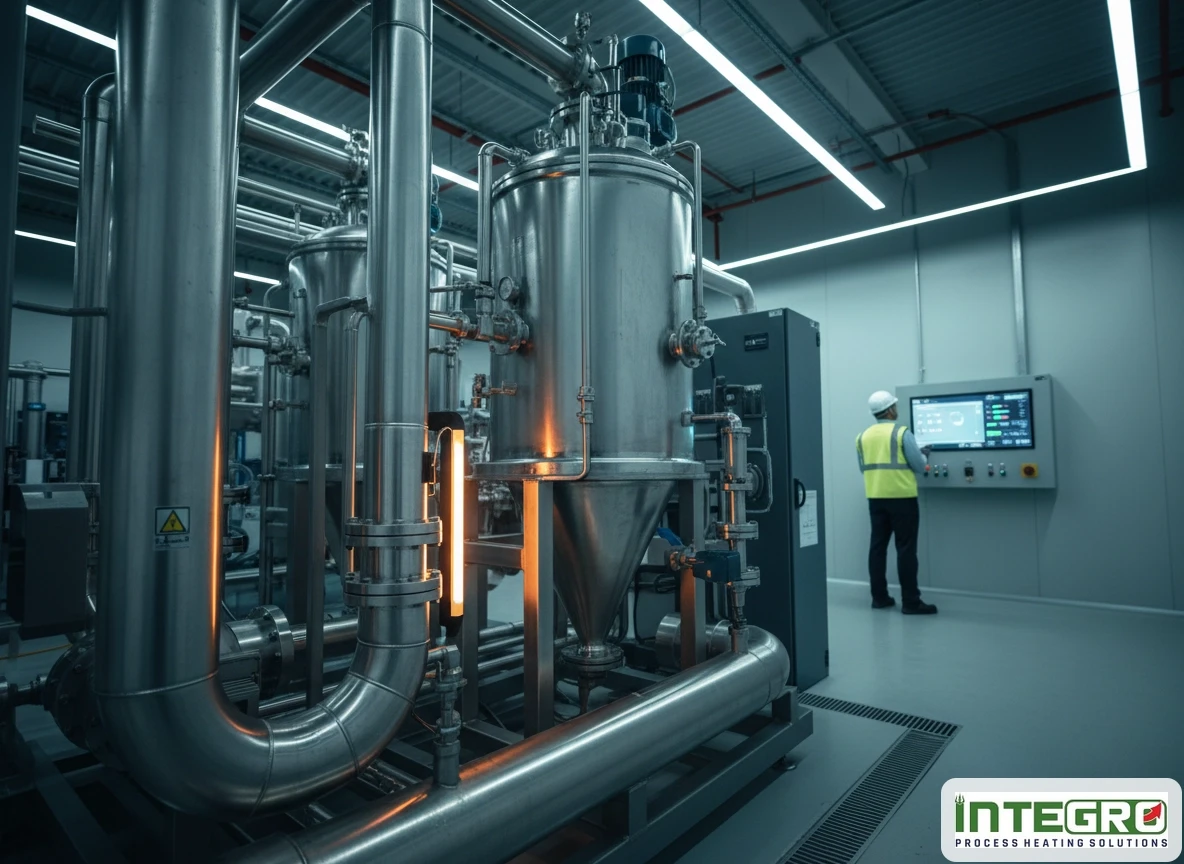
To drive vaporization at this lower threshold, we introduce controlled thermal energy. This is where engineered thermal systems, like water circulation heaters, distribute heat evenly across the heat exchanger surfaces. In mechanical vapor recompression configurations, we compress the generated vapor to raise its temperature, recycling latent heat back into the boiling chamber. This loop makes the thermal evaporation system highly efficient. Selecting the right metallurgy for these thermal evaporators is critical; high-TDS concentrates quickly scale or corrode standard metals. Understanding this heat-pressure balance is the foundation of any industrial wastewater evaporation system designed for zero liquid discharge.
Separating distillate from heavy waste
As the wastewater boils, pure water vaporizes and escapes. It leaves heavy metals, salts, and suspended solids behind in the boiling chamber as a concentrated slurry. The clean vapor passes through a mist eliminator to remove entrained droplets before entering the condenser.
Our team at Integro Process Heating Solutions designs these systems to optimize thermal efficiency. The vapor condenses into liquid distillate upon contacting a cold surface, yielding water ready for plant reuse. To prevent downtime, you must adhere to a structured wastewater evaporator maintenance protocol. If you don't manage scaling on heat transfer surfaces, efficiency collapses.
For facilities managing highly corrosive streams, partnering with reputable waste water evaporator manufacturers or wastewater evaporator plant suppliers guarantees the metallurgy and heating dynamics match the waste profile. This tailored approach turns a complex disposal challenge into a predictable, closed-loop recovery process.
Selecting the right machinery for heavy-duty volume reduction
Once you've accepted that vacuum boiling is your path forward, you face a major fork in the road. How do you actually power this process without blowing your utility budget? The choice usually boils down to Multi-Effect Evaporators (MEE) versus Mechanical Vapor Recompression (MVR). If you have cheap, abundant low-pressure steam on-site, a multi-effect waste water evaporator makes a lot of sense. It reuses water vapor from one stage to boil liquid in the next, lowering energy demands with each added effect. You can explore standard configurations through an MEE design guide to see how these thermal stages cascade.
But what if steam is scarce or expensive? That's where MVR shines. Instead of relying on fresh thermal inputs, an MVR system uses a mechanical compressor to raise the temperature of the evaporated vapor, recycling that latent heat back into the boiling chamber. As manufacturers of industrial waste water evaporators, we often tell clients that if electricity is your primary utility, MVR is the logical long-term play. It essentially turns your wastewater evaporator plant into a highly efficient closed-loop thermodynamic cycle. Of course, these energy calculations don't always translate perfectly if your feed chemistry fluctuates wildly.
Factoring in scaling and maintenance
Don't let high-efficiency numbers blind you to daily operational realities. High-TDS brines are notoriously aggressive. If you're running a continuous falling-film evaporator on heavy scaling salts, you'll face rapid tube fouling. Forced circulation designs are often the safer bet here, keeping velocities high enough to prevent solids from baking onto heat transfer surfaces. You should also review practical evaporator maintenance strategies to plan for clean-in-place cycles. At Integro Process Heating Solutions, we recommend working with a dedicated thermal evaporators manufacturer to run pilot tests. This ensures you buy the correct industrial waste water evaporators for your specific waste stream.
Where operations teams miscalculate: chemistry and capacity
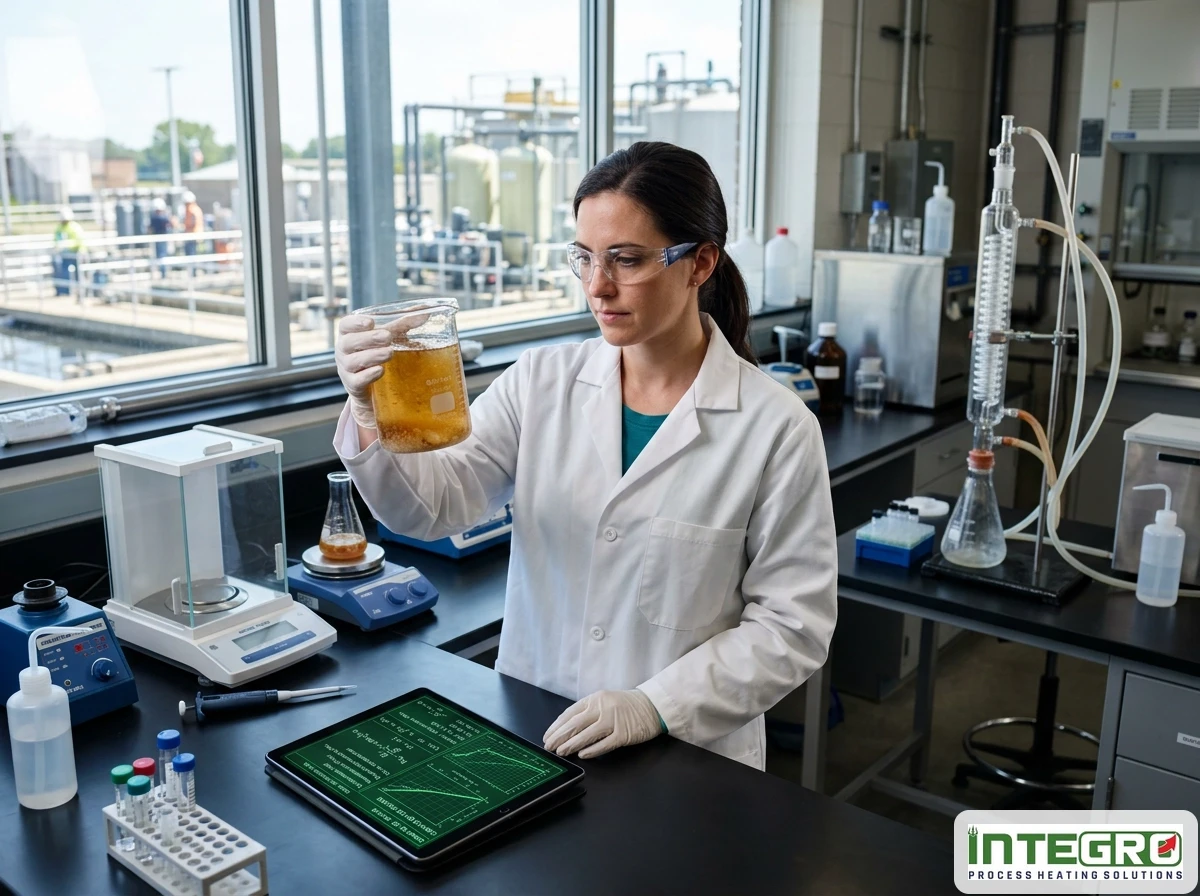
Buying an MEE or MVR system is the easy part. The real work is keeping it alive. Too many operations teams treat this expensive hardware like a magic garbage disposal. It's not a passive holding tank. It's a thermodynamic chemical reactor. Ignore your feed chemistry, and you'll destroy the metal from the inside out.
The scaling blind spot
Silica, calcium, and magnesium carbonates don't just flow through the system. They bake onto the heat transfer surfaces. Skip the scale inhibitors, and you'll get a thin mineral crust within hours. That crust acts as insulation. Your system then has to work twice as hard and burn way more energy just to hit the same boil-off rate. This thermal drag spikes your utility bills and kills your hardware early, bloating your actual wastewater evaporator cost. Worse, as the water evaporates, shifting pH levels can turn mild contaminants into aggressive acids that eat through your tubes.
Neglecting the CIP protocol
Delaying your clean-in-place (CIP) cycle to hit today's production quota is stupid. It's a shortcut that guarantees failure. Once scale polymerizes and bakes onto the metal under high heat, standard chemical washes won't touch it. Your only option left is mechanical drilling or manual scraping. That ruins the tubes and voids your warranty on the spot.
At Integro Process Heating Solutions, we see these self-inflicted disasters all the time. We build tough systems, but they aren't idiot-proof. You need strict maintenance protocols. Period. Stop treating chemistry like an afterthought. If your waste stream changes even slightly, adjust your dosing and CIP frequency immediately. We've watched plants destroy brand-new evaporators in under a month by ignoring feed variations. If you don't monitor these shifts, you'll end up with a calcified block of metal and a dead production line.
Taking the leap to zero liquid discharge compliance
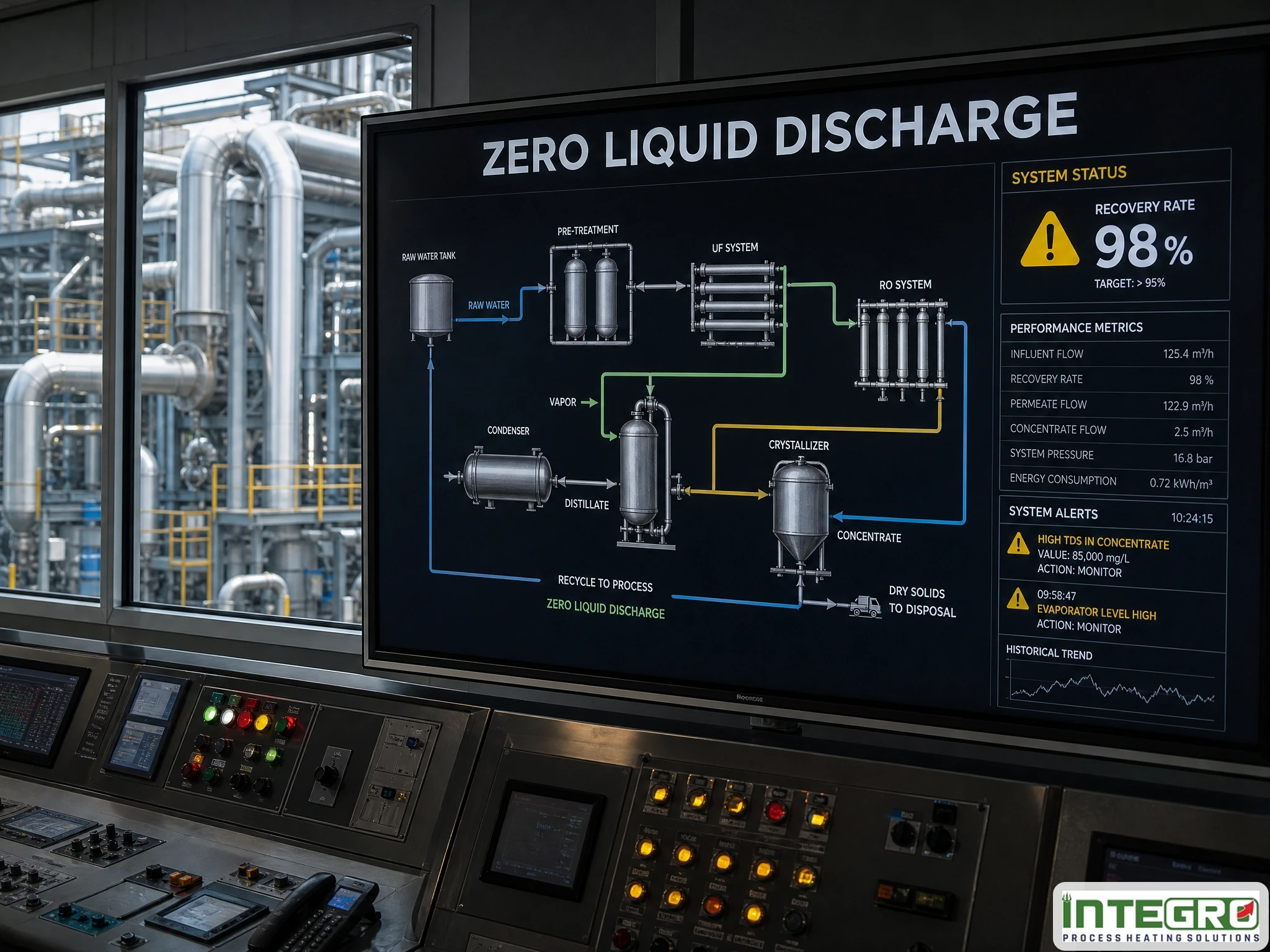
Once you've factored in chemistry and dialed in your clean-in-place (CIP) protocols, the true operational shift comes into focus. Are you still spending resources trying to force membranes to do a job they weren't designed for? Transitioning from physical filtration to a dedicated wastewater evaporation system isn't just about avoiding compliance fines; it's about taking total control of your process.
By shifting to thermal separation, you bypass the endless cycle of membrane fouling and chemical replacement. Yes, the initial engineering requires careful planning, but the outcome is a predictable, closed-loop process that can achieve up to 99% volume reduction. At Integro Process Heating Solutions, we design each custom wastewater evaporator plant to turn high-TDS liabilities into clean, reusable distillate.
Before making any equipment decisions, you need to know your numbers. What is your actual daily wastewater volume, and how much of that is costly reverse osmosis (RO) reject? We recommend starting with a rigorous site-wide water audit to map out your precise flow rates and chemical spikes.
Our team at Integro designs high-efficiency industrial thermal evaporators that match these real-world variations. Once you have a clear picture of your facility's daily discharge volume, you can stop managing waste and start optimizing your thermal efficiency.
If your current RO reject and high-TDS effluent are blowing past compliance limits, Integro Process Heating Solutions designs custom waste water evaporation systems that handle the heavy lifting.
FAQ
How do you know when filters and RO systems are truly at their limit?
You'll notice frequent membrane fouling, spiking osmotic pressure, and reject streams that local municipal authorities refuse to accept. If you're constantly replacing filters and still failing sewer limits, it's time to switch gears.
Why use a vacuum evaporator instead of standard atmospheric boiling?
Boiling water under negative pressure drops the required temperature significantly. It saves a ton of energy and keeps fragile equipment from degrading under extreme heat stress.
Can you actually reuse the water recovered from an effluent evaporator?
Most facilities easily recover up to 99 percent pure distillate. It's clean enough for most non-potable plant processes and cooling tower makeup water.
What causes scale buildup inside an industrial wastewater evaporator?
Aggressive compounds like silica, calcium, and magnesium drop out of solution as water evaporates. If you don't use proper threshold inhibitors or run regular cleaning cycles, those minerals bake right onto the heat transfer surfaces.
Is it better to run an evaporator continuously or in batches?
It really depends on your facility's generation pattern. If your waste output fluctuates wildly throughout the week, a batch setup usually prevents the unit from starving for feed and wasting energy.