- By Admin
- Integro
- Identifying the scent: is it just dust or a real hazard?
- The critical difference between seasonal dust and electrical failure
- Hydronic vs electric underfloor heating: mapping the smells to the tech
- How to isolate and resolve the burning odor safely
- The limits of DIY: when you must step away from the tools
- Ensuring a safe, odor-free winter underfoot
- Frequently Asked Questions
Identifying the scent: is it just dust or a real hazard?
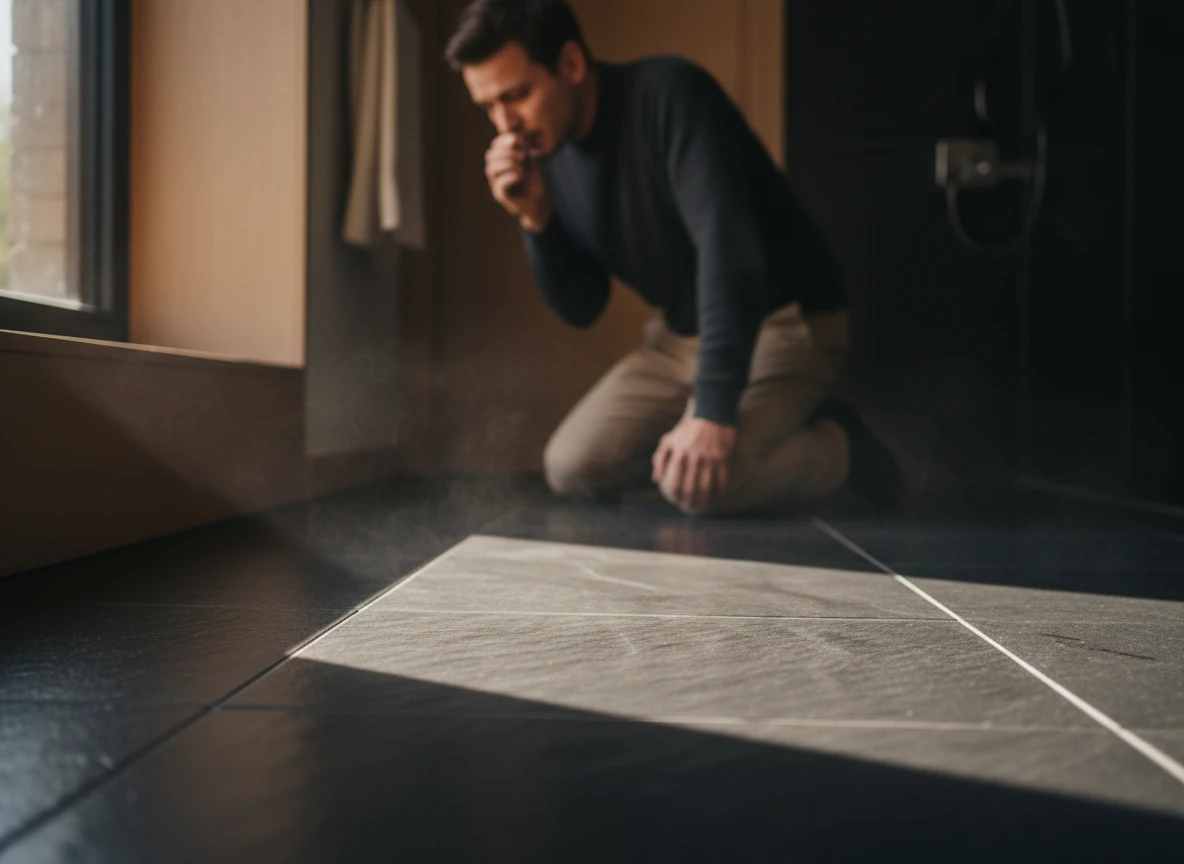
That sudden, sharp scent of singed material drifting up from your floorboards isn't something you should ignore. You turned on your heating to get comfortable, not to trigger an anxiety spike about a potential house fire. But how do you know if that odor is just harmless summer dust burning off the heating elements, or a warning sign of an electrical emergency?
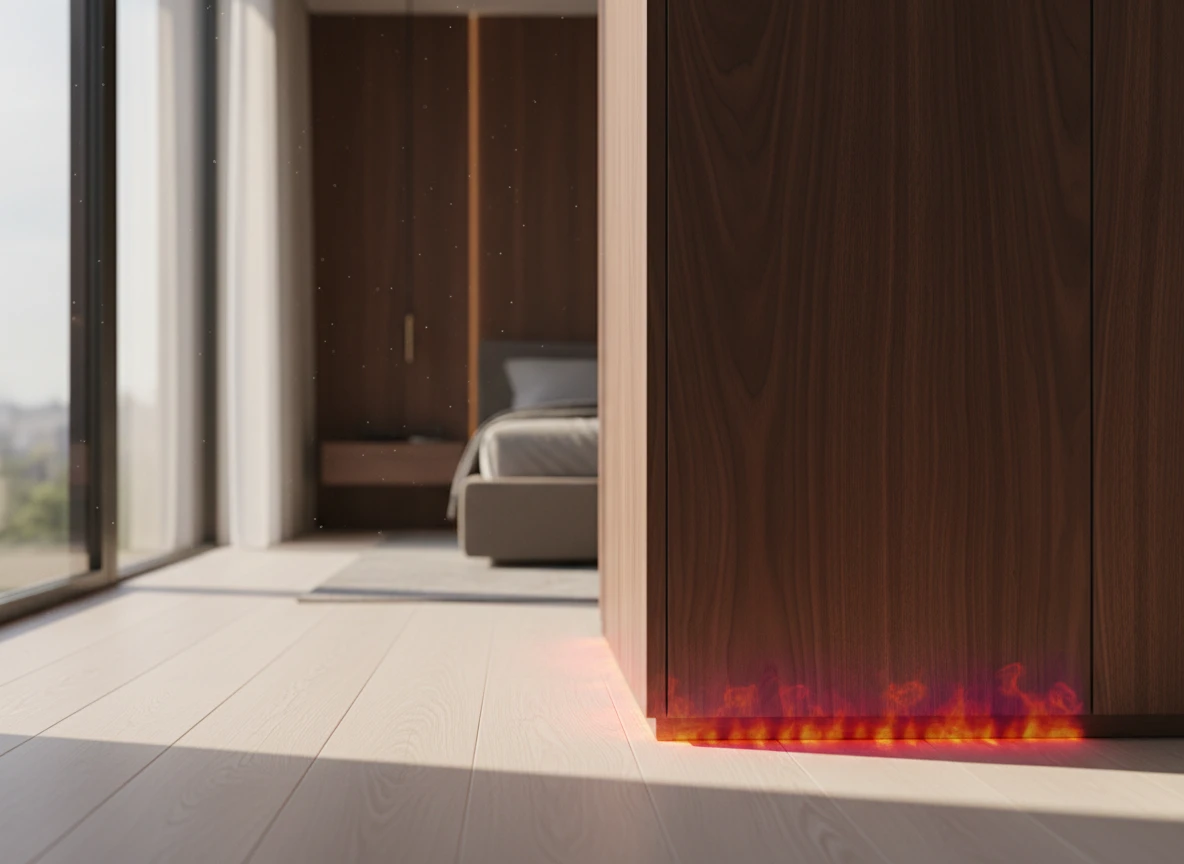
If you have just powered up your underfloor heating system for the first time this winter, a mild, dry smell is relatively common. This dust burn-off typically dissipates within an hour or two. However, when underfloor heating smells turn acrid, chemical, or distinctly like fish, you are likely dealing with something far more serious than settled dust. These sharp odors often point to melting plastic insulation, overloaded circuits, or loose terminal connections beneath your floor.
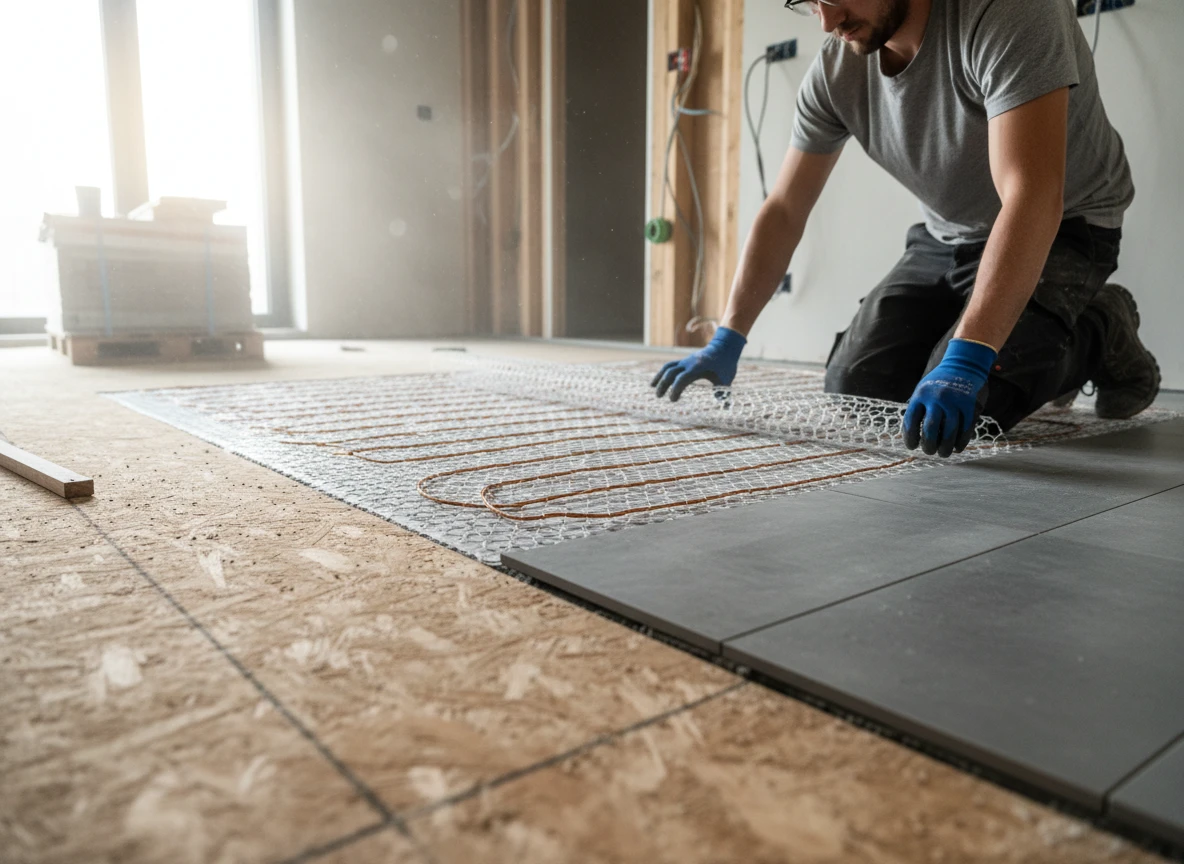
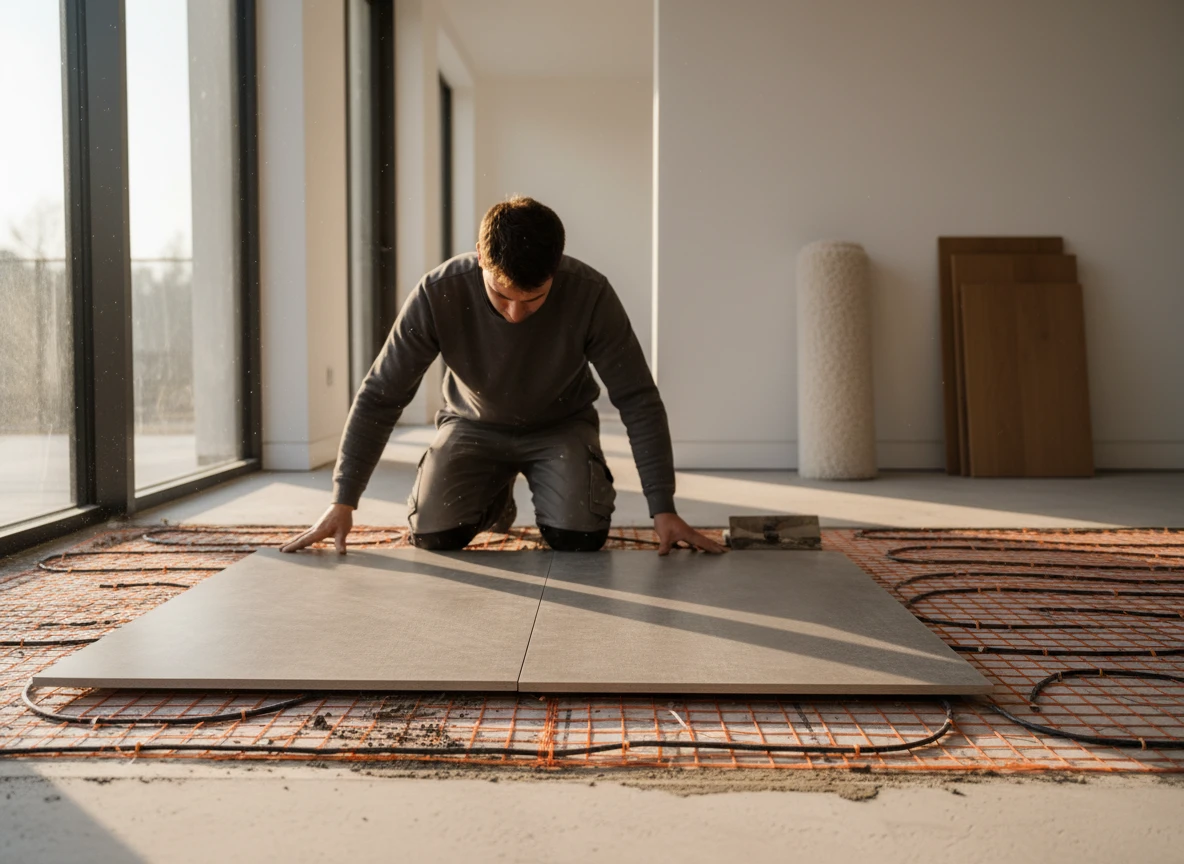
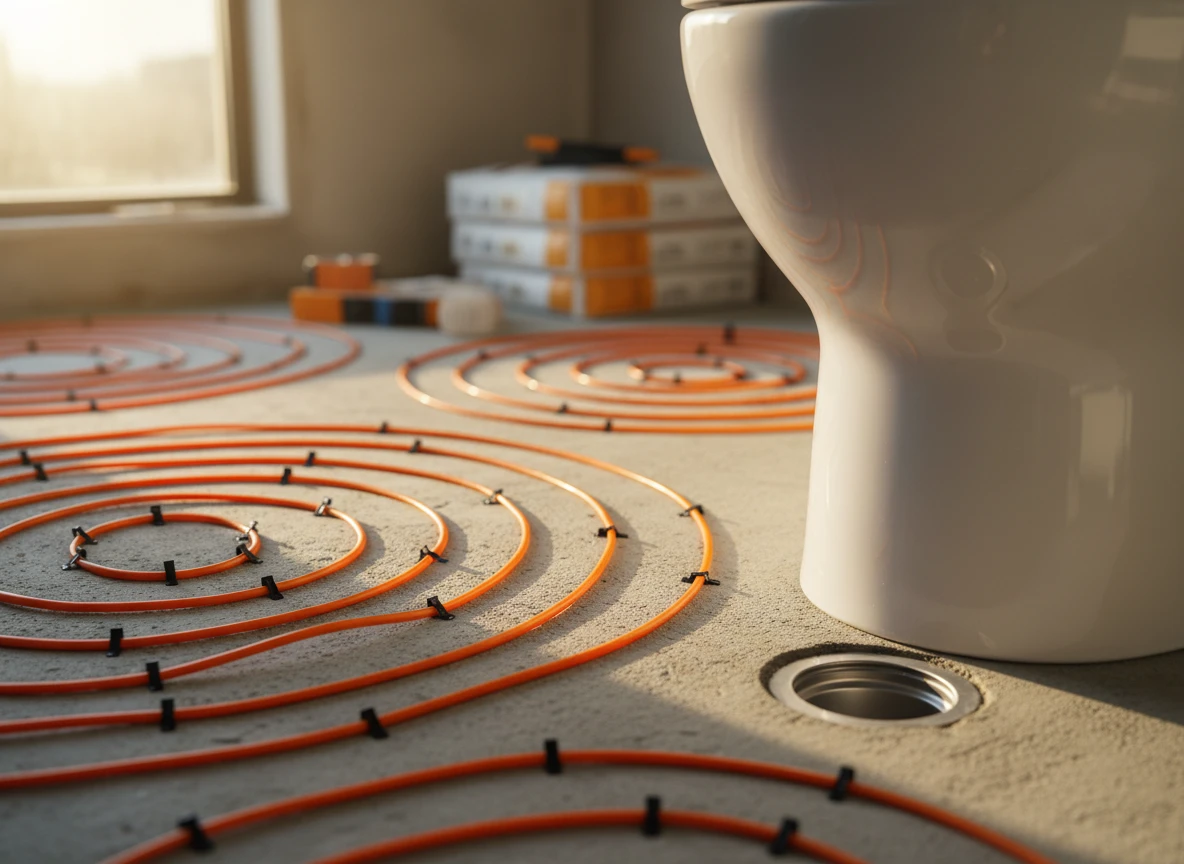
The technical reality of these systems makes the distinction vital. For instance, in a water-based hydronic setup, burning smells are rare and usually trace back to boiler malfunctions or overheated manifold pumps. On the flip side, an electric system relies on resistance cables. If a cable was nicked during installation, or if heavy rug placement has caused localized heat trapping (known as thermal blocking), the cable or the floor adhesive can actually scorch.
At Integro Process Heating Solutions, we design systems with precise thermal tolerances, and we always advise against treating a persistent odor as a minor quirk. While a brief, faint smell during seasonal startup is usually benign, any sharp, chemical aroma demands immediate investigation. Assuming a plastic-like smell will just go away is one of the most common under floor heating issues that leads to catastrophic system failure. Before you start pulling up tiles or laminate, you need to systematically isolate the source of the scent.
The critical difference between seasonal dust and electrical failure
Thermal dynamics: dust burn-off versus polymer degradation
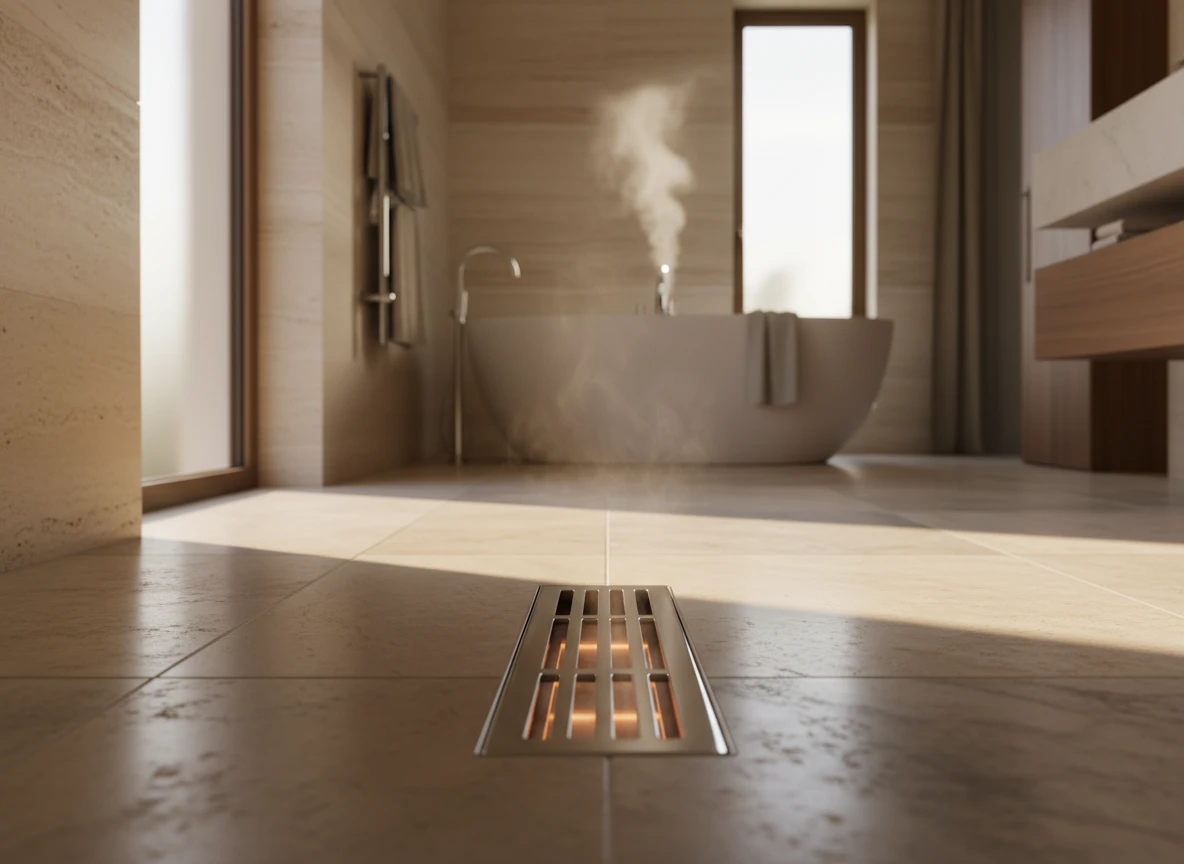
When you first power up underfloor heating after months of inactivity, a faint, dry smell often emerges. This is simply accumulated household dust,mostly skin cells, organic fibers, and microscopic debris,settling onto the subfloor assemblies. As the cables warm up, this debris undergoes low-temperature pyrolysis. The organic material carbonizes and burns off, a process that typically completes within 60 to 120 minutes. It's a self-limiting phenomenon; once the particulate matter is consumed, the odor vanishes completely. If you are operating modern electric floor heating systems sourced from reputable suppliers of underfloor heating, this brief thermal purging is entirely benign and shouldn't cause alarm.
But a persistent, sharp, or chemically acrid odor points to a far more destructive physical event. When heating wire overheating occurs, the source isn't surface debris, but the breakdown of the cable's physical layers. High-quality resistance cables are insulated with durable polymers like cross-linked polyethylene (XLPE) or fluoropolymers. When localized electrical resistance spikes,often due to a nicked conductor during installation or a loose connection terminal,the temperature at that point can exceed 200°C. This extreme heat initiates polymer degradation, releasing volatile organic compounds (VOCs) that smell distinctly of melting plastic. This is a common failure mode in poorly installed domestic and commercial heating setups.
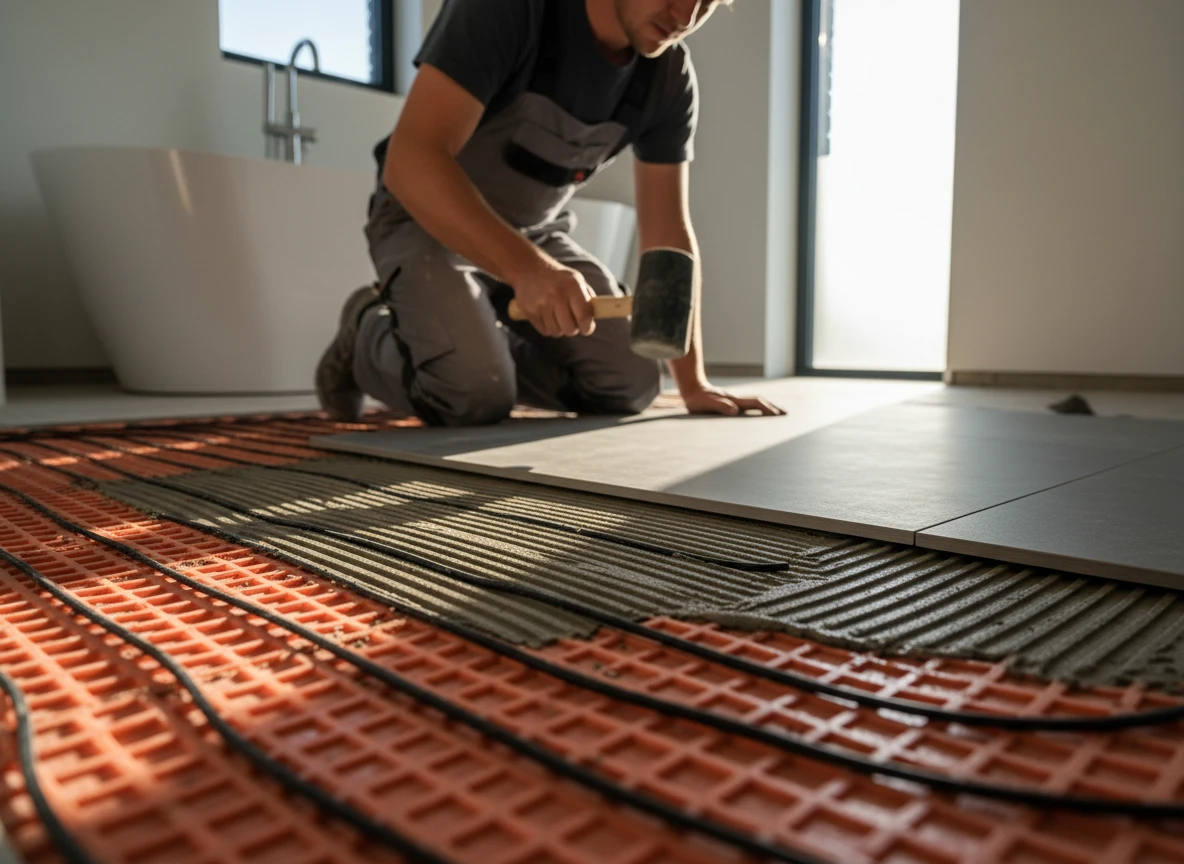
Another major driver of these severe issues is thermal trapping. If a homeowner places heavy, insulated rugs, dog beds, or low-clearance furniture over an active heating zone, the heat can't dissipate into the room. This thermal barrier forces the energy back down into the screed and adhesive layers. The localized temperature spikes, cooking the tile adhesives, leveling compounds, or underlayments. These materials aren't rated for sustained high-temperature exposure and will release pungent, synthetic chemical odors as they degrade. This scenario is highly common with retrofitted bathroom floor heating installations where carpet or thick bath mats are placed directly over the heated tiles.
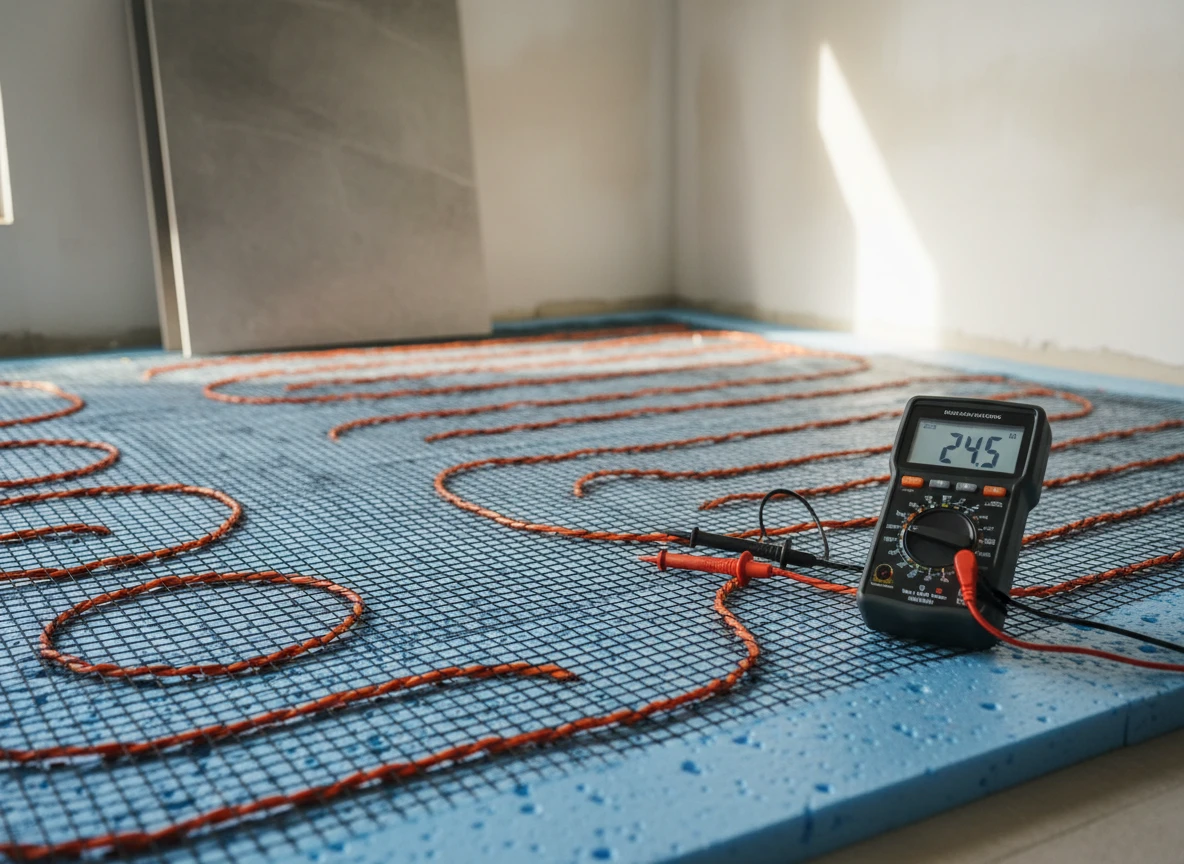
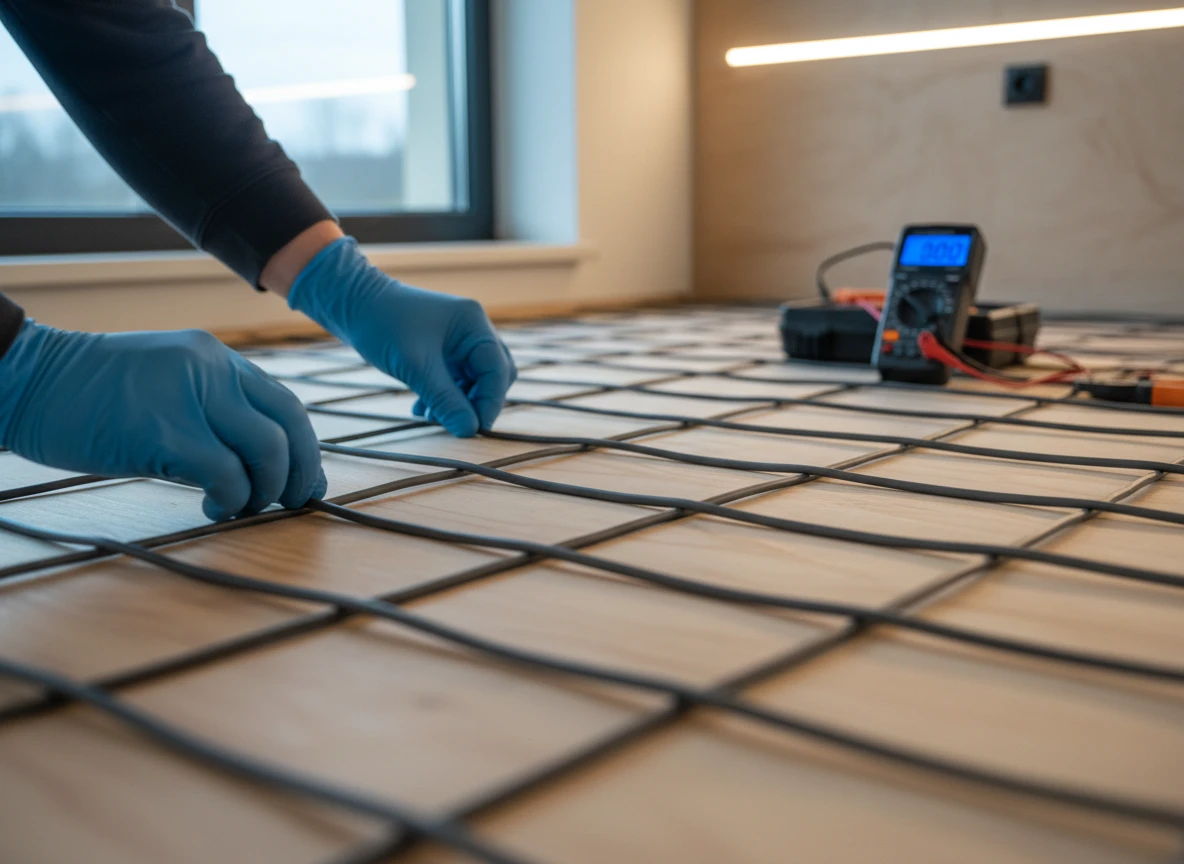
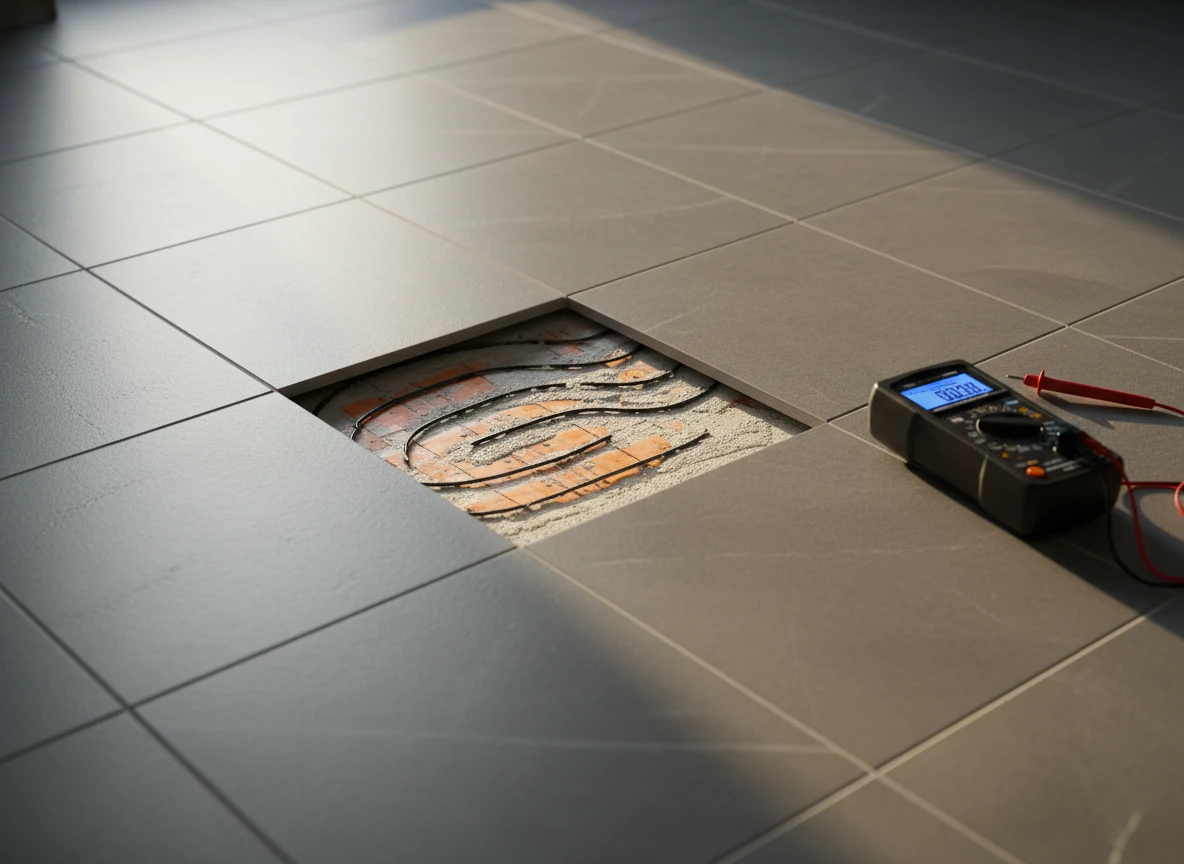
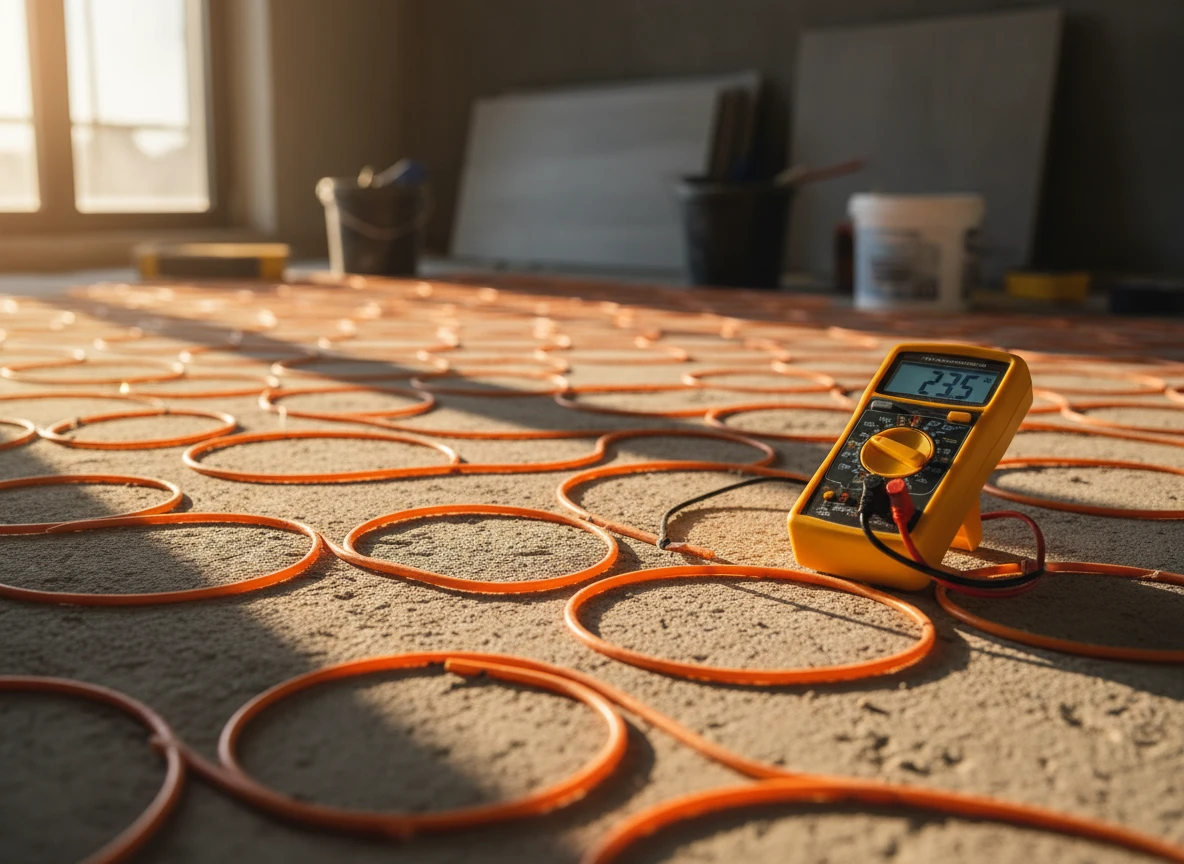
At Integro Process Heating Solutions, we analyze thermal transfer dynamics where precise heat dissipation is critical. When thermal energy is trapped, the resistance of the heating alloy changes. Some materials experience a positive temperature coefficient effect, while others maintain steady output, exacerbating the localized thermal runaway. If you suspect an electrical fault rather than simple dust, checking the system with a digital multimeter is an essential diagnostic step. Measuring the resistance between the heating core and the earth braid can instantly confirm if the insulation has suffered a dielectric breakdown. Unlike water-based hydronic radiant floor heating setups, which might suffer from pump or boiler issues, electric systems don't leave much margin for error when insulation fails.
To safely run your system, understanding these physical boundaries is key. You can find more detailed parameters on managing active duty cycles in our technical guide on whether to leave floor heating solutions running continuously. To ensure high-quality hardware, always consult trusted manufacturers of underfloor heating or exporters of underfloor heating who build systems to rigorous safety standards. It's also wise to cross-reference designs with certified manufacturers of underfloor heating systems or reputable exporters of underfloor heating systems to prevent field failures. Ultimately, distinguishing between a harmless seasonal burn-off and a critical electrical hazard comes down to duration, odor profile, and systemic behavior. Ignoring a chemical odor can lead to scorched subfloors or complete circuit failure.
Hydronic vs electric underfloor heating: mapping the smells to the tech
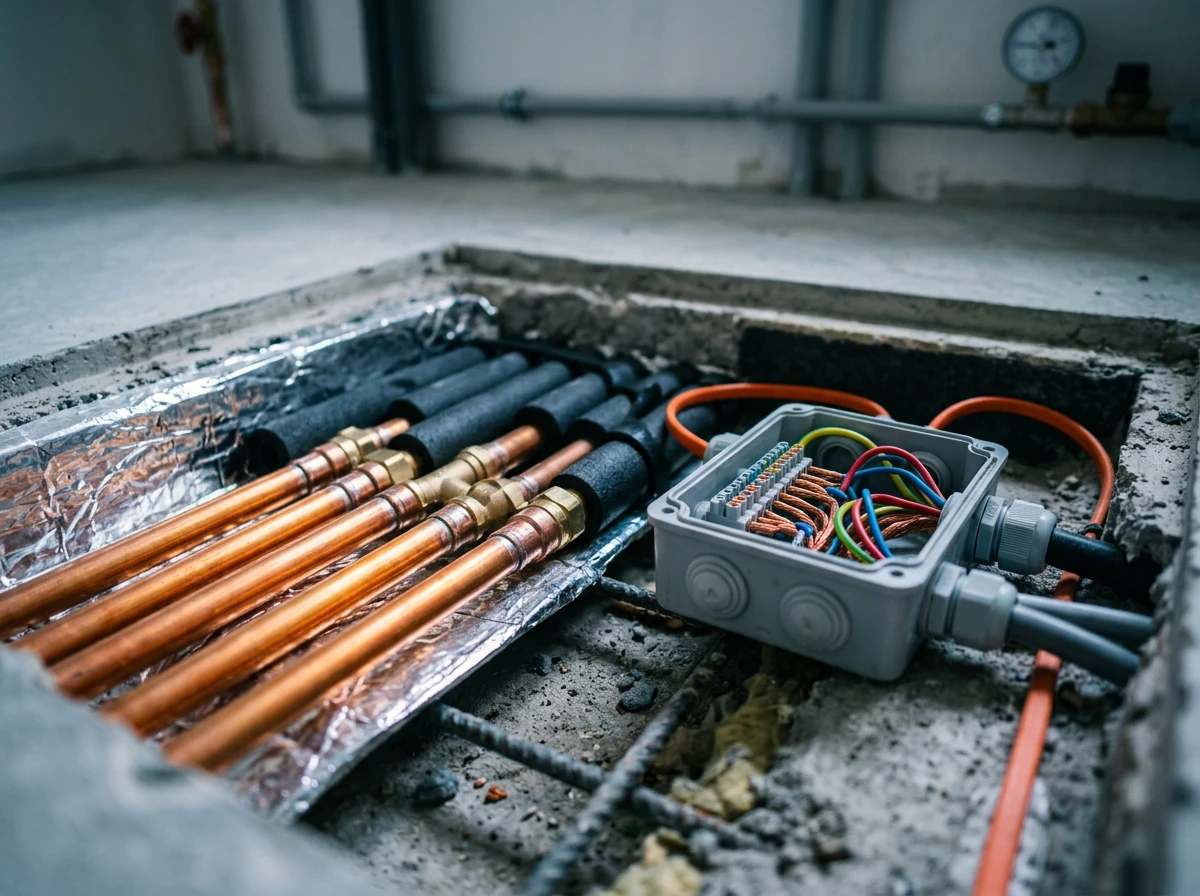
Data from residential mechanical audits indicates that over 70% of underfloor heating scent complaints are misdiagnosed because homeowners don't map the specific odor to their system's heating medium. If your system runs on water, you're dealing with entirely different thermal physics than someone running resistive wiring. At Integro Process Heating Solutions, we design heavy-duty thermal systems, and we know that the root cause of any thermal scent is always tied to the physical medium of heat transfer.
Hydronic systems: mechanical and fluid odors
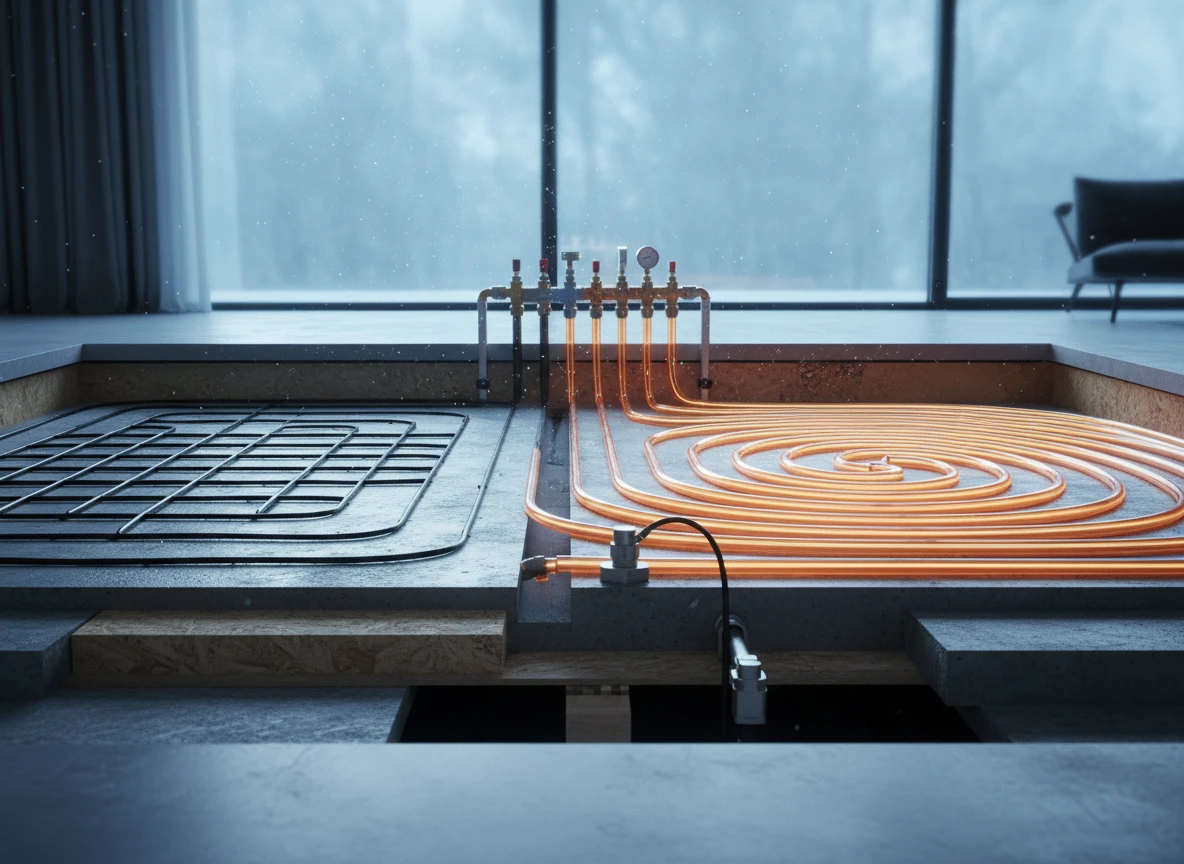
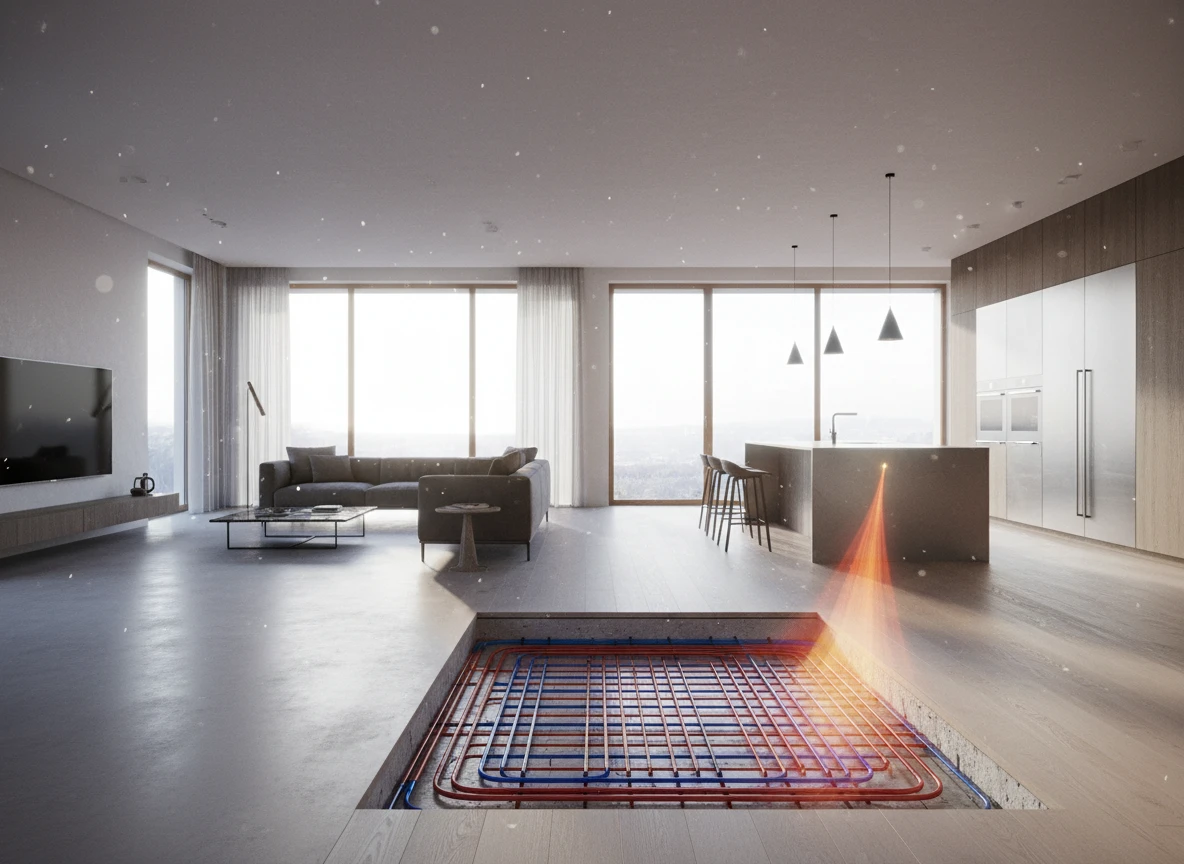
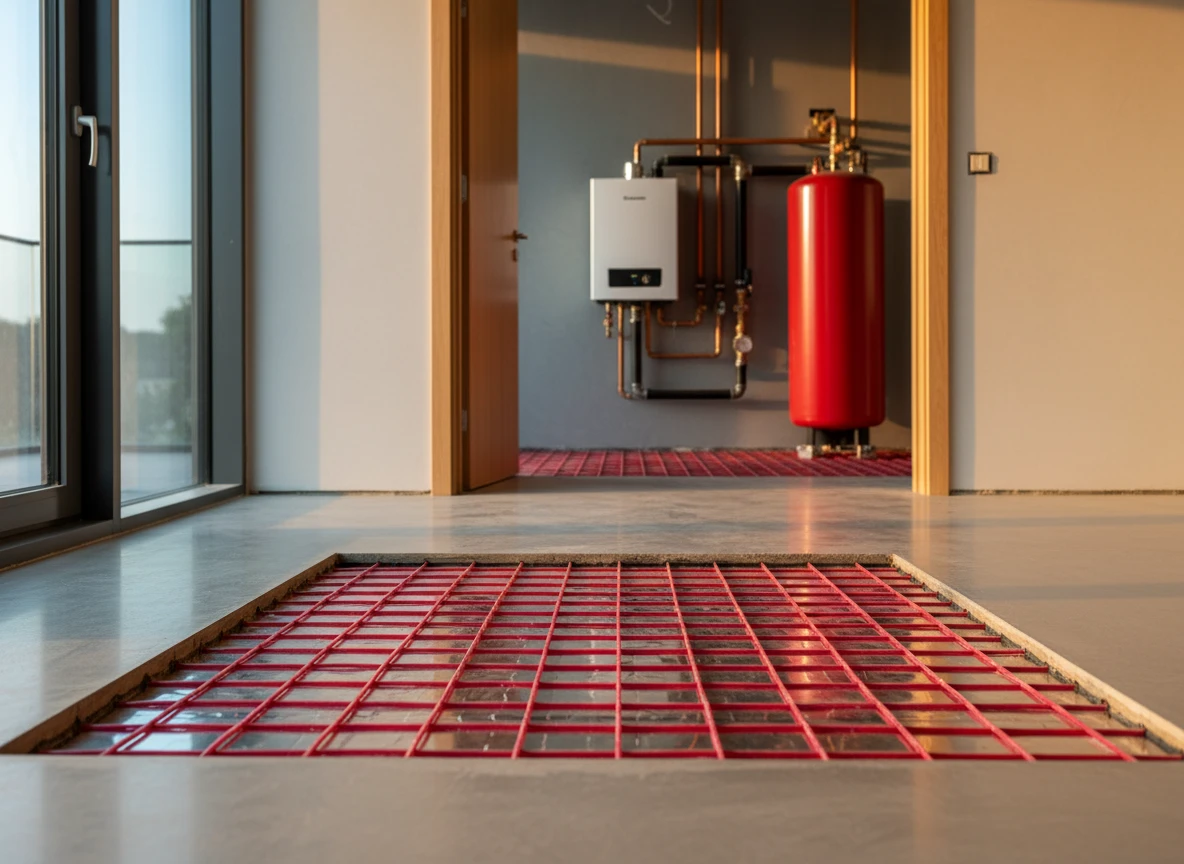
Hydronic radiant floor heating systems rely on heated water pumping through flexible PEX piping. When these systems smell, the issue is almost never an electrical short under the floorboards. Instead, you're likely smelling stagnant manifold water, decaying bacterial biofilms, or boiler combustion byproducts.
Sometimes, an over-pressurized boiler venting air into a utility space smells like stale metallic steam or hot oil. If the system was installed using substandard insulation underlayment, sustained exposure to 50°C water pipes can slowly bake the subfloor adhesives, releasing a faint, sweet chemical off-gassing. This is fundamentally different from industrial systems where we use specialized domestic and commercial heating standards to isolate thermal fluids from architectural finishes.
Electric systems: polymer degradation and high-amp resistance
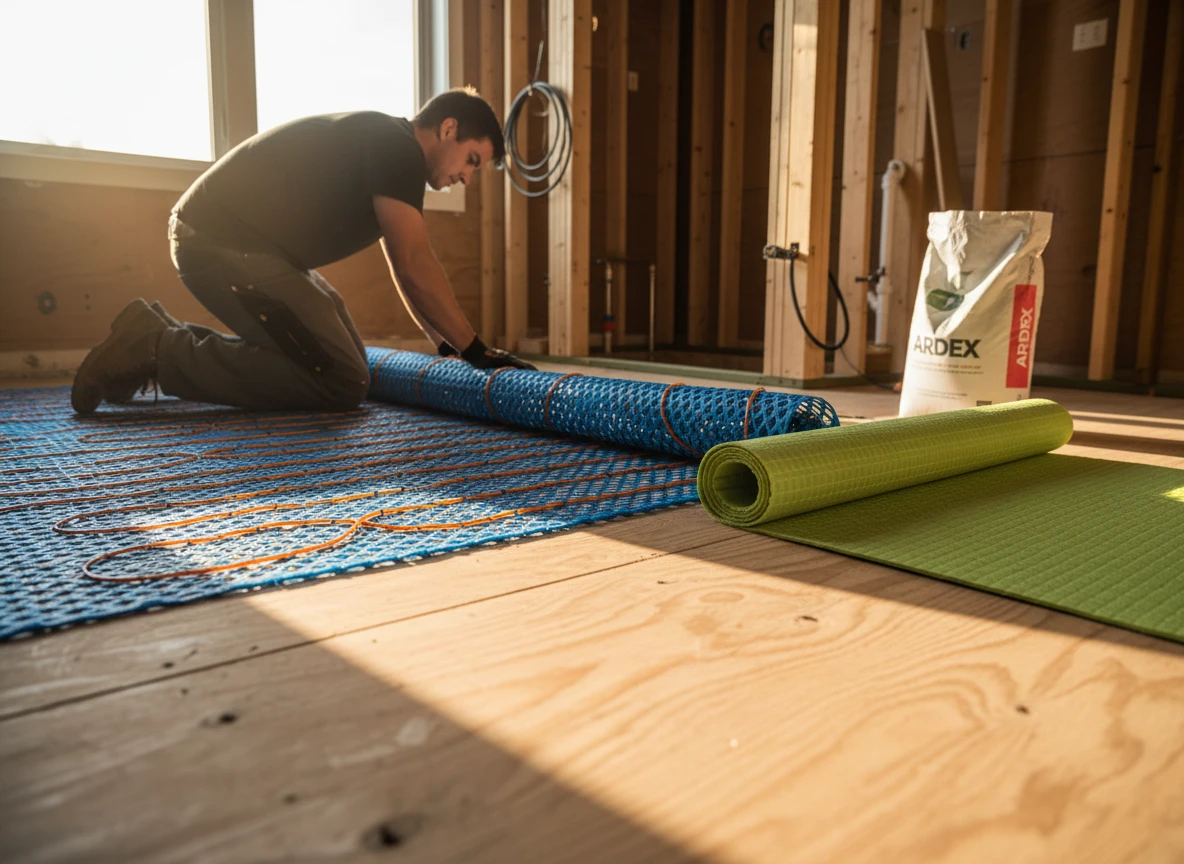
With electric underfloor systems, the threat profile changes completely. These systems use solid-state resistive cables that generate heat directly beneath your flooring. If you smell something resembling charred fish or melting plastic, an electric floor heating system is likely experiencing localized high resistance.
This occurs when a cable is nicked during installation or when heavy furniture causes "thermal blocking," trapping heat and melting the cable's outer polymer sheath. It's a risk similar to what we analyze when evaluating industrial self regulating heat trace setups, where improper installation leads to localized hot spots. While we construct highly insulated systems like flexible heating jackets and insulated heating jackets to safely contain thermal energy, residential electric floor heating systems lack that heavy-duty shielding.
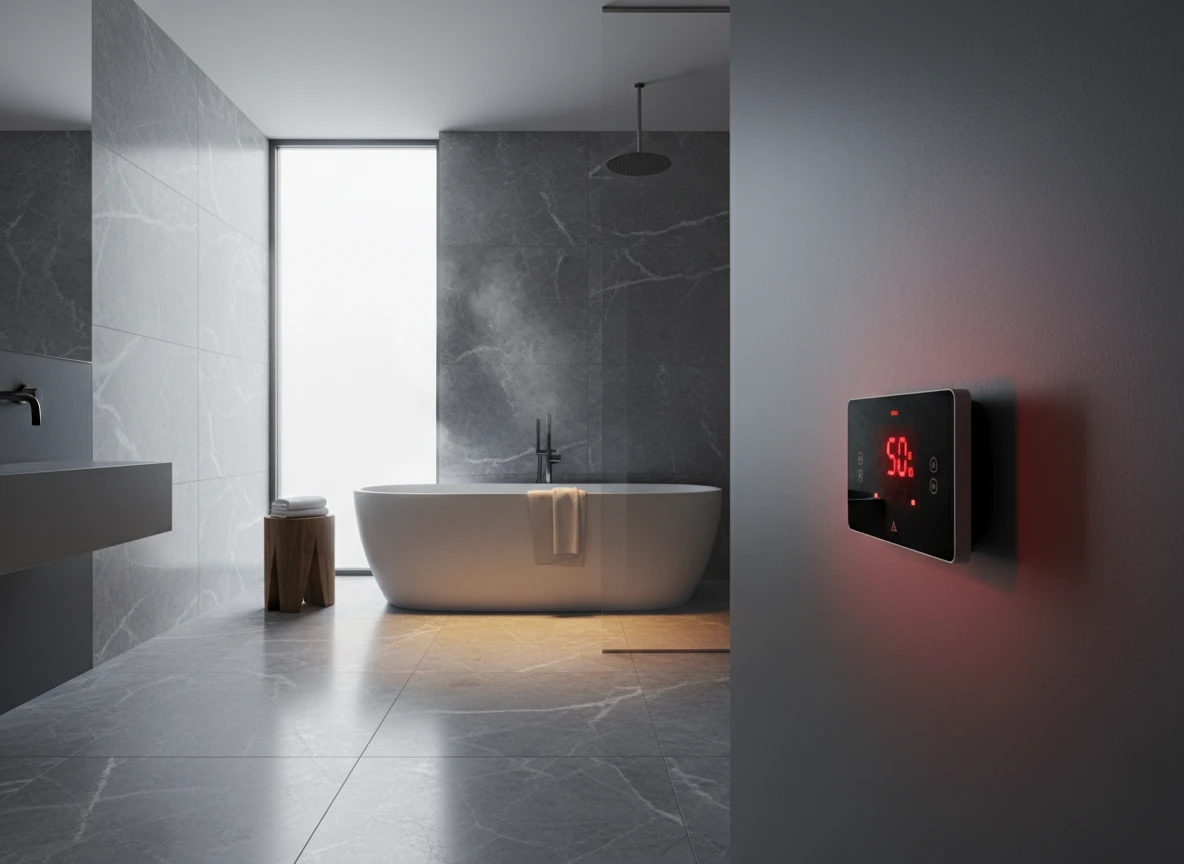
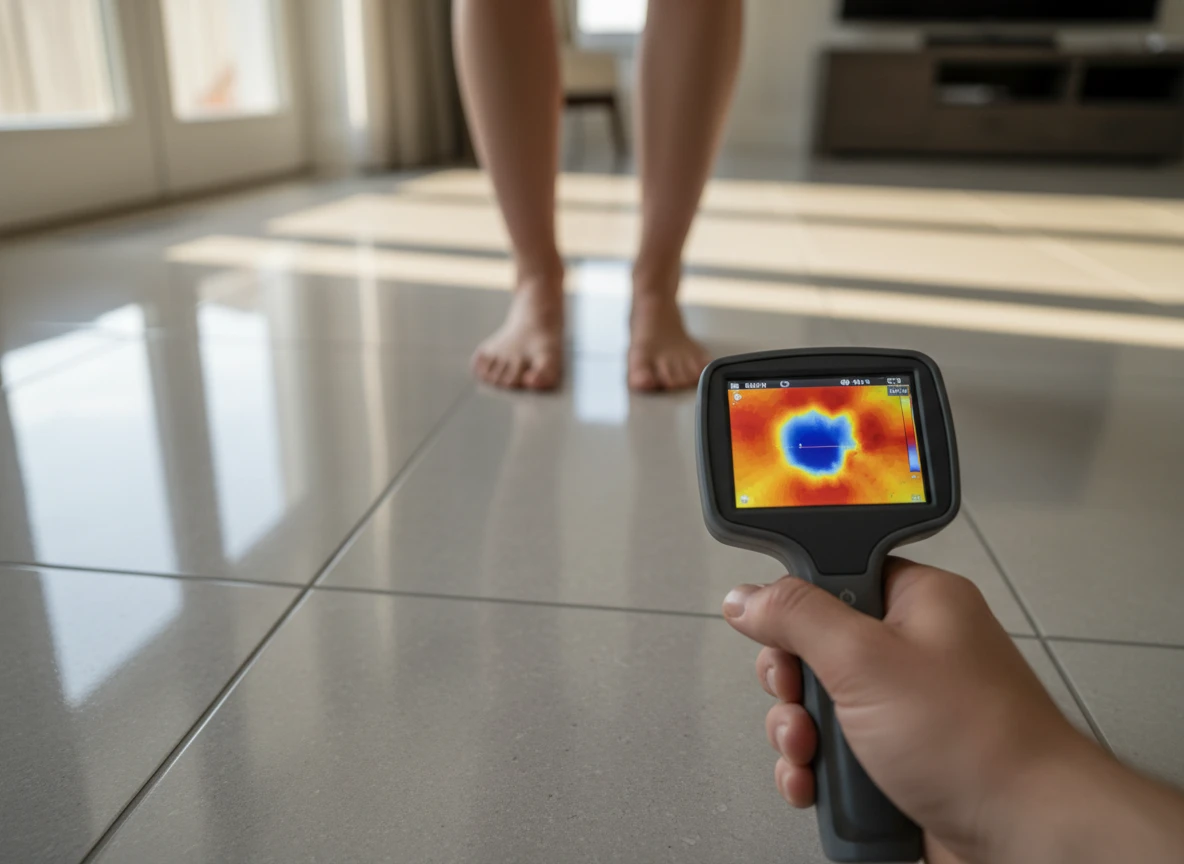
To isolate the source, check if the smell is localized to a specific tile or room zone. Admittedly, pinpointing the exact origin under thick screed can be tricky without thermal imaging, but the odor profile itself rarely lies. If you notice a sharp, ozone-like smell near the thermostat, the wall terminal block is likely overloaded. This is a common failure point when installers connect too many heating mats to a single circuit without a dedicated contactor. For large-scale thermal management, industrial operations rely on a controlled heating chamber or a heavy-duty drum heating chamber to isolate high-wattage electrical connections, but in a home, your wall cavity serves as the junction box, making loose terminations a direct fire hazard.
How to isolate and resolve the burning odor safely
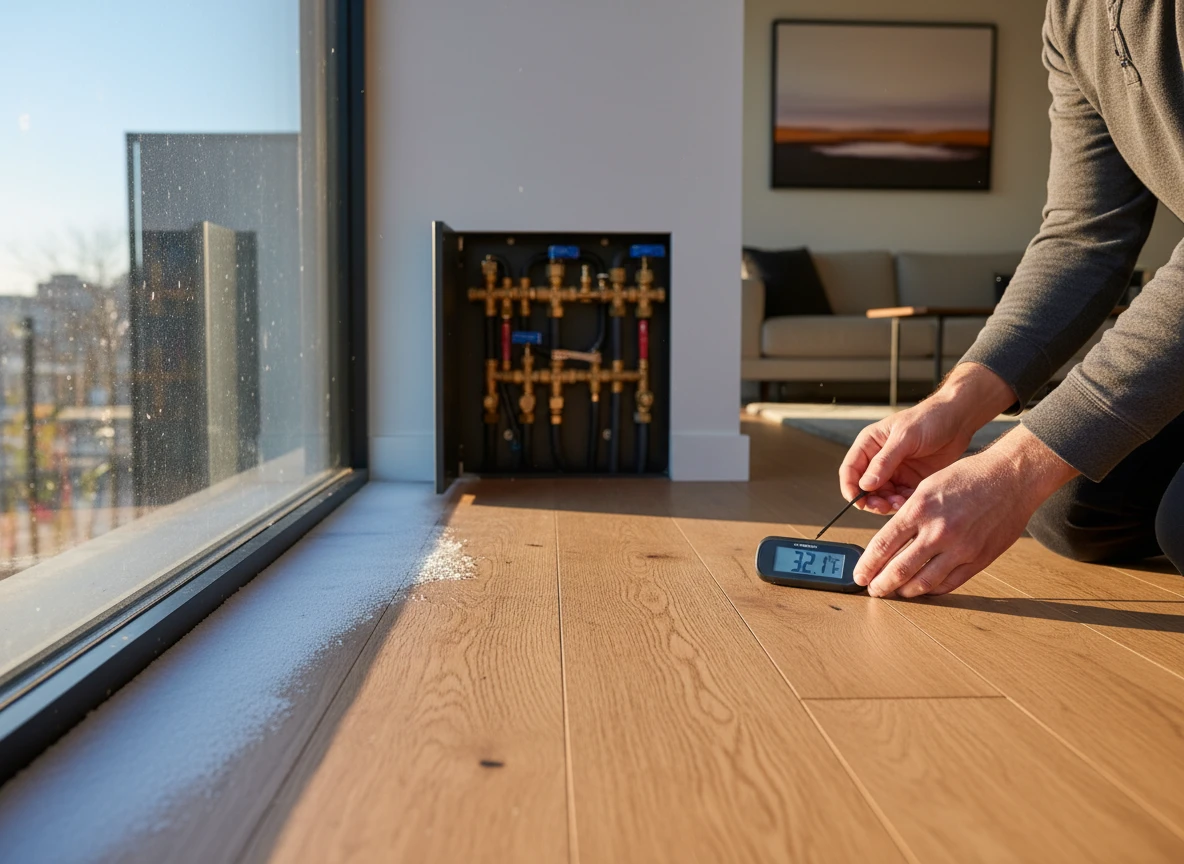
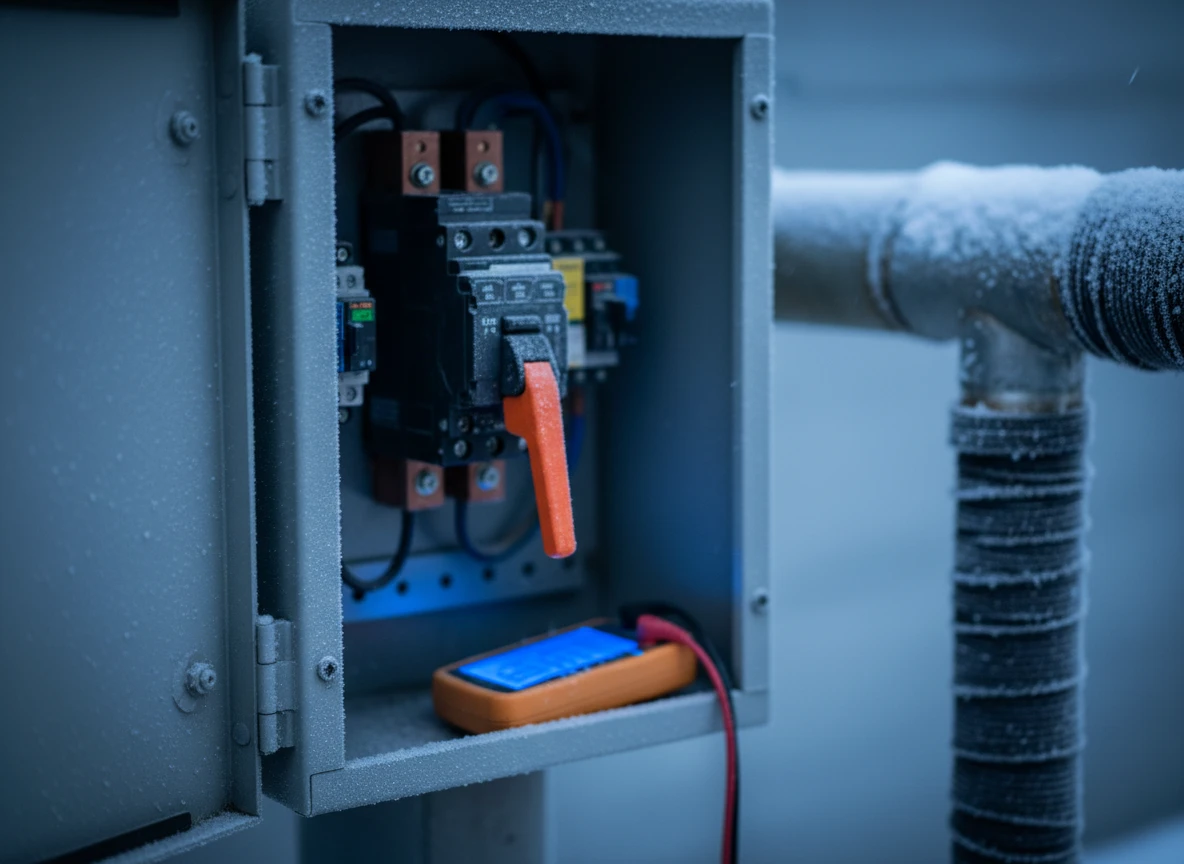
How to isolate underfloor heating odors step-by-step\n\nImagine stepping onto your bathroom floor on a freezing Tuesday morning. You expect cozy warmth. Instead, you get hit by a sharp, chemical stench of melting plastic. Your first instinct is probably to sniff around the baseboards. Don't do that yet. Your very first move has to be mechanical, not investigatory: kill the power.\n\nHead straight to your breaker box. Flip the switch for the floor heating. Don't just click off the wall thermostat. If a relay has welded itself shut, the system will keep drawing power and cooking itself, even if the screen is totally dark.\n\nWith the power dead, you can start tracking the smell. Is it coming from the thermostat on the wall, or is it rising from the floor? If you have a thermal camera, scan the tiles. A bright hot spot under a rug or a dog bed means thermal blocking. That's where trapped heat cooks the floor adhesive or underlayment. It doesn't find every single subfloor issue, but it usually catches the big ones.\n\nIf you know your way around a multimeter, pull the thermostat off the wall to get to the wires. Test the resistance of the floor sensor and the heating cable. Then, compare those numbers to what the manufacturer says they should be. A reading of zero ohms means you have a short. An infinite resistance reading means the cable snapped or burned right through.\n\nAt Integro, we use these same electrical testing principles for our heavy-duty industrial setups, whether we are building complex process systems or checking residential heating. If your multimeter shows a fault under the tiles, put the hammer down. Don't start chipping at the grout.\n\nJust like industrial plants use specialized insulated heating jackets or drum heating jackets to control heat without ruining materials, home floors need professional tools. A pro electrician can use a fault locator to find the exact spot where the cable failed. That saves you from ripping up the whole bathroom floor. Leave the power off until they tell you it's safe.
The limits of DIY: when you must step away from the tools
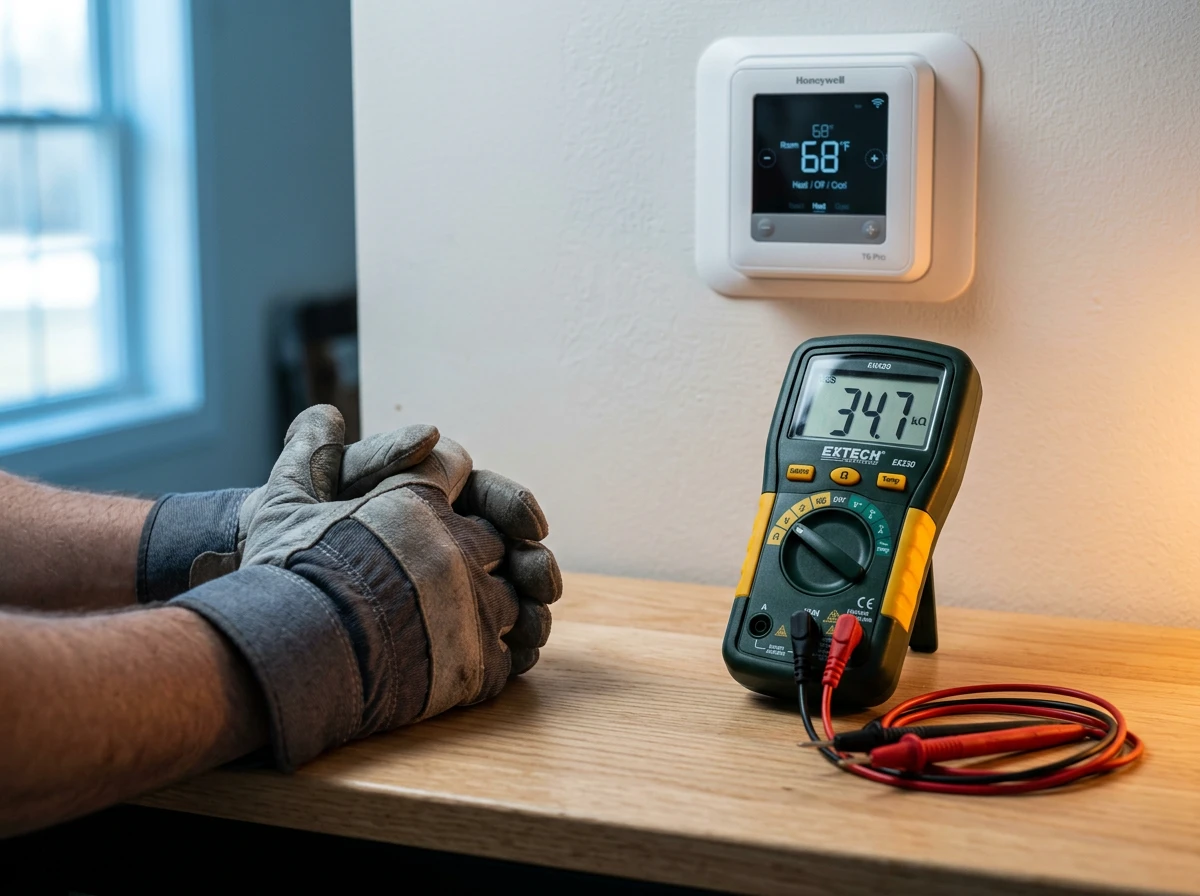
Why subfloor diagnostics demand specialized eyes
You turned off the power and checked the thermostat. Good. But if that acrid, chemical smell is still there, put the tools down. You're out of your depth. Ripping up tiles or slicing through laminate to find a suspected heating wire overheating issue is stupid. Underfloor heating operates in a highly compressed, unvented space. One loose crimp or bad splice under your floor will trigger an arc flash. It's not a matter of if, but when.
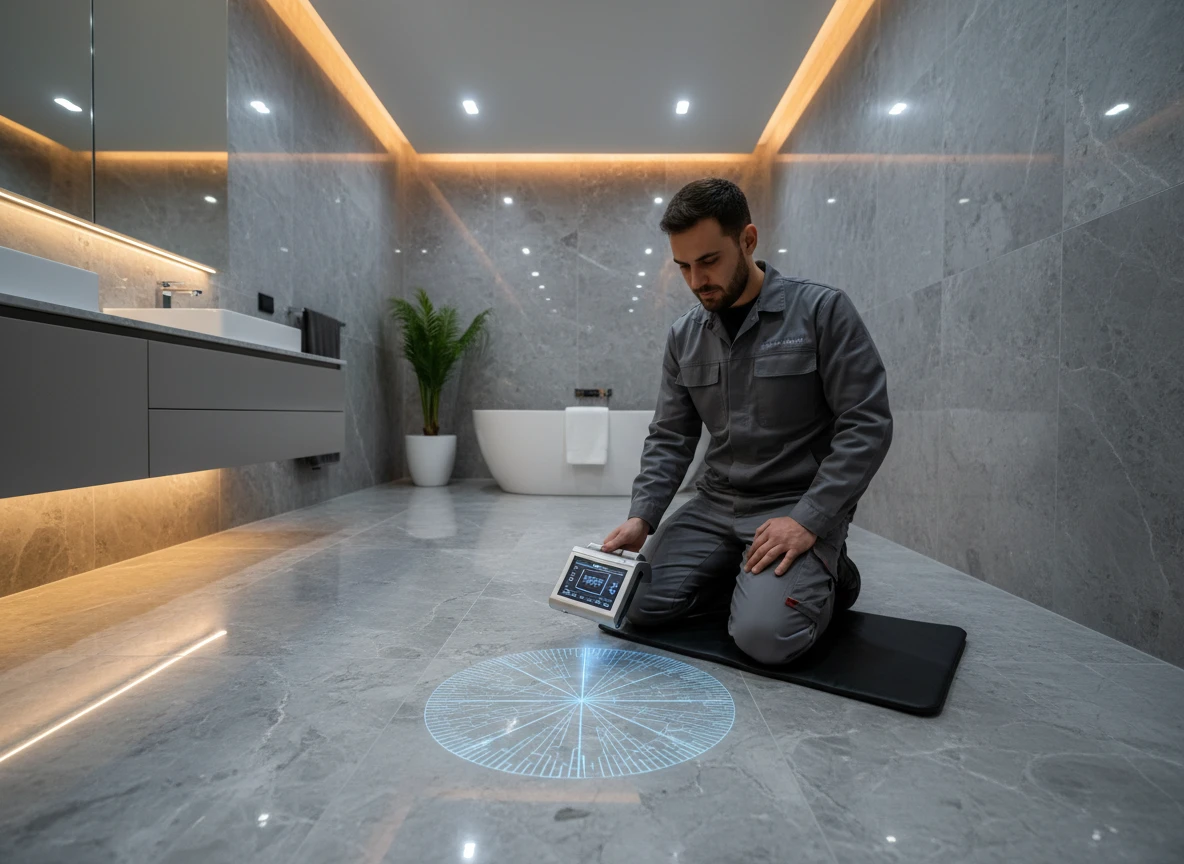
At Integro Process Heating Solutions, we watch minor electrical faults turn into total system write-offs because someone tried to wing it. Professionals don't guess. We use thermal imaging cameras and high-precision megohmmeters to find the exact spot where the insulation failed, saving you from tearing your entire room apart. Whether it's a home setup or a commercial system, you need expert eyes to keep it safe. This isn't just about floors, either. Precise temperature control is a hard requirement in any heating application—just look at how industrial setups rely on specialized ibc heating jacket systems to handle sensitive materials without dangerous hot spots.
Don't ignore that chemical smell. That's polymer degradation. Your cable insulation is melting right now. Keep running that system, and you risk burning your house down. Don't assume your smart thermostat will save you, either. Those sensors rarely catch slow-burning insulation damage before it's too late. DIY wire splices always fail under continuous thermal loads. Period. Trying to patch a shielded heating cable with electrical tape is a code violation that will instantly void your home insurance. Put the wire strippers down. Call a certified technician who actually has the gear to isolate the short circuit safely.
Ensuring a safe, odor-free winter underfoot
Once you've made the smart choice to step away from the tools and let a professional handle those suspected electrical faults, the focus shifts to long-term reliability. How do you prevent these issues from creeping up again next winter? It really comes down to proactive care.
At Integro Process Heating Solutions, we spend our days designing heavy-duty drum heating jackets and industrial thermal systems where heat management is everything. But whether you're managing a massive factory floor or simply trying to keep your toes warm, the fundamental principles of thermal safety don't change. Correcting odd underfloor heating smells early is what keeps a minor nuisance from becoming a costly hazard.
So, what's your best move going forward? Start with an annual pre-winter check. Turn on your radiant floor heating systems a few weeks before the deep freeze sets in. This gives you plenty of time to burn off harmless dust or catch a lingering chemical odor before you actually need to rely on the heat. If an odor doesn't fade after a couple of hours, don't ignore it or try to mask it with air fresheners. Shut down the power and get a certified technician to run a diagnostic.
Ultimately, the best floor heating solutions are the ones you don't have to think about. By paying attention to those early sensory warning signs now, you ensure your home stays perfectly warm, safe, and completely odor-free all winter long. What step will you take this weekend to audit your system's performance before the cold weather really bites?
If your heating setup needs custom engineering or reliable industrial equipment, Integro Process Heating Solutions handles it — check out their tailored heating systems today.
Frequently Asked Questions
Is it normal for underfloor heating to smell like burning when first turned on?
Most of the time, that faint dusty smell during the first cold snap is just summer dust burning off the elements. It's totally normal and usually clears out within an hour or two.
Why does my electric floor heating smell like melting plastic?
That's a major red flag that points straight to wire overheating, failing insulation, or a loose terminal connection. You'll want to shut off the breaker immediately before it turns into a fire hazard.
Can hydronic underfloor heating systems produce a burning odor?
Water-based systems don't have electric heating cables, so any weird smells usually trace back to boiler issues, trapped dust near the manifold, or stagnant components heating up.
What happens if you put thick carpeting over electric radiant floor heating?
Heavy materials trap heat instead of letting it radiate into the room, which can scorch the flooring adhesive or underlayment and create a nasty chemical or fish-like stench.
When should you call an electrician for underfloor heating smells?
If the acrid smell sticks around for more than a couple of hours or smells like hot rubber, don't mess with it. It's time to bring in a certified pro with thermal imaging tools to check the subfloor wiring.