- By Admin
- Integro
- The costly myth of the set-it-and-forget-it heat tape
- Why self-regulating cables are silently bleeding your wallet
- Understanding the carbon polymer core (and why it never hits zero)
- Taking control with line-sensing and ambient thermostats
- Smart controllers and insulation that actually lock in savings
- Where most installations go completely off the rails
- Stop paying for heat you don't actually need
- People also ask
The costly myth of the set-it-and-forget-it heat tape
The invisible drain on your utility bill
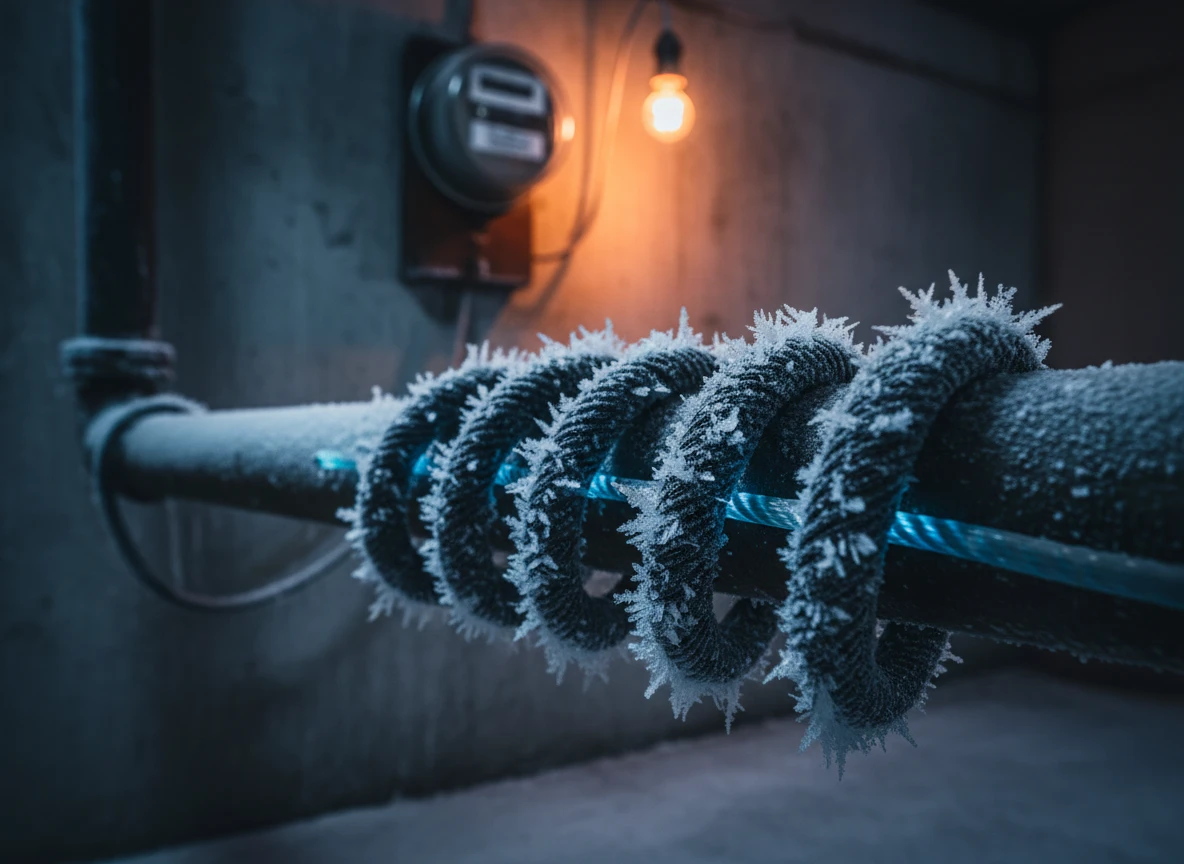
Imagine walking into a facility in late spring, only to find the utility meters spinning as if it's mid-January. You trace the culprit to the outdoor piping. Hundreds of feet of self regulating heat trace cable are humming along, drawing power under a clear 15°C sky.
There is a persistent, expensive assumption that installing a self regulating heat tape system means you never have to think about it again. People believe that because the carbon-loaded polymer matrix adjusts its electrical draw based on local ambient temperatures, it naturally shuts off when warm.
The reality? It doesn't. These cables never drop their current draw to absolute zero. Without an external thermostat or line-sensing controller, they continue to draw a baseline current all year round. We often see unmanaged cables racking up $40 to $60 in wasted electricity per month for every 100 feet of cable.
At Integro Process Heating Solutions, we frequently diagnose these hidden energy drains when auditing commercial and industrial thermal systems. While we specialize in custom engineering, we always stress that even smart materials need proper system control.
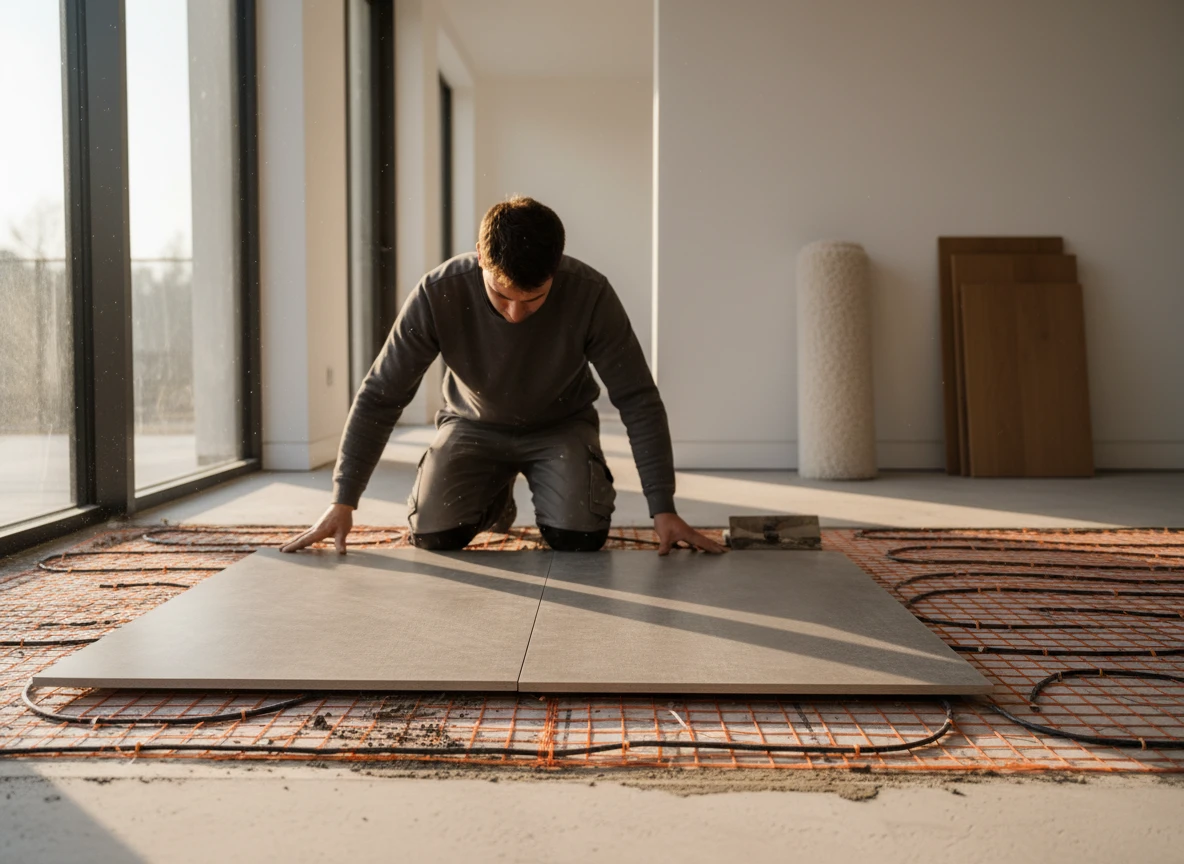
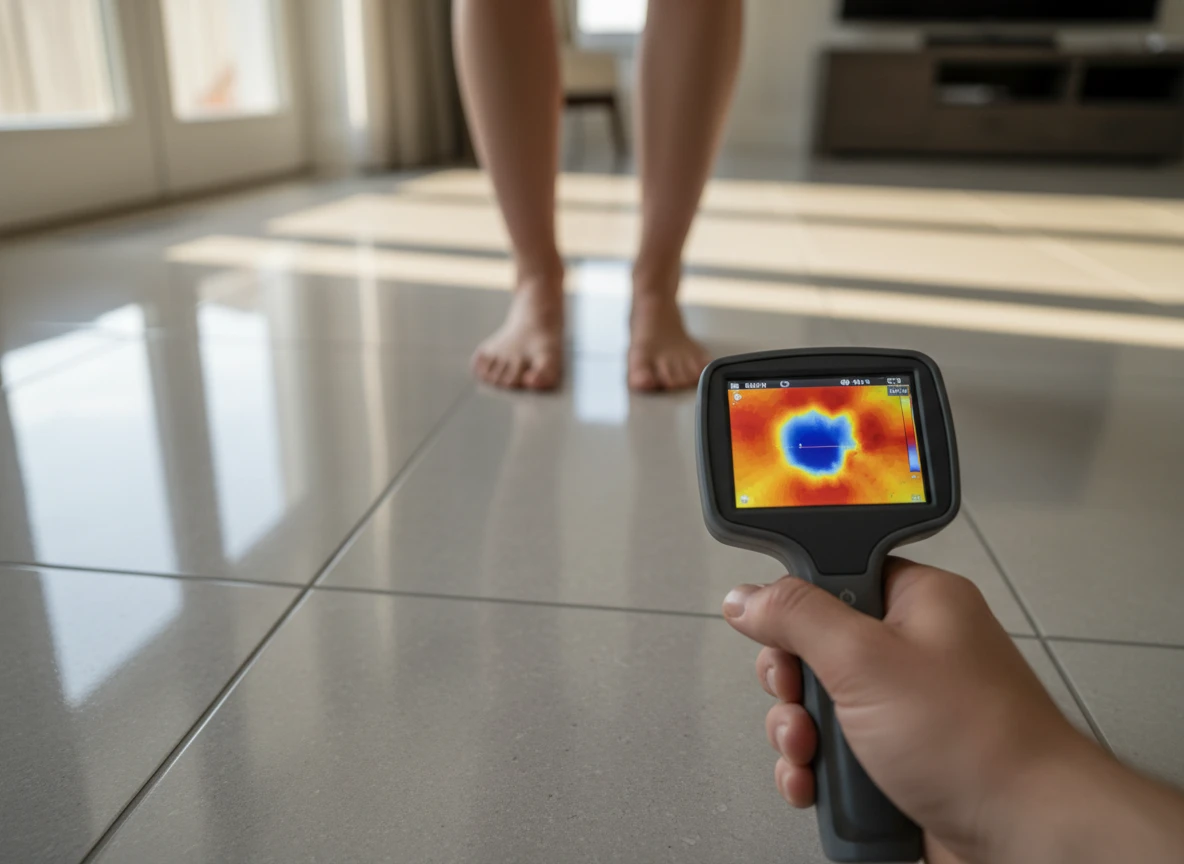
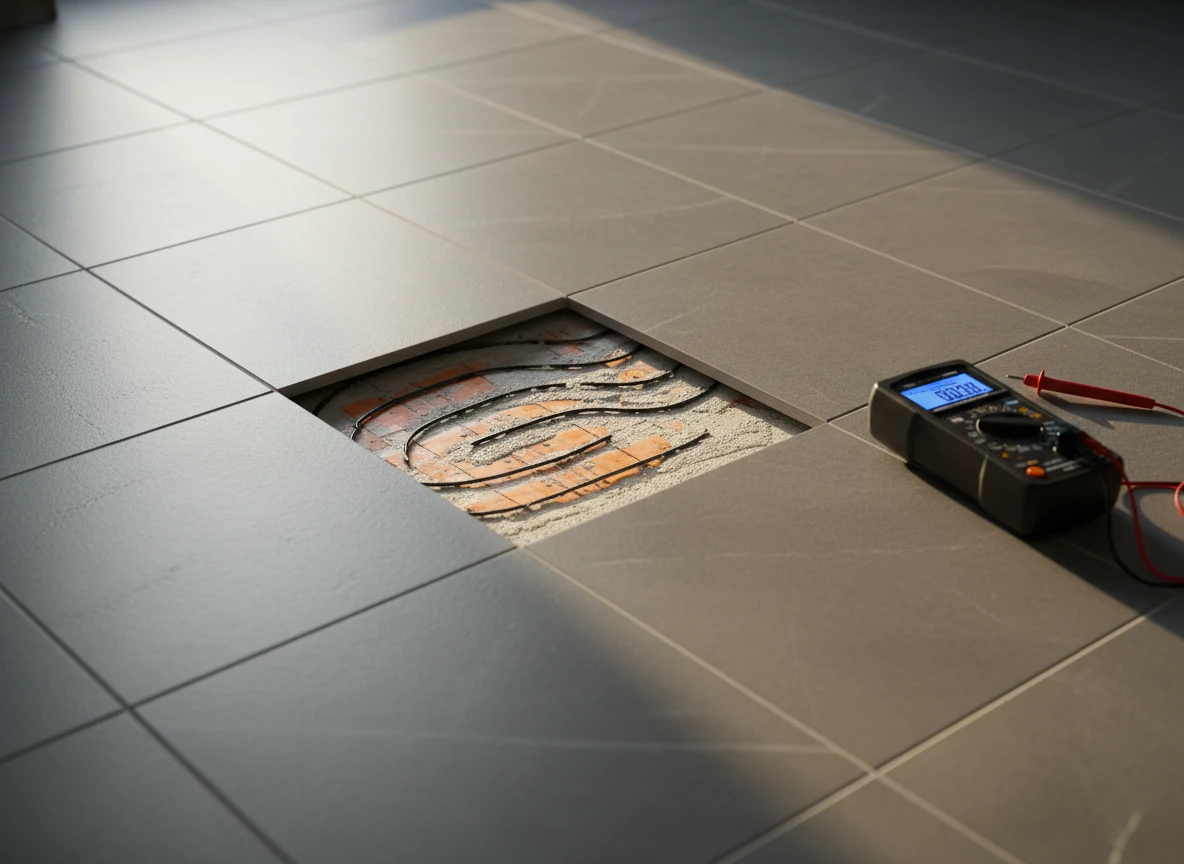
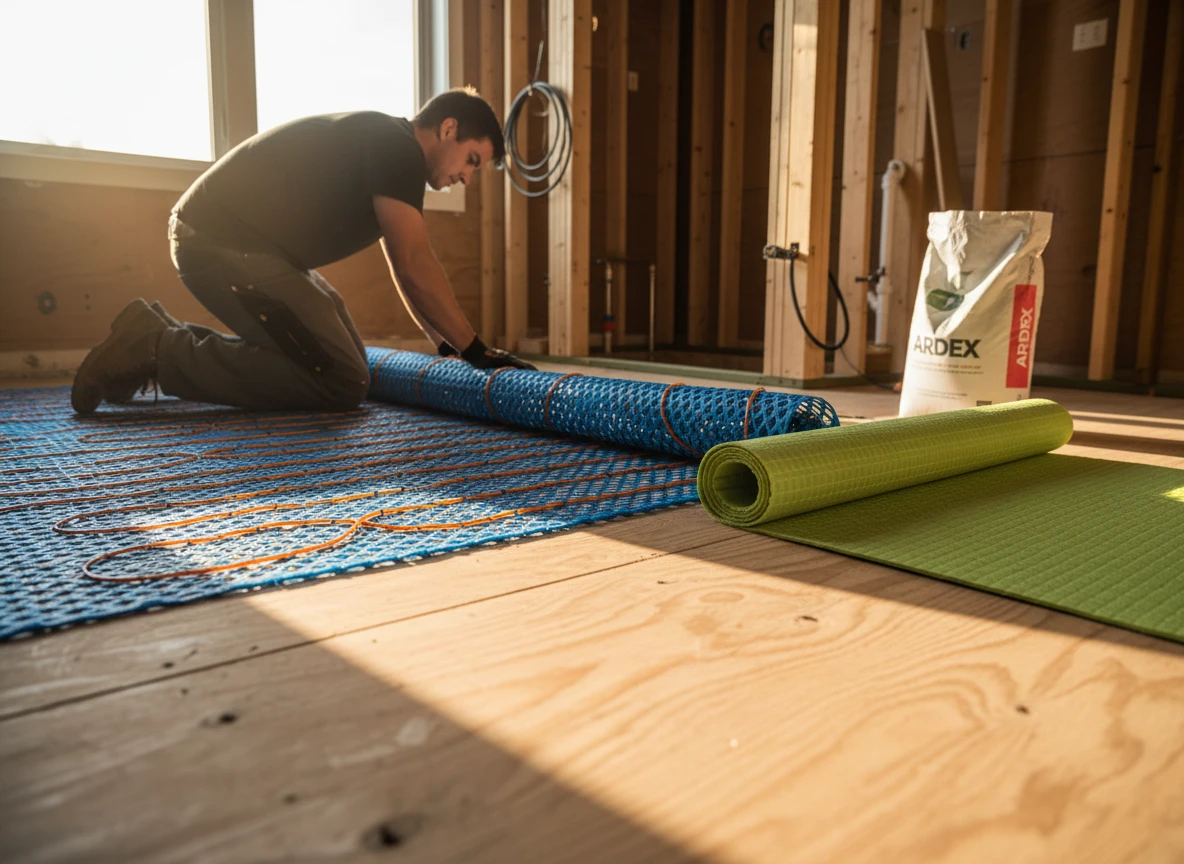
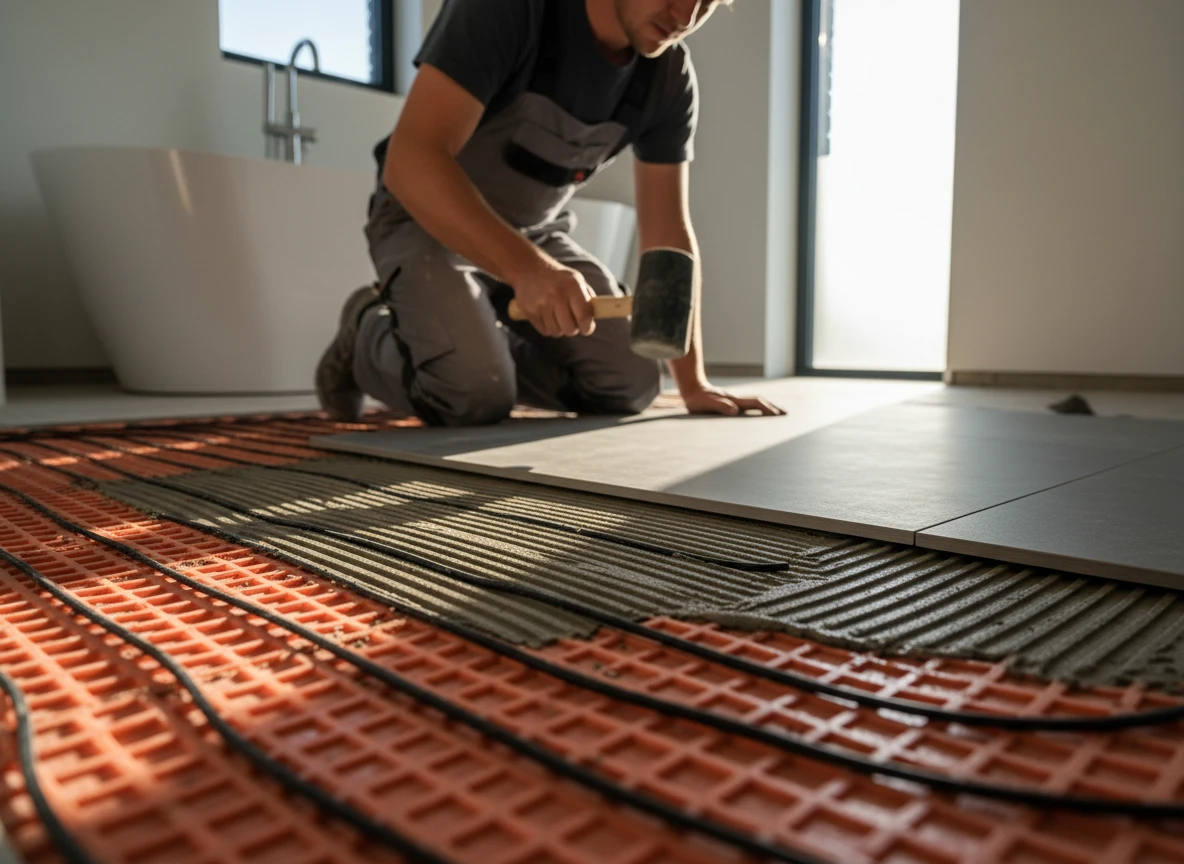
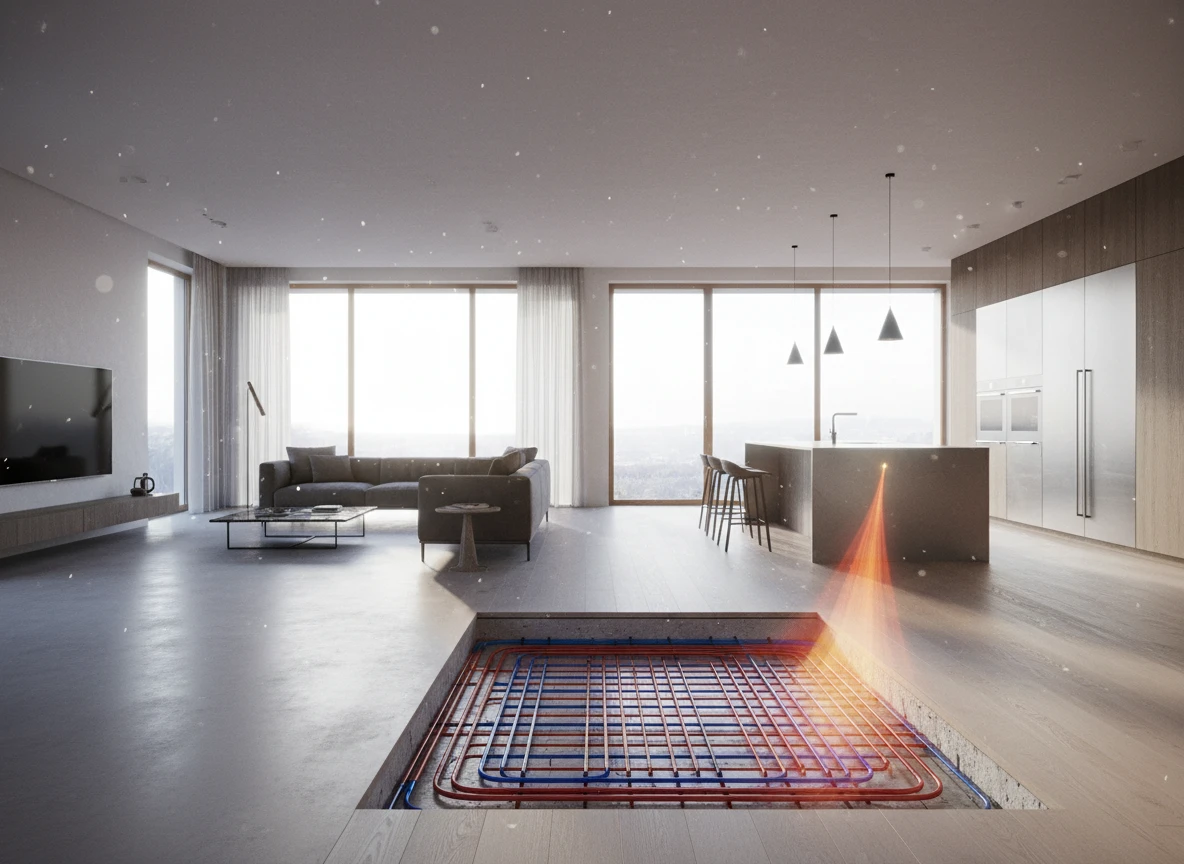
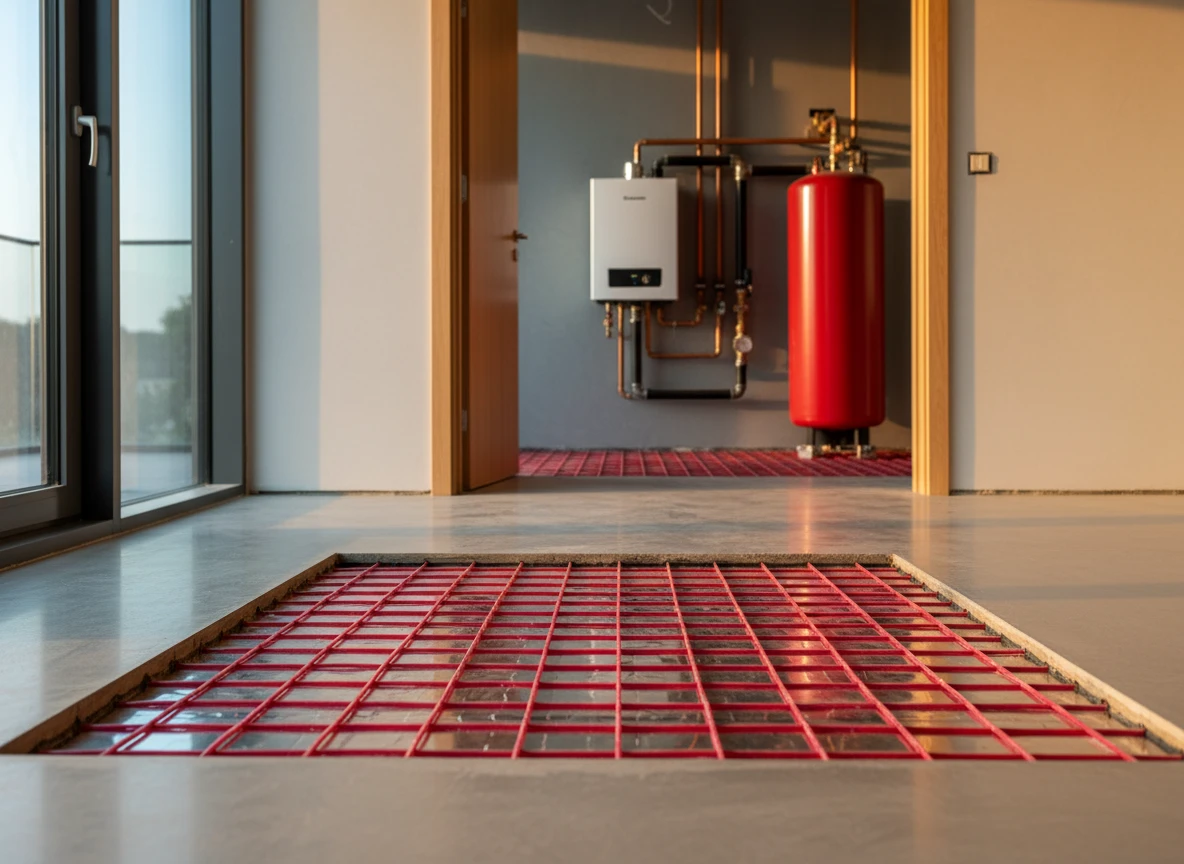
It's a similar issue to what we see with indoor installations; for example, poorly managed electric floor heating systems can suffer from early component failure due to unmanaged thermal cycling. Whether you are installing an industrial trace line or a commercial underfloor heating system, relying solely on raw material properties to manage your energy consumption is a gamble that rarely pays off. If you leave your trace heating completely unmanaged, you're essentially paying to heat the outdoors long after the freeze risk has passed.
Why self-regulating cables are silently bleeding your wallet
A single 100-foot run of standard 8-watt self-regulating heat trace operating continuously through a five-month winter can silently add up to $300 to your utility bills, even when outdoor temperatures climb well above freezing. The root of this financial leak lies in the physics of the conductive polymer core. While these self regulating heating cables are engineered to throttle their output as the ambient temperature rises, they rarely drop their current draw to absolute zero. Instead, they maintain a persistent baseline draw,typically 10% to 15% of their maximum rated power,even in mild spring weather.
If you run 500 feet of unmanaged cable across a commercial roofline or piping network, you are essentially paying for a continuous 400-watt appliance to run 24/7. This constant drain severely compromises your overall radiant heating efficiency, turning a protective measure into a major financial liability. The problem compounds dramatically when insulation is missing or degraded. Without a tight thermal barrier, rapid heat dissipation forces the polymer matrix to stay in a highly conductive, energy-hungry state, demanding full power even on milder days.
At Integro Process Heating Solutions, we frequently see facility managers suffer from this exact oversight. It's easy to mistake this passive energy drain for a physical heat tape failure or a system malfunction, when in reality, the cable's working exactly as designed,just without any limits. Unlike highly optimized indoor setups like electric floor heating, which rely on precise ambient thermostats, raw heat cables are often left plugged directly into outlets year-round without a second thought.
To stop this financial drain, integrating dedicated controllers is mandatory. Transitioning to an engineered setup with ambient-sensing or line-sensing controllers can reduce your seasonal runtime by up to 70%. When designing industrial systems, our team at Integro Process Heating Solutions emphasizes that self-regulation is a safety feature to prevent self-destruction, not an energy-saving strategy. Without automated shut-offs, you are simply subsidizing the local utility grid for heat you don't need.
Understanding the carbon polymer core (and why it never hits zero)
The microscopic physics of self-regulation
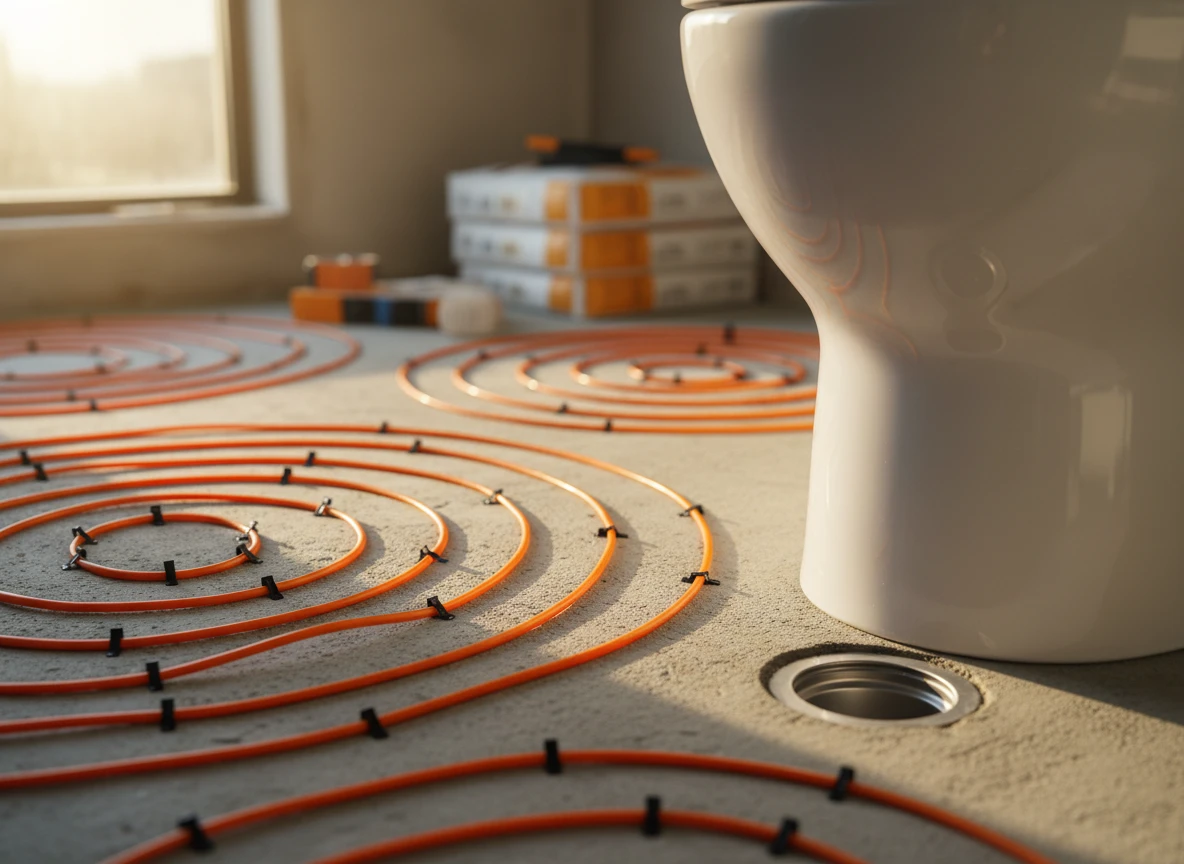
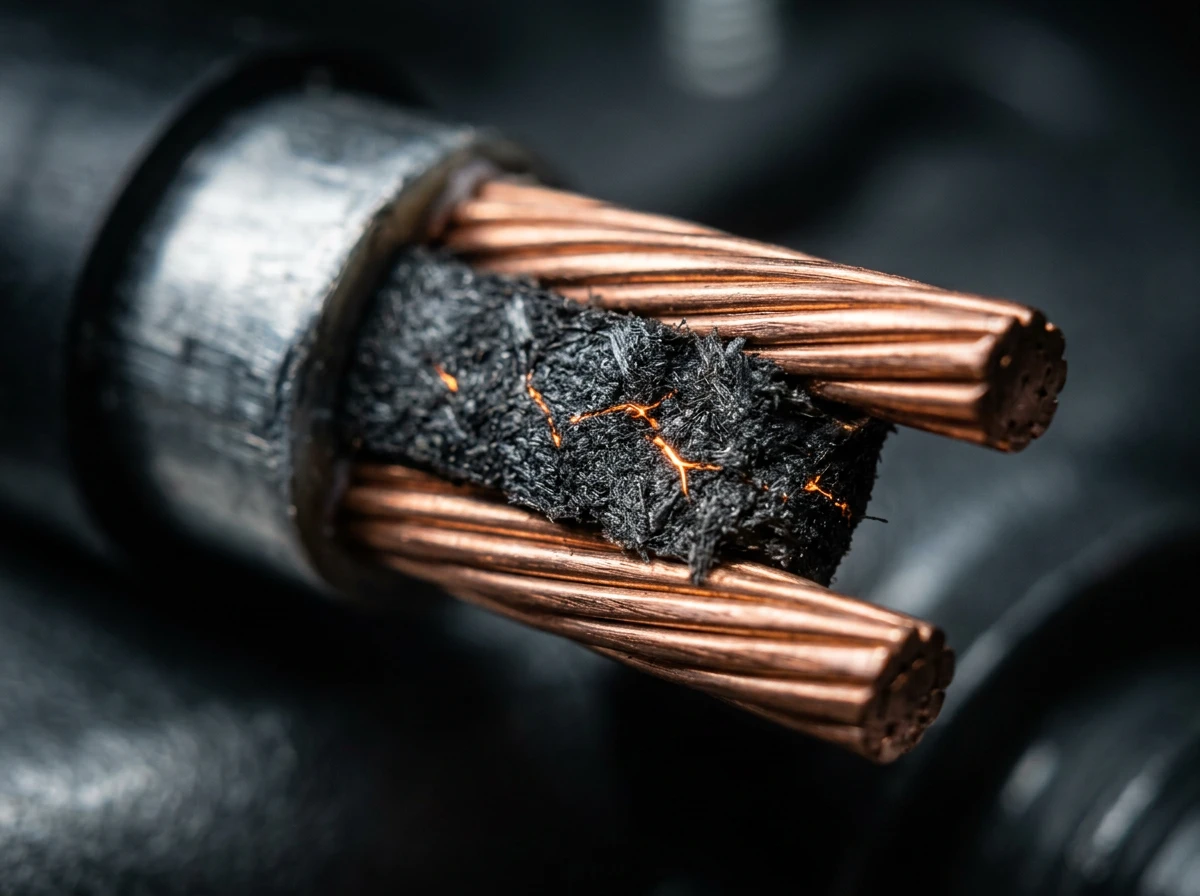
At its core, a self-regulating industrial heat trace system uses a semi-conductive polymer matrix extruded between two parallel copper bus wires. This polymer is packed with microscopic carbon black particles. When ambient temperatures drop, the polymer contracts. This physical contraction squeezes the suspended carbon particles together, which instantly creates thousands of microscopic electrical pathways across the matrix.
Current flows across these carbon bridges to generate thermal energy, providing the necessary pipe freeze protection. But as the pipe warms, the polymer matrix expands. This microscopic swelling pulls the carbon particles apart, breaks the conductive paths, and spikes the electrical resistance.
Here is the catch: molecular expansion never fully severs every single pathway. The physical structure of the polymer matrix prevents total isolation of the carbon particles unless the material actually melts. Because of this, a baseline parasitic current always remains, even in high ambient temperatures.
At Integro Process Heating Solutions, we design systems around this exact thermal behavior. We build heavy-duty industrial hardware like a customized drum heating chamber or a high-capacity heating chamber to handle massive thermal loads. Yet, smaller applications face the exact same physics. If you leave them unmanaged, domestic heating setups, drum heating jackets, and insulated heating jackets on process lines will continuously bleed energy.
Relying solely on the material's physical properties to shut off is a mistake, even when you use specialized flexible heating jackets or an ibc heating jacket. This is not just an industrial piping issue. Residential and commercial electric systems face the same resistance dynamics. Many people evaluating underfloor heating or general under-floor heating setups transition to electric because it requires less upkeep. They often choose a modern underfloor heating system after learning why hydronic radiant floor heating needs so much annual maintenance compared to electric options. Still, these electric floor heating systems still need proper thermal barriers and precise control to prevent baseline waste.
Without a dedicated physical switch or thermostatic controller, a self-regulating cable on a warm spring day acts like a leaky faucet. It drops its output to roughly 30% of its peak. But that remaining 30% runs constantly, quietly driving up your utility bills.
Taking control with line-sensing and ambient thermostats
Because those microscopic electrical paths in a self-regulating heat trace core never actually break on their own, you need a physical switch to cut the power. Otherwise, you're just watching your utility bills climb. The fix is simple: stop relying on passive self-regulation and install active controls like ambient-sensing or line-sensing thermostats.
Choosing your control strategy: Ambient vs. line-sensing
Which sensor do you actually need? Ambient controllers measure the surrounding air temperature. They're great for broad, multi-pipe setups where every pipe deals with the exact same weather.
Line-sensing controllers are different. They put a sensor probe right on the pipe wall. This is way more accurate because the cable only turns on when the pipe itself is actually freezing. Sure, wind exposure can complicate things, but it's still a massive step up from running with no control at all.
How to set these systems up
First, mount your controller somewhere protected from the weather. If you're going with a line-sensing setup, strap the sensor probe to the pipe wall exactly 180 degrees opposite the heating cable. Then, wrap both the pipe and the sensor in good insulation.
Think of it like troubleshooting a hydronic radiant floor heating loop to find a cold zone—if you put the sensor in the wrong spot, you'll get bad readings. Once the sensor is set, wire the heater's power feed straight through the controller's output relay. We usually recommend setting the turn-on temperature to 3°C (37°F) to give yourself a safe buffer. This physical break is the only way to guarantee the system actually shuts down when things warm up.
Scaling control across your facility
At Integro Process Heating Solutions, we build these exact thermal principles into everything we design. We see it everywhere. It comes up when we work with underfloor heating suppliers on commercial builds. We deal with it when installing insulated heating jackets on industrial drums. We even talk about it when consulting with underfloor heating exporters on global projects. No matter the job, smart control is what actually saves you money.
For bigger industrial layouts or commercial heating upgrades, it's smart to tie these local controllers back to a central panel. That way, you can watch for current spikes and make sure the system actually shuts off when it's supposed to. If you are working with manufacturers of underfloor heating systems, just make sure your panels have built-in ground-fault protection. It keeps everything safe and running the way it should.
Smart controllers and insulation that actually lock in savings
Designing the physical barrier
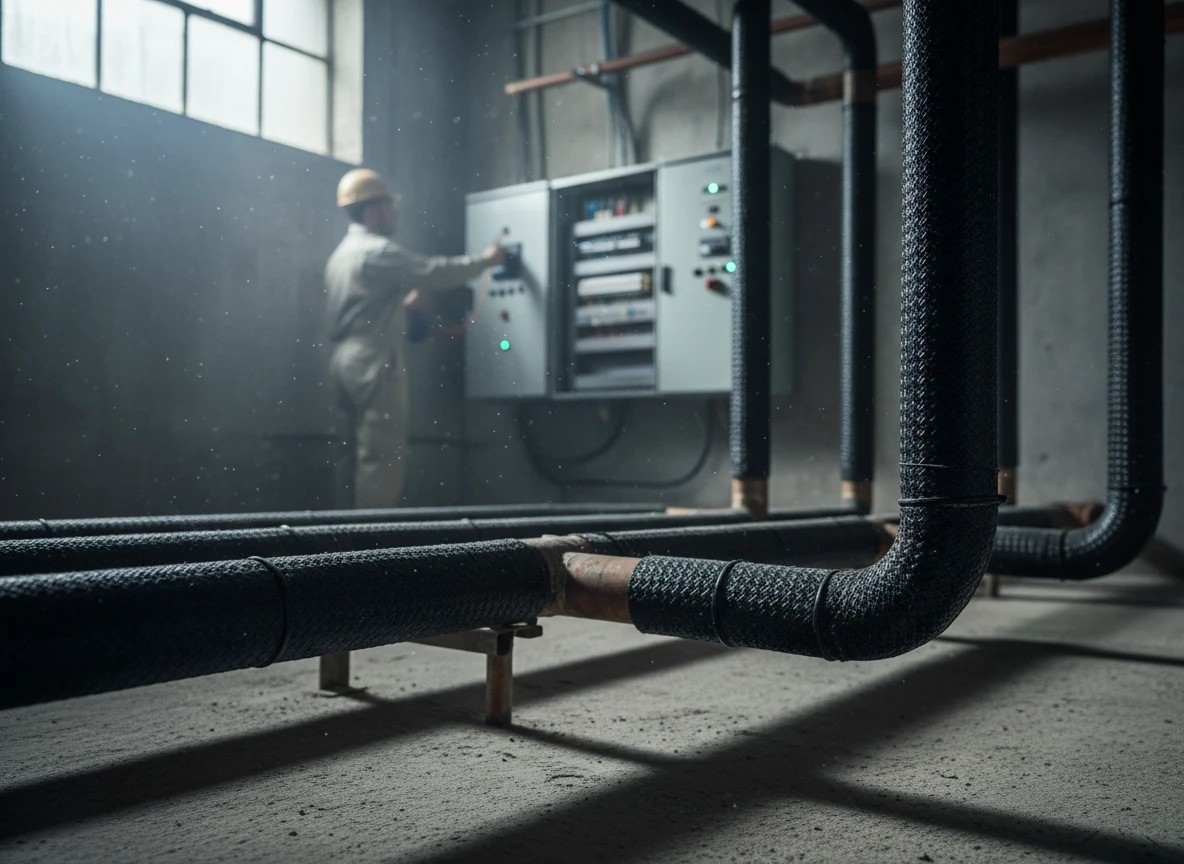
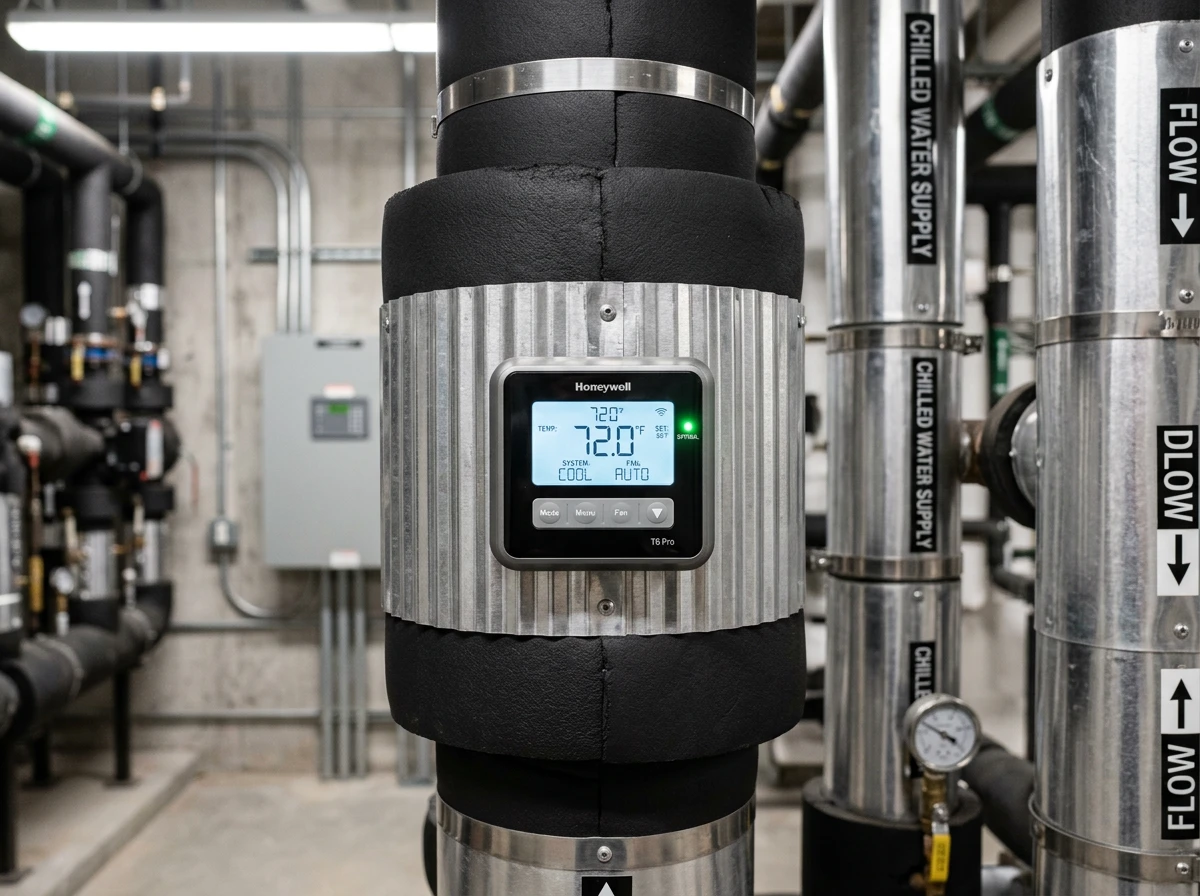
While controllers manage the electrical duty cycle, physical thermal retention is what actually secures your utility savings. If heat escapes immediately, even the smartest thermostat won't keep operating costs low. For reliable pipe freeze protection, we must treat the pipe and cable as a single thermal unit.
At Integro Process Heating Solutions, we advise using closed-cell elastomeric foam or rigid fiberglass. This insulation should have a minimum thickness of 1/2 inch, though 1 inch is safer for extreme sub-zero environments. This target thickness occasionally varies depending on local wind factors, but the baseline remains. Fiberglass tape must be wound at 12-inch intervals to keep the cable tight against the pipe wall before the insulation is slipped over.
Moisture's the primary enemy of any thermal barrier. Wet insulation conducts heat away from the pipe faster than bare metal. We prevent this by applying weather-resistant cladding and protective end seals at every termination point. This matches the engineering logic we apply to industrial drum heating jackets, where preventing heat leakage is mandatory for process control.
For a roof de icing cable, you can't wrap the heating element in foam, but physical management is still vital. Use heavy-duty, UV-stabilized roof clips instead of sharp metal ties that can pinch the self-regulating core. If you're protecting slab-on-grade pipes or planning underfloor heating systems, ensure there's high-density rigid insulation beneath the concrete slab to prevent thermal sinking into the cold earth.
Whether designing domestic and commercial heating networks or heavy industrial pipelines, the rule is simple. A controller tells the cable when to work, but proper insulation determines how hard it has to work.
Where most installations go completely off the rails
The reality of field failures
Even the best controllers and insulation can't save a bad installation. We see this constantly at Integro Process Heating Solutions. People simply don't understand how self-regulating systems actually work in complex commercial or domestic layouts. They aren't magic.
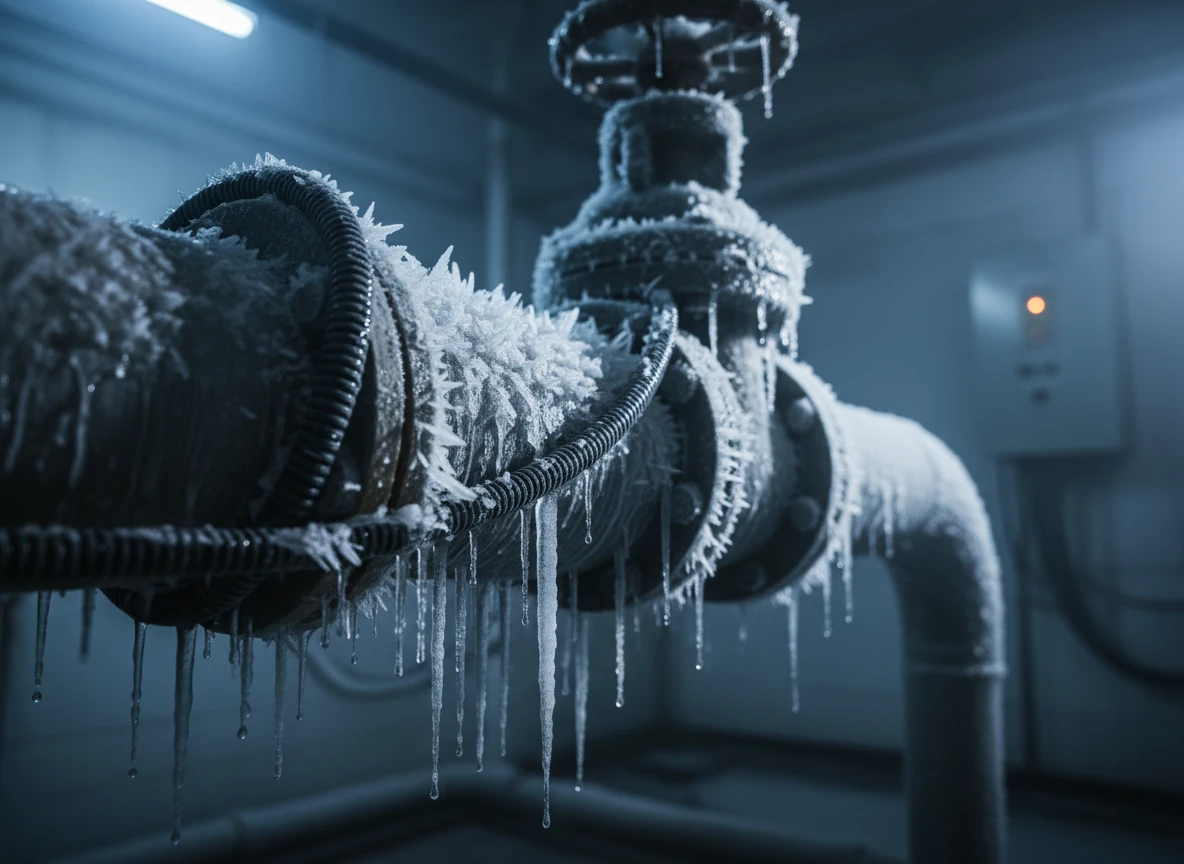
The single biggest blunder? Trying to use heat trace to thaw a pipe that's already frozen solid. That is a fundamental misunderstanding of the technology. Heat trace prevents freezing; it doesn't reverse it. If you try to melt ice blocks inside a metal or PVC pipe this way (and yes, people try this every single winter), it takes forever, wastes energy, and usually ends with a burst pipe before the ice even liquefies. Once the water freezes, the damage is done. You need a plumber, not a cable.
Then there's the physical layout. Installers frequently overlap the cables, assuming the self-regulating core makes them immune to overheating. It doesn't. Overlapping creates hot spots, degrades the polymer core, and ruins the cable years ahead of its time. It's one of the most common installation screw-ups we see in industrial environments. If you need to heat vessels or drums, stop wrapping trace cable around them haphazardly. Use flexible heating jackets instead. You'll get actual thermal transfer without destroying your equipment.
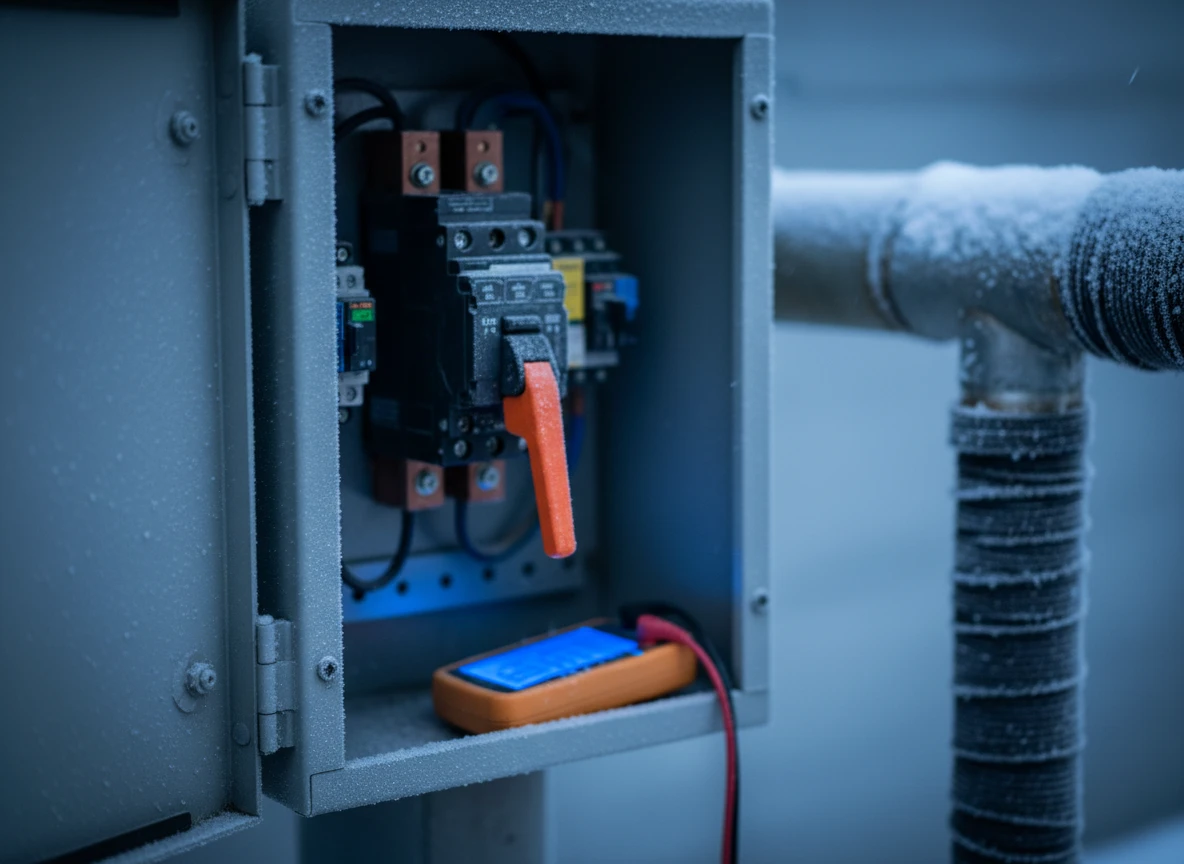
Ignoring Ground Fault Circuit Interrupter (GFCI) monitoring is another disaster waiting to happen. National electrical codes mandate GFCI protection for these cables. But standard breakers trip, and if you don't have an alarm or monitoring system hooked up, you won't know the system is dead until the pipes freeze. That isn't a cable failure. It's bad design.
Finally, stop using cheap metal wire ties to secure your cables. They slice right through the outer jacket and short the system. Use fiberglass tape instead. We engineer heavy-duty industrial thermal systems and advanced underfloor heating systems, but we can't bypass basic physics. If the cable doesn't make tight, direct contact with the pipe, the heat won't transfer. You're just paying to heat the air.
Stop paying for heat you don't actually need
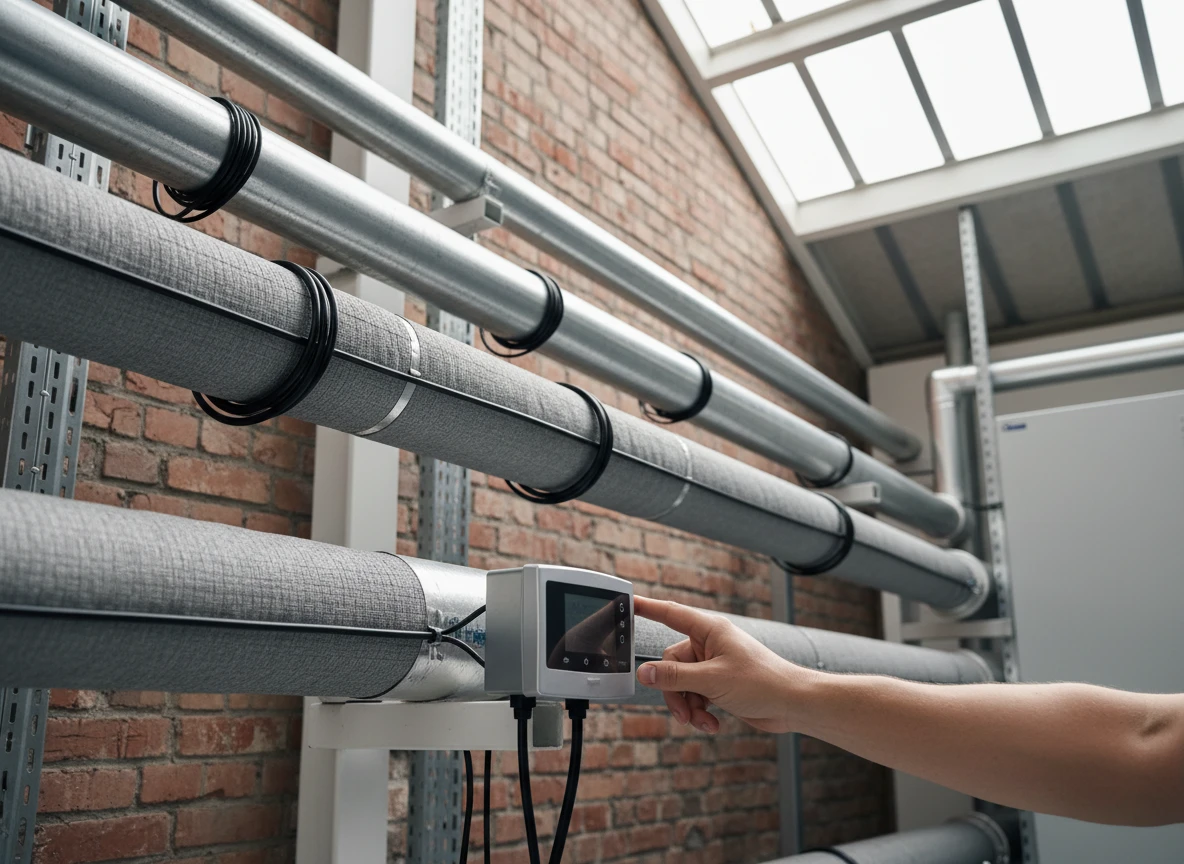
We've looked at the physical traps,the crossed wires, the unmonitored GFCI outlets, and the frozen pipes that shouldn't have been left to thaw. But the biggest trap of all is purely financial.
People often buy self regulating heat trace thinking the cable is smart enough to manage its own power bill. It isn't. The polymer core protects the pipe from melting, but it doesn't protect your operating budget. Without an external brain,like an ambient thermostat or a dedicated line-sensing controller,you're still paying for baseline electricity you don't actually need. The system is safe, yes, but it is far from optimized.
At Integro Process Heating Solutions, we design systems that prioritize actual thermal control over passive reliance on materials. Whether you're optimizing industrial pipelines or designing smart domestic and commercial heating systems, active control is what bridges the gap between basic freeze prevention and true radiant heating efficiency.
So, stop letting your cables idle through mild autumns and early springs. Take a walk to your electrical panel today, check your controller settings, and put a hard physical switch between your power grid and your heating elements. Your bottom line will thank you.
Tied to inefficient heating systems? Integro Process Heating Solutions designs custom industrial process heating and thermal controls that stop energy waste.
People also ask
Do self-regulating heat trace cables actually turn themselves completely off?
No, they don't. While the carbon polymer core reduces electrical draw as temperatures rise, it leaves a baseline current running continuously unless you hook it up to an external thermostat.
How much does unmanaged heat tape add to a winter utility bill?
It's pretty common for an unmanaged setup to quietly tack on $40 to $60 per hundred feet every single month it's left plugged in during freezing weather.
Can I use self-regulating heat tape to thaw an already frozen pipe?
Honestly, that's a bad move. These cables are built for proactive freeze protection, not thawing, and relying on them after a freeze can cause thermal damage or mask a cracked pipe.
Why is pipe insulation required if the cable is self-regulating?
Without proper insulation, heat bleeds off into the air instantly. That forces the cable to work twice as hard and stay locked in its high-power draw state.